
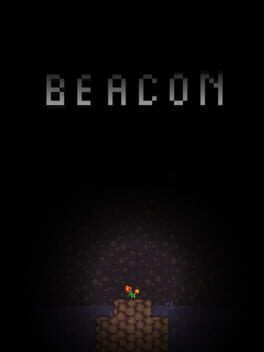

The Beacon’s first full season, Goblins’ Gambit, is now slated for May 2026. Here’s how its delay, risk-based dungeon runs, and economy and housing systems point toward a long-term live-service style future.
The Beacon’s Big Push To 2026
The Beacon is positioning itself as a free to play fantasy action roguelite with MMO flavor, and its first full season just got a major delay. Season 1, Goblins’ Gambit, has slipped to May 25, 2026, with a pre season event now targeted for February 24, 2026.
On paper that feels like a long wait for a game that already has public playtests, a strong community, and listings on Steam and Epic Games Store. Dig into the details though and it starts to look less like a stumble and more like a deliberate pivot toward long term live service longevity.
Goblins’ Gambit: A Different Kind Of Goblin Underground
Goblins’ Gambit is the first full scale season for The Beacon and sets the tone for what future updates could look like. The season is framed around the undercity beneath Dawnport, a frontier settlement founded after the Beacon’s light began to fade and the forces of Umbra pushed civilization outward.
Beneath Dawnport lies a goblin ruled realm that is less grimdark horde and more eccentric underground society. These goblins shape the dungeon tilesets, enemies, and upgrade options players see during each run. Each descent is built around unique map layouts, themed foes, and seasonal twists on modifiers and rewards.
The update is planned to introduce new biomes, a refreshed loot system, and expanded dungeon mechanics that tie more directly into the game’s economy. Umbra Shards, in particular, are positioned as the season’s lifeblood, flowing from risky dungeon expeditions into everything from trading to high stakes activities like the Lucky Kraken.
Roguelite Action RPG At Its Core
Underneath the seasonal theming is a fairly pure action roguelite loop. The Beacon plays from a top down perspective, with real time combat that leans on timing, dodging, and understanding weapon patterns. Runs are short and focused, but they link together through meta progression and social systems.
Each dungeon dive is procedurally regenerated when you enter. Room layouts, enemy compositions, and upgrade choices change every time, giving each run a slightly different tempo. One attempt might lean heavily on ranged threats and environmental hazards, while the next pushes you into tight melee corridors with elite enemies and minibosses.
The game supports solo play and co op, and that distinction matters. In solo runs you are fully responsible for reading attack telegraphs, juggling cooldowns, and deciding how much risk to take on in later floors. In co op, team composition and coordination start to resemble a lightweight MMO dungeon, especially once modifiers and elites stack up.
Risk Based Dungeon Runs, Not Just Difficulty Sliders
Where The Beacon tries to stand out is in how it bakes risk directly into progression. Rather than just selecting a difficulty mode, you choose how hard you want to gamble with each run.
Deeper floors, optional challenge rooms, and specific dungeon modifiers directly increase both your threat level and your reward potential. Some of these risks are structural, like choosing a route that spawns more elites or environmental hazards. Others are economic, like staking more resources in exchange for buffed loot tables or higher Umbra Shard payouts.
If you push too far and wipe, a chunk of your potential gains evaporates. The design encourages constant decision making: cash out now to secure a safe haul for your home and settlement, or press deeper for a shot at rarer drops and higher shard yields. That tension is what gives roguelites their staying power, and Goblins’ Gambit is being tuned to sharpen that edge.
Umbra Shards, Lucky Kraken, And A Layered Economy
Umbra Shards sit at the heart of The Beacon’s in game economy. You earn them primarily from dungeon runs, but what you do with them is where the long term game lives.
Standard uses include trading for gear, consumables, and progression items, but Goblins’ Gambit highlights risk leaning systems such as the Lucky Kraken. This is described as a high stakes in game activity that lets players wager shards for a chance at outsized rewards. It effectively turns endgame currency into a controlled gambling mechanic that mirrors the risk profile of dungeon runs outside the dungeon itself.
On top of that, The Beacon layers in MMO style meta systems like settlements and player homes. The town of Dawnport is more than a backdrop. It is a social hub where players show off cosmetics, coordinate runs, and invest their earnings into upgrades that persist across sessions.
The economic structure seems deliberately tuned so that dungeon runs feed the broader world. Shards flow from combat to crafting, housing, and vanity. The more the developers expand this loop, the more the game starts to look like a live service platform rather than a traditional boxed roguelite.
Housing And Settlement Progression As The Long Game
Player housing is one of The Beacon’s most important differentiators. Instead of treating your base as a menu or static campfire, the game offers a customizable home space inside a living settlement. You decorate interiors, display trophies and cosmetics, and eventually unlock functional upgrades that tie back into your dungeon runs.
Dawnport itself acts as a shared settlement with MMO style social features. You hang out in hubs, see other players’ builds, and use communal services. Over time, seasonal updates like Goblins’ Gambit are expected to add new NPCs, story hooks, and building options, slowly transforming the town across years rather than weeks.
That has two major implications. First, it gives the developers a persistent canvas to iterate on, where seasonal content physically changes the world. Second, it creates a long term attachment loop. Players who invest in housing, collections, and settlement progress are less likely to bounce off after a few good runs. This is classic live service thinking applied to a roguelite shell.
Why Delay Season 1 To May 2026?
The official reasons for pushing Goblins’ Gambit to May 25, 2026 line up with what you would expect from a systems heavy online game. The team wants more time to stabilize core gameplay, refine the economy, and ensure the tech stack can handle future expansions.
The Beacon has already run public events and playtests, from dungeon trials to speedrun tournaments. Feedback from those sessions highlighted where combat pacing, drop rates, and meta progression needed tuning. Scaling that feedback up to an always on seasonal model is not trivial. Once Season 1 goes live, rolling back broken systems becomes nearly impossible without upsetting an invested player base.
Framed that way, the delay looks less like simple slippage and more like a strategic choice. The team is essentially saying that Season 1 is the foundation for everything that comes after. If the risk based dungeons, shard economy, and housing progression are not rock solid on day one, the whole live service vision wobbles.
Is The Beacon Building A Live Service Roguelite?
Everything about the 2026 pivot points toward a long view. A fixed seasonal structure, MMO style hubs, persistent housing, and a currency driven economy are classic hallmarks of live service design. The delay reinforces that the studio is treating Goblins’ Gambit not as a content drop, but as the first step of a multi year service roadmap.
At the same time, The Beacon is trying to avoid the bloat that has burned out players in some larger service games. The core remains a tight action roguelite loop. You clear dungeons, chase builds, and bring loot home. The meta systems are there to deepen that loop, not to drown it under checklists.
Whether that balance holds will depend on execution in 2026. If the economy feels fair and housing progression meaningfully rewards your time, The Beacon could carve out a niche as a long tail co op roguelite that lives for years. If the risk systems skew too far toward grind or high stakes gambling, the live service frame could push players away.
For now, the delay signals intent. The Beacon is not just targeting a strong launch window on Steam and Epic. It is aiming to be the kind of game you return to season after season, checking in on Dawnport, rolling new builds through goblin crafted dungeons, and watching the Beacon’s light slowly push back the dark.