
How the 52nd Maximus Cup uses a Super Mario Galaxy 1 and 2 crossover to keep Tetris 99 fresh for Switch owners years after launch.
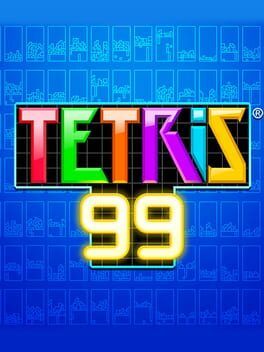
Tetris 99 is about to feel a lot more cosmic. Nintendo’s battle royale puzzler is lining up its 52nd Maximus Cup, and this time the reward for dedicated players is a new theme inspired by both Super Mario Galaxy and Super Mario Galaxy 2.
Event timing and how long you have to play
The 52nd Maximus Cup runs over a single weekend, which has become the standard cadence for these events. Nintendo is giving players a compact, binge friendly window that encourages people to log in and grind out matches.
For this cup, the schedule is:
Starts: Friday, April 3 at 12:00 a.m. PT / 3:00 a.m. ET
Ends: Monday, April 6 at 11:59 p.m. PT / Tuesday, April 7 at 2:59 a.m. ET
In practice, that gives you just about four days to hop on, rack up points, and claim the Galaxy themed reward. The tight timing is deliberate. Nintendo wants the event to feel like an appointment for Switch owners instead of a background feature that can be done “whenever.” It also concentrates the player base, which makes finding matches faster and keeps the 99 player lobbies feeling lively even this far into the game’s life.
How to unlock the Super Mario Galaxy 1 and 2 theme
As with previous Maximus Cups, the rules are simple. Play the standard Tetris 99 mode online during the event and earn event points based on how high you place in each match. Better placements are worth more points, so consistent top 20 runs will get you there much faster than early knockouts.
Once you accumulate a total of 100 event points during the event window, the Super Mario Galaxy 1 and 2 collaborative theme is permanently added to your collection. That means themed background art, music pulled from the Galaxy games, and customized Tetrimino designs that visually tie the whole thing together.
There is no need to win a match or rank on a global leaderboard. The structure is designed so that almost anyone who plays a reasonable amount across the weekend can secure the reward, while still making high skill play feel like it pays off through faster progress.
Why the Super Mario Galaxy crossover is a smart nostalgia play
Nintendo has plenty of Mario games to draw from, so choosing Galaxy 1 and 2 for the 52nd Maximus Cup is not random. These Wii era platformers occupy a specific nostalgic sweet spot for today’s Switch audience.
Players who were kids or teenagers when Super Mario Galaxy released in 2007 and its sequel in 2010 are now adults with disposable income and a long relationship with Nintendo hardware. Many of them already own a Switch and subscribe to Nintendo Switch Online, which is required for Tetris 99. A Galaxy crossover speaks directly to that group, tapping into memories of orchestrated soundtracks, gravity twisting level design, and the thrill of hopping between tiny planetoids.
The choice to combine both Galaxy titles into one theme also gives it broader appeal. Rather than focusing on a single game logo or one specific setting, Nintendo can mix iconic imagery and music cues from across the two adventures. That makes the theme feel more like a Galaxy celebration than a simple one game tie in.
This is very much in line with how Nintendo treats its legacy catalog on Switch. The company knows nostalgia is one of its strongest tools for keeping players engaged, and Tetris 99 has quietly become a showcase for that strategy through its rotating event themes.
How Maximus Cups keep Tetris 99 relevant years after launch
Tetris 99 launched back in early 2019 as a surprise perk for Nintendo Switch Online subscribers. On paper, a minimalist puzzle battle royale should have struggled to hold attention next to big releases crowding the eShop. Instead, Maximus Cup events like this Galaxy crossover have turned the game into a long term fixture.
There are a few reasons this structure works so well.
First, the events are regular but not constant. Numbered cups roll out throughout the year, sometimes to highlight a brand new Switch release, other times to revive a fan favorite series or offer “second chance” runs for older themes. That rhythm turns each cup into a mini season, with a clear reason to come back for a few days even if you have not touched Tetris 99 in months.
Second, the rewards change how the game feels. Themes in Tetris 99 are not just menu icons. They reskin the background, swap in new music tracks, and alter the look of the blocks themselves. Playing several back to back matches while the Galaxy orchestral score swells in the background makes the game feel different from the default presentation, even though the core rules are identical. That sensory refresh is a low cost but high impact way to make an old game feel new.
Third, Maximus Cups slot neatly into Nintendo’s broader ecosystem. Because the game is tied to Nintendo Switch Online, every new cup is also a subtle ad for the subscription. Announcing a Galaxy event around MAR10 Day celebrations and alongside new Mario related promotions means the Tetris 99 event becomes one more touchpoint in a larger marketing plan, not just a standalone tournament.
The result is a game that still pops up in news cycles and social feeds years after its debut, purely because each new cup gives people something fresh to talk about.
Do crossover themes still drive engagement on Switch?
Looking at the pattern of reactions to Maximus Cups over the years, crossover themes very clearly continue to move the needle for Nintendo’s audience.
Whenever a new collaboration is announced whether it is Kirby, F Zero 99, Super Mario Bros Wonder, or now Super Mario Galaxy social media threads and community posts fill up with the same talking points. Players who consider themselves lapsed will mention logging back in specifically so they do not miss a theme. Others proudly show off complete collections or worry about having to skip one because of a busy weekend.
That behavior is exactly what Nintendo wants. The themes themselves do not impact competitive balance and cannot be purchased directly, so they function less like aggressive monetization and more like event souvenirs. The fear of missing out is real, but the actual requirement to get the prize is relatively low, so players rarely feel punished.
Crucially, the choice of crossover partners matters. A generic new color palette would not have the same pull. Tying the 52nd Maximus Cup to Galaxy 1 and 2 creates a clear reason for Super Mario fans to care, especially after recent renewed interest in classic 3D Mario adventures and ongoing Mario activity across movies and merchandise. It turns the event into a small, time limited piece of Mario history tucked inside a puzzle game many Switch owners already have access to.
Why this approach still works for Nintendo
The Galaxy themed 52nd Maximus Cup underlines how efficient Nintendo’s live support for Tetris 99 really is. The company does not have to overhaul mechanics or add new monetization layers to keep the game alive. Instead, it layers on carefully chosen aesthetic crossovers that celebrate its own catalog.
For Nintendo, that keeps Tetris 99 in circulating conversation among Switch owners, reinforces the value of Nintendo Switch Online, and gives long time fans one more way to revisit beloved series in a new context. For players, it is an excuse to reinstall a five year old puzzler, chase a 100 point goal across a weekend, and then keep a piece of Mario Galaxy history sitting in their theme list for as long as they have the game.
If you have been orbiting away from Tetris 99 for a while, the 52nd Maximus Cup is a strong reason to fall back into its gravity for a few days.