
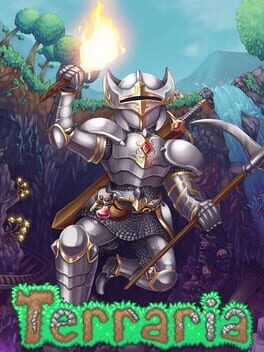
A deep dive into Terraria’s massive 1.4.5 Bigger and Boulder update for lapsed players, covering the Palworld and Dead Cells crossovers, new boulder mechanics, whips and summoner gear, and how it fits into Re-Logic’s long tradition of “final” updates that never quite end.
Terraria’s “small crossover patch” that became a monster
If you last played Terraria around Journey’s End or Labor of Love and heard 1.4.5 was just a cute Dead Cells crossover, you are several timelines behind. Bigger and Boulder is the result of three years of feature creep, community feedback and Re-Logic once again refusing to let Terraria actually end.
What started as a collaboration pack is now a sweeping systems update with new combat toys for every class, a complete boulder rework, flashy crossovers with both Dead Cells and Palworld, UI and quality of life changes, and hundreds of items tucked into every corner of progression.
For returning players, this patch feels less like a minor epilogue and more like a “1.5” that respects your old saves but gives you real reasons to start fresh.
The Dead Cells crossover: roguelite brutality in 2D sandbox form
The original pitch for 1.4.5 was simple: bring Dead Cells content into Terraria. That idea survived and grew. If you like aggressive melee and build-defining tools, the Dead Cells pack is where you start.
Re-Logic has leaned into Dead Cells’ identity as a fast, evasive combat game. Terraria’s interpretation focuses on weapons and utility that reward positioning and rhythm rather than just raw stats. Expect to find things like a Flint-style melee weapon that hits hard up close, throwing tools reminiscent of The Killing Deck, and an emphasis on chaining hits and status effects to keep enemies under control.
The crossover is not isolated to a single late-game chest, either. Dead Cells gear is threaded across progression so it can actually shape a playthrough instead of being a novelty you try once on your overpowered endgame character.
On top of weapons, the crossover brings vanity and world flavor. Beheaded-themed cosmetics and Dead Cells-style flasks and decorations let you lean into the mashup visually. If you like roleplaying or themed bases, a Dead Cells wing of your fortress is now very achievable.
The Palworld crossover: Digtoise and the age of utility summons
Terraria’s earlier Palworld collab brought Terraria content into Palworld. Bigger and Boulder flips the arrow and pulls Palworld back into Terraria with a focus on utility and world interaction.
The headline addition is a Digtoise summon inspired by Palworld’s mining-focused creature design. In Terraria, this becomes a companion you can call to chew through blocks for you. It blurs the line between pet, minion and tool. Instead of just being a cosmetic follower, Digtoise impacts how you traverse and excavate your world.
For a returning player, this matters more than it sounds. Terraria’s midgame has always involved long mining sessions to chase ore, hearts and biome-specific materials. Digtoise is effectively a partial automation layer for that loop. It also has combat implications, since carving tunnels and opening pits on demand can change how you fight, kite bosses or redirect hostile mobs.
The Palworld content slots neatly into the summoner fantasy Overall 1.4.5 is very kind to summoner mains but even a classic melee or ranger build can use Digtoise as a way to make spelunking less of a grind.
Boulders reimagined: from meme traps to a real environmental system
Boulders used to be a punchline. They were the thing that dropped on your head in pre-Hardmode or that you wired above a doorway to prank a friend. Bigger and Boulder takes that old gag and turns it into a full feature set.
The update introduces new boulder types, boulder-themed tiles and even chests, and crucially wires them into the world’s weather and terrain. Thunderstorms can now trigger Boulder Rain and lightning strikes that interact with the environment. Instead of the sky being pure ambience, storms become a playable event you plan around.
In practice this does a few things for returning players:
First, surface exploration becomes livelier. Wandering around during bad weather is no longer just mood lighting. You might be dodging falling rocks, using them as incidental damage against enemies, or leveraging the chaos to clear areas.
Second, builders and trapmakers gain a fresh toolbox. Between new boulder blocks and interaction rules, you can create gauntlets that feel closer to 2D platformer stages or custom arena hazards that punish bosses in specific phases.
Third, it reinforces Terraria’s long-running trend of making the world itself a co-star in combat. From sand and liquids to traps and actuators, environmental manipulation has always been powerful if you invest in it. The boulder overhaul is another nudge in that direction, especially rewarding players who enjoy engineering as much as raw fighting.
New whips and summoner gear: the class finally grows up
If you bounced off summoner back when whips were first added, 1.4.5 is a strong reason to try again. Re-Logic clearly targeted the class in this patch, filling in progression gaps and leaning harder into biome identity.
The headline additions are multiple new biome-themed whips. Corruption now gets the Soulscourge, a thematic option that plays into that biome’s aesthetic and debuff patterns, while Crimson and Stardust receive their own counterparts. There is also a new Moon Lord whip, giving summoners a true capstone weapon that sits alongside the iconic endgame toys used by other classes.
Just as important is the spread of whips across the entire game. Instead of jumping from a handful of early options straight to a late-game outlier, there are many more rungs on the ladder. Pre-Hardmode now offers basic tools like the Slime Whip and Starcrash Whip, which arrive early enough to define how you approach bosses like the Eye of Cthulhu or Skeletron.
The practical effect is that a pure summoner playthrough feels viable and satisfying from the first nights rather than being a weird challenge run that only clicks halfway through Hardmode. Minion numbers, targeting and whip debuffs all benefit from having a tailored weapon at each stage.
If you have an old mage or ranger main and never committed to summoner, 1.4.5 is the patch where that experiment finally feels supported, not scuffed.
Early-game shakeups: new slimes, spears and toys for fresh worlds
Bigger and Boulder is not a “log in, check the new boss and log out” patch. A lot of design energy flows into the first few hours of a world, which is exactly where returning players often get their bearings.
New slime variants and slime-focused gear shift the texture of the starting experience. Items like the Slime Spear and other pre-Hardmode tools give you more meaningful choices right after landing in your spawn forest. The age-old routine of copper shortsword into basic bow no longer feels mandatory.
Combined with the revised weather, new critters and background flavor, those first nights hit differently. You will still recognize the rhythm of chopping trees and scrambling for shelter, but there are more spikes of surprise and more room to express a build identity before you ever hit the corruption or crimson.
For veterans who like to restart with friends when a big patch lands, this matters a lot. The shared journey from wood armor to your first boss kill feels fresher, not just “the same but with more stuff later.”
UI, crafting and quality of life: respecting your time
If you stopped keeping up after Journey’s End, you are in for a pleasant shock in the menus. 1.4.5 continues the trend of making Terraria friendlier without flattening its depth.
The crafting UI gets more readable and more informative, with better organization and improved feedback on what you can make at any given station. Auto-sorting receives new icons, such as clearer coin indicators, which makes long-term storage slightly less of a chore.
These may sound small on paper, but anyone coming back to a big legacy world full of chests will feel the difference. Inventory friction has always been one of Terraria’s quiet enemies in long sessions. Every reduction in that friction makes it easier to jump into combat or building without half an hour of sorting first.
Character creation also benefits from more options and portraits. While it is not a systems game-changer, it contributes to the sense that your avatar actually belongs in this world of crossovers and late-era flourish.
How it fits into Terraria’s long history of “final” updates
If you have been tracking Terraria since its early days, you have lived through multiple finales. The 1.1 update was framed as a big conclusion. Then 1.3 arrived as a massive expansion that felt like the real endgame. Journey’s End literally rolled credits. Labor of Love carried the air of a celebratory epilogue.
Yet here we are with Bigger and Boulder.
What makes 1.4.5 interesting in that context is how comfortably it mixes “victory lap” energy with real mechanical ambition. Crossovers with Dead Cells and Palworld could have been pure fan service, but Re-Logic uses them to push on systems Terraria already had: roguelite-style aggressive melee, pet and summon utility, environmental hazards and build diversity.
There is still no hard confirmation that 1.4.5 is the last update, and in fact crossplay has been promised for after this patch, which all but guarantees more work on the codebase. At this point, the running joke that Terraria will never actually end has become part of its brand.
For returning players, that means you can safely treat Bigger and Boulder as both a capstone and a starting gun. If this is where you decide to revisit an old world or start the definitive expert-mode playthrough with friends, you are doing it at a moment when the game feels surprisingly contemporary for a 2011 release.
Should you come back for Bigger and Boulder?
If you loved Terraria’s combat and building but drifted away after feeling you had seen it all, 1.4.5 gives you multiple on-ramps back in.
You can treat the Dead Cells gear as an excuse to run a hyper-aggressive melee build and see just how far mobility and tempo can carry you. You can lean into the Palworld Digtoise and other summons for a more automated, tactical style of exploration. You can finally commit to a full summoner career with a whip at almost every tier. Or you can approach it as a systems sandbox, abusing new boulder mechanics and weather interactions to fill your world with deadly contraptions.
Most importantly, you do not need to follow a checklist to see the value. Bigger and Boulder is layered into the entire progression curve, meaning a fresh world will naturally surface new toys without you hunting for a single secret chest.
After fifteen years of updates that were allegedly “the last one,” Terraria still finds ways to feel new. For lapsed players, 1.4.5 is not just more content, it is a statement that the game you remember has grown alongside you. If there was ever a time to dig back in, this is it.