
A deep dive into Terraria 1.4.5’s Bigger and Boulder crossover content with Palworld and Dead Cells, what it adds, how to access it, and what it says about Re-Logic’s growing indie universe.
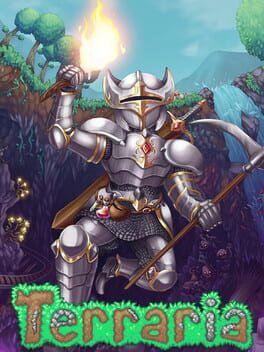
Terraria’s 1.4.5 “Bigger and Boulder” update is nominally about new boulders, furniture and late‑life polish, but the real headline is its pair of crossovers with Palworld and Dead Cells. More than a decade after launch, Terraria is still picking up new toys from some of the biggest modern indie hits, and this update folds them into the sandbox in ways that feel surprisingly native rather than tacked on.
This piece focuses specifically on what the Palworld and Dead Cells collaborations add, how to get your hands on the new gear, and why these crossovers feel like the natural evolution of Re‑Logic’s long‑running indie friendship tour.
What the Palworld crossover adds to Terraria 1.4.5
On paper, Terraria and Palworld already share DNA. Both are about survival, crafting and hoarding an absurd amount of loot while the world tries to kill you. The Palworld crossover leans into that overlap by bringing some of Palworld’s signature creature flavor into the 2D sandbox.
The 1.4.5 patch notes and publisher breakdowns confirm that the Palworld side of the update adds multiple Pals as summonable companions along with a themed vanity set. Even though the official notes keep the exact list fairly lean, the idea is clear. These are not just reskinned pets, they slot into Terraria’s familiar pet and minion ecosystem as collectible companions that sit comfortably alongside Slimes, Imps and all the other weird friends you can accrue.
Terraria’s design angle here is restraint. Rather than trying to recreate Palworld’s entire capture and base‑automation systems, Re‑Logic cherry‑picks recognisable silhouettes and folds them into existing summoning and cosmetic hooks. The result is a crossover that reads instantly to Palworld players without breaking Terraria’s progression or overwhelming its already dense crafting trees.
How to access the Palworld content
Once your game is updated to 1.4.5 on PC, console or mobile, the Palworld crossover is baked straight into standard worlds. There is no separate DLC purchase or event client.
You will need to generate or load a world in 1.4.5 so the new content can exist in the item pool. From there, Palworld‑inspired companions and cosmetics can be acquired in the same general ways as other pets and vanity pieces. That means exploring chests, engaging with appropriate NPC vendors, or tackling relevant progression milestones depending on where Re‑Logic has slotted each item in the loot tables. If you are returning to a long‑running save, expect to do a bit of fresh hunting rather than having the new items drop straight into your inventory.
The key point is that you do not have to opt into a separate Palworld mode. The crossover is treated as a first‑class part of Terraria’s normal sandbox, discoverable over time as you push deeper into your world.
What the Dead Cells crossover adds to Terraria 1.4.5
If the Palworld collaboration is about pets and presence, the Dead Cells crossover is pure mechanical fan service. Dead Cells is a kinetic, loot‑driven roguelite built around expressive weapons, and Terraria 1.4.5 borrows that identity wholesale then translates it into its own class system.
The Dead Cells package in Terraria includes new weapons, mobility tools, vanity and furniture that mirror some of Motion Twin’s most iconic gear.
Terraria’s 1.4.5 Dead Cells items include:
Flint turns up as a melee option reimagined for Terraria’s close‑quarters combat. It is built to feel like a Dead Cells weapon translated into 2D sandbox logic, with a chunky feel and satisfying impact when it connects.
Barrel Launcher brings an explosive ranged profile that fits neatly into Terraria’s late‑game arsenal. It channels Dead Cells’ love of big, chaotic projectiles but obeys Terraria’s rules for ammo and crafting, so it becomes another candidate in the eternal debate over which ranged weapon to build around.
Killing Deck riffs on the throwable card archetype from Dead Cells, landing somewhere between a ranged weapon and a novelty tool. In practice it is a stylish way to add some flair to your loadout without abandoning Terraria’s familiar rhythm of positioning and kiting.
Mushroom Staff arrives as a summoner weapon that calls in a Mushroom Boi minion. For summoner mains this is the crossover’s standout item, a new personality minion that feels straight out of Dead Cells but plugs directly into Terraria’s minion cap and buff ecosystem.
Barnacle appears as a sentry, giving builders another set‑and‑forget defense option that evokes Dead Cells’ turret play while still behaving like a proper Terraria stationary summon.
The Swarm rounds out the offensive side, bringing a rapid multi‑hit option that channels Dead Cells’ “shred the room” energy in a more controlled sandbox context.
On the utility and cosmetic side you can chase:
Ram Rune, which taps into Dead Cells’ environment‑breaking movement upgrades. In Terraria this becomes another mobility or utility tool you can weave into exploration builds.
Wings of the Crow, a vanity‑friendly flight option that lets you cosplay a Corvus‑inspired aerial silhouette while still benefiting from Terraria’s mature wings system.
A Beheaded vanity outfit so your character can dress up as Dead Cells’ mute hero, finishing the look with the same “hooded figure with a glowing head” vibe.
Hanging flasks and a Health Fountain as furniture, which visually echo Dead Cells’ alchemy aesthetic. They act like specialised display and healing‑themed props, slotting into the game’s already obsessive housing and decor metagame.
How to access the Dead Cells content
Like the Palworld crossover, the Dead Cells content is integrated into the base game as part of the 1.4.5 “Bigger and Boulder” patch. There is no separate purchase or limited‑time event to worry about.
To access it you simply update Terraria to version 1.4.5 and play on a 1.4.5 world. The new gear is distributed via familiar methods. Weapons and accessories are tied into progression tiers so they do not trivialise early content. That means you may find recipes gated behind specific ores, biome materials or boss drops, or you might acquire some pieces via chests and rare drops as you work through mid to late‑game.
Vanity pieces and furniture tend to be easier to get or are sold through NPCs once you meet certain conditions, keeping them accessible to players who just want to decorate or cosplay their build without regrinding the entire game.
The important bit is that Re‑Logic treats Dead Cells gear like any other equipment line. You are encouraged to experiment with it, swap it into your existing layouts and decide whether a Dead Cells weapon earns a slot over your usual blades, bows or staves.
Why these crossovers feel different for Terraria
Terraria has a long history of crossovers with fellow indies, from Don’t Starve to core Valve properties, but the 1.4.5 Palworld and Dead Cells collaborations land at a different moment in the game’s life. This is a project that has been called “finished” multiple times only to quietly roll out another massive update a year or two later. By now Re‑Logic is not just maintaining Terraria, it is curating it as a kind of living museum of indie action games.
The Dead Cells content is a natural continuation of the earlier crossover that brought Terraria items into Dead Cells. That original collaboration mostly lived on Motion Twin’s side, a cute nod that let Dead Cells players swing the Starfury or dress like the Guide. 1.4.5 finally completes the loop. Terraria now gets to import Dead Cells’ personality in equal measure, and it does so by embracing what makes that game sing weapon expression and snappy combat.
Palworld, by contrast, is a much newer phenomenon but a hugely visible one. Folding Palworld’s Pals into Terraria reads as a tacit recognition that the survival‑crafting space has moved on since 2011. Terraria is not trying to mimic Palworld’s monster‑catching factory sim, but it is willing to stand alongside it and share a bit of spotlight. In practice, these Pals join the long roster of crossover and in‑universe companions, a playful reminder that Terraria’s world is elastic enough to absorb newcomers.
More broadly, both crossovers show how confident Re‑Logic has become about blending other IP into its sandbox without losing its own identity. The new weapons still feel like Terraria weapons. The Pals behave like Terraria companions. The art and sound lean toward homage rather than direct copy, so even players who have never touched Palworld or Dead Cells just see a fresh batch of toys to chase.
For fans, 1.4.5 is less about a single must‑have item and more about a statement. Terraria is still watching the indie scene, still shaking hands with the games it respects and still willing to fold those handshakes back into a title that by all rights could have stopped growing years ago.
If “Journey’s End” was supposed to be closure, “Bigger and Boulder” and its Palworld and Dead Cells crossovers feel like the opposite. Terraria is not closing the book at all. It is leaving space on the shelf for whatever indie hit it falls in love with next.