
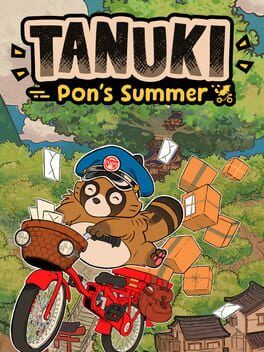

Denkiworks is pushing Tanuki: Pon’s Summer to 2026, using the time to expand its cozy tanuki mail sim with better navigation, a new island, and more side jobs that could help it stand out on Nintendo Switch’s indie platformer and mascot-style adventure lineup.
Tanuki: Pon’s Summer has quietly gone from a 2025 release window to a 2026 target, but this is not the story of a troubled game slipping away. Instead, it is a small team choosing to stretch their summer just a bit longer so they can ship something that feels richer, clearer, and more welcoming to explore on Nintendo Switch.
A lazy tanuki, a looming festival, and a shrine to save
Denkiworks’ cozy adventure follows Pon, a slightly lazy but well-meaning tanuki juggling a part-time job at the post office with a much bigger responsibility. The Tanuki Festival is just a month away, the local shrine is in rough shape, and it is up to Pon to deliver packages, help neighbors, and slowly pull the town together before summer fades.
Instead of a traditional high-stakes platformer about saving the world, Tanuki: Pon’s Summer leans into low-pressure tasks and neighborhood routines. You wander town streets, chat with residents, and take on errands that slowly tie back into restoring the shrine. The tone is relaxed and summery, closer to a slice-of-life manga than a standard mascot action game. The tanuki aesthetic and soft, colorful visuals give it that instantly readable character appeal that feels at home on Switch, but its structure is closer to a laid back life sim blended with light platforming and traversal.
Why Denkiworks is taking an extra year
In announcing the delay, Denkiworks framed the move as a tough but necessary decision. The team said they were thrilled by how warmly players received the early demo, yet that same feedback made it clear they could do more with a bit of extra time. Rather than lock in a 2025 launch with rough edges, they are aiming at 2026 with a longer list of improvements.
One of the biggest pushes is navigation. The town’s winding streets and multiple routes are meant to invite exploration, but getting around could feel disorienting. The team plans to add player-placed tags and a proper minimap so players can mark points of interest and keep their bearings with less friction. The goal is to keep the joy of wandering while reducing the moments where you are just lost.
Missions are also being reworked. Denkiworks wants objectives to be clearer and more flexible, so the plan is to improve mission markers and let players tackle jobs in the order that fits their mood. That means fewer bottlenecks where one unclear task blocks progress and more freedom to bounce between deliveries, shrine work, and offbeat side activities.
The delay is not just polish. It is also letting Tanuki: Pon’s Summer grow in scope, most notably with a whole new town across the bay.
A second town and a bigger summer
The extra development time is going toward adding a separate island across the water, linked to the starting town but distinct in terrain and vibe. Where the original area is more relaxed and flat, this new island is described as rocky and mountainous, almost like a BMX playground built for Pon’s traversal.
New residents will bring fresh jobs and stories, expanding the social side of the game. Expect more delivery routes, local problems to solve, and characters that tie into the broader festival preparations and shrine restoration.
Denkiworks is also layering in additional jobs and hobbies to fill Pon’s days. One thread the team has highlighted is the shrine itself. Players will help repair and finance a large shrine that anchors the festival, which means learning practical skills like stone masonry and handling heavy machinery as part of the story. Those tasks keep the game grounded in physical, hand-made work instead of pure fantasy heroics.
On the more relaxing side, Pon can unwind with bug-catching, journaling, and fishing. Chasing stag beetles and butterflies, scribbling down thoughts, and trying to land bigger, trickier fish are the kind of low-key activities that can stretch a short main story into a summer that feels lived-in. All of that content benefits from an extra year of planning and iteration.
How it fits into Switch’s indie platformer and mascot adventure scene
Nintendo Switch has quietly become one of the friendliest homes for small, character-driven platformers and mascot adventures. Games like Mail Time, Mail Mole, Poi, Frogun, Toree, and the many 3D collectathons and “cute courier” experiments filling the eShop have carved out a niche that sits between precision platformers and full-scale 3D Mario releases.
Tanuki: Pon’s Summer is poised to slot neatly into that space while doing something slightly different. Rather than centering on demanding jumps or pure collectathon structure, it leans into mail delivery, light traversal, and a strong sense of daily routine. Its tanuki hero makes it visually distinct from the usual cats, frogs, and birds, anchoring the game in a very specific cultural and seasonal setting built around a summer festival.
That focus on festival prep and town stewardship gives it a tone closer to a cozy adventure like A Short Hike or mail-delivery titles such as Lake and Mail Time, but with more of a mascot-style, character-forward presentation. On Switch, where players are used to dropping into short, feel-good sessions, the mix of quick delivery runs, exploratory rides around town, and end-of-day wind-down activities could fit neatly between bigger releases.
By bumping the release to 2026, Denkiworks also avoids getting lost in an increasingly crowded indie calendar. If the team delivers on its promises of better navigation, clearer missions, and a richer world with the new island, Tanuki: Pon’s Summer could arrive as a more confident, fully formed entry in the Switch’s long-running wave of colorful indie adventures rather than just another cozy curiosity.
Looking ahead to a longer, better summer
Delays are rarely fun for fans, but Tanuki: Pon’s Summer is using the extra time in ways that are easy to understand. The core of the experience remains the same. You are still a laid back tanuki juggling post office shifts, festival prep, and neighbors in need as the end-of-summer deadline slowly approaches.
The difference, if everything goes to plan, will be how much smoother and fuller that summer feels in 2026. More navigation tools should make exploration friendlier. Mission flexibility should keep you from getting stuck. The new island and its residents promise a second wave of stories and routes just across the bay. And the expanded set of jobs and hobbies should help Pon’s world feel bigger without losing its cozy, local charm.
On a platform that has become a home for inventive indie platformers and mascot-style adventures, that kind of focused delay could be what turns Tanuki: Pon’s Summer from a promising demo into a standout Switch adventure when it finally arrives.