
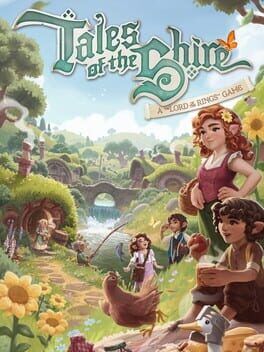
Breaking down what Tales of the Shire’s free Switch 2 Edition is likely to fix over the original Switch release, how patches have already changed the game, and whether the upgrade can finally match the cozy promise of life in Bywater.
Tales of the Shire did exactly what many Tolkien fans had dreamed of: it let you settle down as a Hobbit in Bywater, grow your garden, fiddle with your pantry and invite neighbors over for slow, comforting dinners. On Nintendo Switch, though, that dream arrived with a nasty dose of reality. Blurry visuals, unstable performance and a glacial early game tipped the cozy balance a little too far.
Now a dedicated Nintendo Switch 2 Edition is arriving on March 25, 2026 as a free upgrade for existing Switch owners. For a game that has already been gradually reshaped by patches, this is effectively Tales of the Shire’s second chance on Nintendo hardware.
What the Switch 2 Edition Actually Promises
Both Nintendo Life and Nintendo Everything confirm the basics. Tales of the Shire: A The Lord of the Rings Game is getting a native Nintendo Switch 2 Edition, not just a compatibility bump. It launches March 25, 2026, and if you already own the original Switch version the new edition is a free upgrade.
The publishers have not laid out a bulletpoint feature list for the Switch 2 build, but the language around a specific “Edition” rather than a simple patch all but guarantees dedicated technical improvements on the newer hardware. Given how hard the launch Switch version struggled, that alone will matter more than any new content.
How Rough The Original Switch Version Really Was
To understand why the Switch 2 Edition matters, you have to look back at the launch on the first Switch.
The original release quickly picked up a reputation as one of the worst technical versions of the game. Players reported soft, smeared visuals, aggressive dynamic resolution, inconsistent frame pacing and frequent stutters while moving around Bywater. Camera motion and low frame rates combined to give some players motion sickness. Longer play sessions exposed crashes and save instability, and some reviewers even noted near-absent music on Switch compared to other platforms.
All of that undermined what the game actually did well. Under the technical issues was a laid back loop of gathering, decorating and cooking that worked nicely on PC and the more powerful consoles but just felt compromised on Nintendo’s older hardware.
What Has Changed Through Patches So Far
Since launch, Wētā Workshop has steadily chipped away at those issues with post release updates across all platforms, including Switch.
Early patches focused on stability and progression bugs. Save file handling on Switch was tightened up so long term Bywater homesteads were less likely to be corrupted or lost. Crashes tied to specific quests and loading transitions were addressed. Certain forageables in later years became easier to find, and spawn rates for hard to locate items like Butterfly Cups were raised. Some UI annoyances, such as scrolling problems in the pantry list and shared meal location menus, were straightened out.
Later updates looked more like quality of life tuning. Quest triggers became more reliable, inventory interactions were cleaned up, and garden and foraging balance was adjusted so players hit key milestones a little faster. On other platforms, patches also hit small visual hitches and shader stutter.
Crucially, though, the base Switch hardware remained the bottleneck. The patches made Tales of the Shire more stable and smoother to live with, but they could not fundamentally change how low resolution and unstable it could look and feel in busy areas. Complaints around softness, pop in and the sensation that Bywater was running on fumes never entirely went away.
Expected Technical Upgrades On Switch 2
A native Switch 2 Edition finally gives Wētā Workshop the headroom the original port never had. While the developers have not publicly detailed specs yet, the combination of the trailer footage, cross platform comparisons and the way other games have treated their Switch 2 editions lets us make some grounded expectations.
On resolution, the game should be able to aim for a much cleaner image both docked and portable. Where the original Switch was frequently dropping resolution to keep up, Switch 2’s stronger hardware should allow higher native resolutions with less aggressive dynamic scaling. Textures on clothing, wooden beams, foliage and food should hold together far better on a big TV.
Performance is likely to be the other major pillar. Tales of the Shire is not an action game, but the constant stutters and irregular frame pacing on Switch were immersion breaking. A locked or near locked 60 frames per second target is not unrealistic on Switch 2 for this style of life sim. Even a solid 30 with consistent pacing and fewer drops would drastically reduce the motion sickness some players reported.
Loading is another area where players can reasonably expect a step up. Moving between interior and exterior spaces, especially hopping in and out of your Hobbit Hole, is central to the loop. Faster I O on Switch 2 should trim those transitions so the rhythm of pottering around the village feels more natural. Shorter loads also encourage quick check ins and make the game a better fit for short portable sessions.
Beyond the obvious, Switch 2 editions of other games have quietly tackled things like shadow resolution, ambient occlusion and foliage density. Tales of the Shire could benefit from denser grass, more detailed tree canopies and richer lighting in Hobbit interiors, all without sacrificing the soft, storybook aesthetic. Even subtle improvements here would go a long way to making the Shire feel closer to the richly textured Middle earth fans picture when they hear “Bywater.”
Quality of Life Improvements Players Should Look For
Not every meaningful upgrade needs a spec sheet. For a slow life sim like Tales of the Shire, the most important Switch 2 changes could be in the feel and friction around everyday tasks.
Menu responsiveness on the first Switch version was serviceable but never snappy. Increased CPU and memory overhead give the developers more freedom to rework interface transitions, inventory management and cooking or crafting flows without worrying as much about hitching. Smoother scrolling through pantry items, faster tabbing between categories and snappier confirmation prompts make a real difference in a game where you are constantly diving into menus to assemble meals or redecorate your hole.
Camera control is another area ripe for subtle tweaks. Some players found the original camera sluggish and imprecise when navigating tighter interiors or gardens packed with furniture. A combination of higher frame rate, refined dead zones and possibly new control presets specific to Switch 2’s sticks and motion options could ease those frustrations.
Finally, there is room for better guidance and pacing in the early hours. Later patches already nudged resource availability and quest logic, but there is still criticism that the opening stretch can feel slow and under explained. While this is not strictly a hardware issue, a fresh platform launch is often treated as an excuse to ship a more refined onboarding flow, smarter quest timing and clearer signposting.
Can Switch 2 Fix The Visual Criticisms?
Visually, Tales of the Shire drew mixed reactions even on higher end platforms. Some players loved the stylized, toy like Hobbit designs and painterly backgrounds, while others found character faces and animation stiff. Those stylistic debates will not vanish on Switch 2; they are baked into the art direction.
What the Switch 2 Edition can absolutely fix is presentation quality. Cleaner resolution will better showcase the deliberate brushstroke textures and warm lighting the artists were actually going for. Improved foliage rendering and less pop in should make paths through Bywater feel more like a continuous, lived in village and less like a set of stitched together zones.
The hope is that on Switch 2 the visuals shift from “muddy and compromised” to “cozy and intentional.” Players comparing footage already notice that details like embroidered fabrics, tabletop clutter and garden decorations read more clearly when the game is not fighting to hold performance together. If Wētā uses the extra power to dial up subtle post processing, depth of field and bloom without overdoing it, the atmosphere can finally match the series’ reputation for rich, lived in environments.
Addressing The Pacing Problem
Pacing is trickier because it speaks to design rather than raw power. Reviews and community threads have criticized Tales of the Shire for a very slow burn, with early days that can feel directionless and repetitive before Bywater truly opens up. That can be charming if you are fully on board with “do almost nothing, very slowly” but frustrating for players coming from more structured life sims.
Patches to date have already made some progress here through better item distribution and refined quest triggers. Making key forageables more common in later years, for example, cuts down on aimless wandering. Fixing bugs that halted story progress also reduced the number of times players were left wondering what to do next.
A Switch 2 Edition is a rare opportunity to go further. Developers often bundle systemic tweaks into platform relaunches because they are already touching code and QA workflows. Smart changes Wētā could apply without breaking the game include slightly denser early game goals, clearer messaging about long term objectives and perhaps a few new optional tasks that draw players around Bywater more deliberately in the first few in game seasons.
The key is to respect the cozy fantasy. Tales of the Shire does not need high stakes quests. It needs subtly better rhythm: more reasons to talk to specific neighbors, earlier access to satisfying decoration tools and a steadier drip of new recipes and seeds. If those tweaks arrive alongside the Switch 2 Edition, they would address the pacing complaints more effectively than any frame rate bump.
Is The Free Upgrade Enough To Win Back Lapsed Hobbits?
For anyone who bounced off the original Switch version, the Switch 2 Edition is about trust as much as tech. A free upgrade is the right signal, acknowledging that early adopters bore the brunt of the rough launch. The patch history shows Wētā and Private Division did not abandon the game, steadily improving stability and smoothing out bugs on all platforms.
If the Switch 2 Edition delivers a significantly sharper image, stable performance and a smoother early game curve, Tales of the Shire on Nintendo’s new hardware could finally feel like the cozy Tolkien spin off it always wanted to be. The underlying fantasy of tending a Hobbit hole and sharing warm meals in Bywater is still appealing. It just needed hardware that could keep up and a bit more iteration on the design.
For now, the cautious recommendation is straightforward. If you already own Tales of the Shire on Switch and you are planning to grab a Switch 2, it is worth waiting to return to Bywater until the new edition drops. If you skipped the game entirely because of the launch technical drama, the Nintendo Switch 2 Edition looks like the version that has the best chance of finally doing right by the Shire.