
Bandai Namco’s 2026 action RPG revisits Aincrad with a darker tone, full character creation, and a single‑player focus that aims well beyond the usual SAO faithful.
Bandai Namco is bringing Sword Art Online back to where it all started with Sword Art Online: Echoes of Aincrad, a new single player action RPG launching July 10, 2026. Rather than another side story starring Kirito, Echoes of Aincrad is pitching itself as a fresh on ramp for lapsed fans and complete newcomers, built around character creation, a heavier take on the death game premise, and a structure that looks a lot closer to a modern, open ended action RPG than the series has ever managed on consoles.
A darker Aincrad that finally feels dangerous
Echoes of Aincrad goes back to the original tower of floating steel and fields, but the tone this time is bleak even by early SAO standards. The premise is the familiar one: log in, get trapped, and discover that dying in game means dying in real life. Where earlier adaptations often softened that hook with power fantasy pacing and a focus on Kirito mowing down bosses, Echoes leans into vulnerability.
Hands on reports describe early areas that feel hostile more than heroic. Mobs hit hard, mistakes stick, and the game plays up the sense that you are not a black coat savior cutting through fodder, but one fragile player among thousands just trying to clear another floor. NPC chatter and quest framing lean on survival, resource scarcity, and the psychology of people forced to live inside an MMO for months on end. It reads far closer to a grounded, late 2020s action RPG take on the setting instead of an anime victory lap.
That tonal shift matters because it frames everything else: progression, exploration, and even the way your custom hero fits into the cast. Rather than retelling Kirito’s story beat for beat, Echoes of Aincrad positions you alongside the original events, letting you brush up against familiar plotlines without being locked into them. The result feels more like inhabiting Aincrad than playing through a highlight reel of the show.
Building your own beater: full character creation
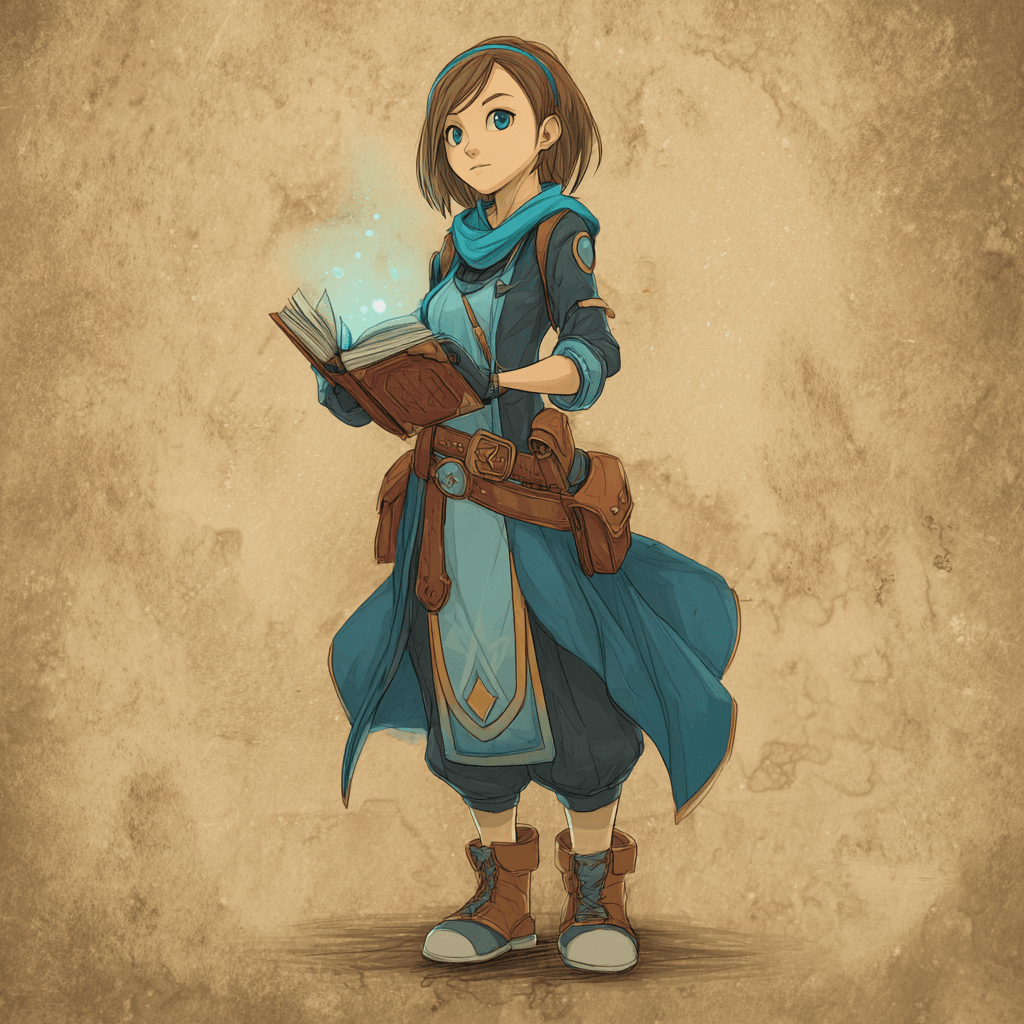
The biggest structural change from prior SAO games is immediate. You are not Kirito, and you are not swapping between a fixed anime party. Echoes of Aincrad starts with full character creation, letting you design your own trapped player and define their fighting style.
Earlier console entries such as Hollow Fragment, Lost Song and Alicization Lycoris flirted with player avatars or customization, but they always orbited tightly around Kirito’s perspective and sword style. Here, everything is framed around you. Visual options are closer to a mainstream RPG creator than an anime tie in, with enough sliders and presets to push away from the default black haired swordsman silhouette. More importantly, combat identity flows from build decisions. Weapon choice, stats and skills can fundamentally change how you approach every encounter.
Because the game is built around a blank slate protagonist, story events are written to react to a wide range of play styles instead of one canonical dual blade hero. NPC companions acknowledge your role in the group, and the narrative can treat you as anything from a cautious frontliner to an opportunistic support fighter. It is a subtle, but important step away from the power fantasy of being Kirito and into the fantasy of being one desperate player trapped in Kayaba’s experiment.
Slower, meaner combat tuned for counters
Echoes of Aincrad trades the series’ usual flashy, combo heavy output for something far more methodical. Footage and previews point to a combat rhythm that sits somewhere between traditional SAO games and lighter Soulslike sensibilities without fully crossing into punishing action.
Encounters revolve around learning enemy patterns, using guard, well timed dodges and a suite of reversal mechanics to turn attacks back on foes. Parries are not just a flourish. Nail the timing and you can open enemies up for partner follow ups, repositioning strikes or high damage finishers. Whiff and you are stuck in recovery while mobs crowd in.
Weapon archetypes add another layer of identity. A straight sword build feels snappy and reactive, while heavier arms put more pressure on positioning. Fast weapons can weave in and out to bait swings for counters, while slower ones rely on hard reads and armor to succeed. The key difference from past SAO titles is that input mashing no longer feels viable. Success in Echoes demands deliberate spacing, stamina awareness and respect for enemy movesets.
Taken together with the harsher presentation of Aincrad, combat sells the fantasy of a world where every fight could be your last. It is still approachable in a way a pure Soulslike is not, but it is a big step away from the floaty, forgiving action many associate with earlier SAO console games.
Companions as co fighters, not just fan service
Aincrad might be lethal, but you are not alone. Echoes of Aincrad lets you adventure with more than ten recruitable NPC partners, each with distinct roles and combat personalities. Instead of functioning as simple stat sticks or cutscene delivery devices, they behave more like co fighters you coordinate with.
During battle you can issue quick commands, setting up coordinated assaults, target focus or defensive maneuvers. Some allies specialize in drawing aggro so you can land counters, while others excel at capitalizing on your successful parries with their own follow up strikes. Preview builds show party members reacting to your actions contextually, chaining off guard breaks or diving in when you stagger a boss.
This approach serves double duty. For existing fans, familiar faces from the SAO cast still join the adventure, but they live within a more systemic combat sandbox instead of simply recreating anime scenes. For action RPG players coming in cold, party management and synergy offer an extra layer of mechanical depth on top of the one on one dueling.
Open, layered Aincrad floors instead of corridors
Structurally, Echoes of Aincrad moves the series closer to the broader action RPG pack. Rather than the mostly linear dungeon runs of earlier games, Aincrad’s floors are built as wide, interconnected environments that open up gradually over time.
Safe areas scattered across each floor serve as rest points and mapping anchors. Discovering them reveals chunks of the surrounding region on your map, encouraging you to push a little deeper before retreating to safety. Pathways branch and loop back, with environmental obstacles that only clear once you obtain specific traversal items or key quest rewards. Optional bosses and elite enemies roam the wilds, carrying rare loot and crafting materials for players willing to take the risk.
Progression feeds back into that loop. Enemies drop gear pieces and upgrade resources that feed into build crafting, giving you reasons to revisit earlier floors and tackle tougher variants. The design intent seems clear: Echoes wants Aincrad to feel like a stack of explorable, semi open biomes rather than a simple ladder of boss rooms.
It is a structure that will feel instantly familiar to anyone who has spent time with contemporary action RPGs on PS5, Xbox Series or PC, and that appears to be by design.
Platforms, editions and what Bandai Namco is signaling
Echoes of Aincrad is skipping last gen consoles entirely. Bandai Namco is bringing it to PlayStation 5, Xbox Series X|S and PC via Steam on July 10, 2026, positioning it alongside the rest of the mid decade action RPG field rather than as a late PS4 holdover.
The release will land in multiple editions. A Standard Edition covers the base game. A Deluxe tier adds extras such as early skill unlocks or cosmetic packs along with a season pass style bundle of future content drops. An Ultimate Edition further layers on premium cosmetics, digital soundtrack and artbook style bonuses, and an exclusive weapon pack for players who want a head start on Aincrad’s gear treadmill. Physical premium editions in some regions fold in steelbook cases or figure adjacent goodies in keeping with Bandai Namco’s usual collector strategy.
That lineup sends a clear message. Echoes of Aincrad is not just another modestly budgeted anime tie in priced to move quietly. It is being slotted into the same three tier structure Bandai Namco reserves for its more ambitious RPG pushes, complete with pre order incentives and cross platform parity out of the gate.
A repositioned Sword Art Online for 2026
Put all of this together and Echoes of Aincrad looks less like the next entry in a long running licensed series and more like a soft reboot aimed at a much broader audience.
Stepping away from Kirito as the default protagonist frees the game from years of accumulated continuity while preserving the core appeal of the Aincrad setup. The darker tone, slower combat and open ended structure bring it closer to what action RPG players expect on modern hardware. The focus on single player over MMO imitation, at least at launch, sends a signal too. Rather than chasing live service trends or leaning on nostalgia alone, Bandai Namco seems comfortable pitching Echoes as a self contained, story driven RPG that just happens to live inside one of anime’s biggest gaming worlds.
For long time SAO fans that may feel like a bold pivot. For everyone else, it might finally be the invitation into Aincrad that does not require having every light novel volume memorized. If Bandai Namco can stick the landing on narrative payoff and long term progression, Sword Art Online: Echoes of Aincrad has a real shot at reintroducing the brand as a contender in the 2026 action RPG landscape rather than a niche curiosity on the side.