
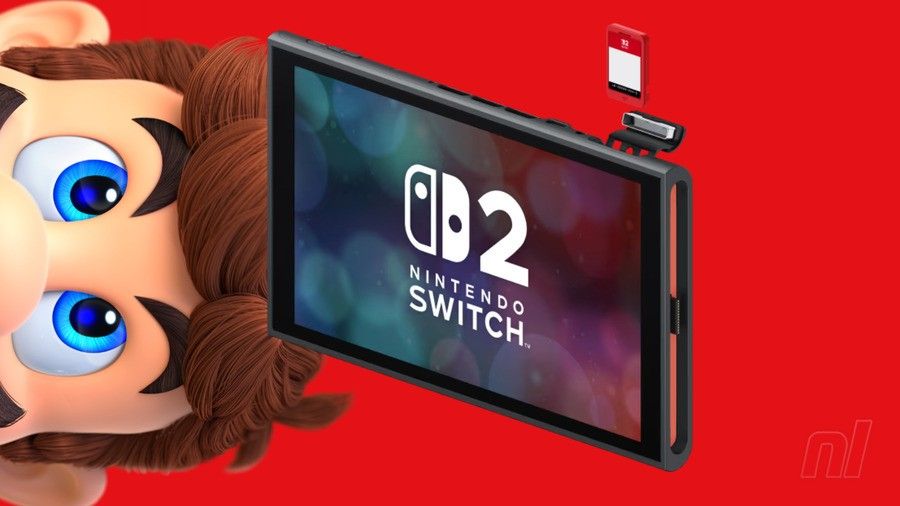

U.S. spending on Switch 2 game-key cards is up 631% in 2026, according to Circana, reshaping the physical games category and Nintendo’s retail playbook.
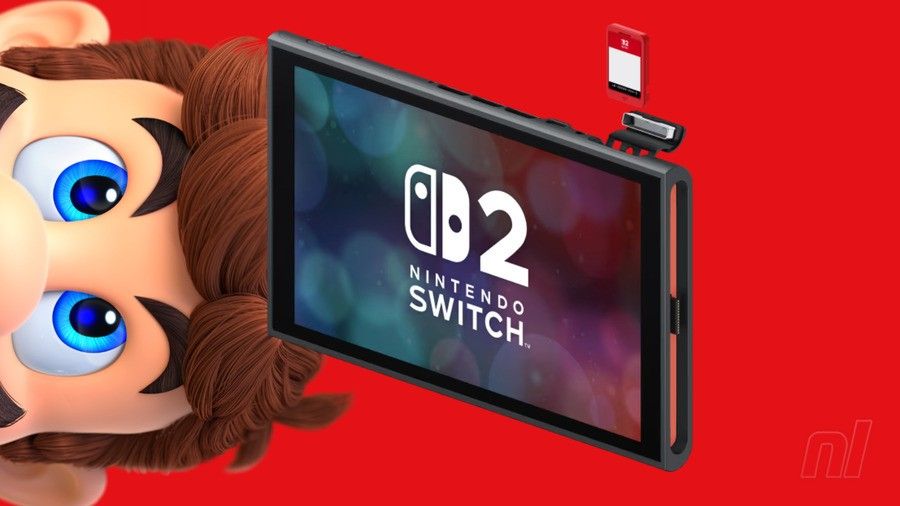
Image: nintendolife.com
A huge physical sales jump with a digital catch
U.S. spending on Switch 2 game-key cards has risen 631% so far in 2026, according to Circana analyst Mat Piscatella, a number large enough to change the direction of the entire new physical software category. Nintendo Everything, citing Circana’s latest report, says year-to-date spending on new physical software is up 5% year over year to $738 million, with game-key cards offsetting a 3% decline across all other new physical media types.
That is the tension inside the headline. Physical spending is rising, but the fastest-growing piece of that market is a format many collectors do not consider equivalent to a traditional cartridge. Nintendo Everything describes the distinction plainly: traditional cartridges include all game data, while Switch 2 game-key cards require players to download everything to the system before the title is playable.
So the story is not a simple revival of boxed games. It is a shift in what “physical” can mean at retail. Switch 2 game-key cards give publishers a shelf presence and give buyers a box and a transferable card, but they also move the actual game data away from the cartridge. The U.S. data suggests that, whatever the objections around preservation and ownership, the format is now contributing enough money to pull the broader physical category upward.
The 631% figure is about supply as much as demand
The cleanest explanation for the surge comes from Piscatella’s clarification to Kotaku. He said there were 10 titles published as game-key cards last year, while 54 more game-key card titles have been published this year. In his words, that is “the biggest reason” behind the increase.
That context matters because a 631% rise can sound like a sudden conversion of skeptical players. Circana’s data does show spending has climbed sharply, but the market being measured is also much larger than it was. More products on shelves create more opportunities for spending, and Switch 2 now has a deeper release slate using the format.
Kotaku also quoted Piscatella saying new physical software sales are showing growth “for the first time in more than a decade,” driven primarily by Switch 2 and publishers leaning into game-key cards. That places the increase in a strategic frame: the category is growing because the platform holder and publishers now have a hybrid retail format that fits modern file sizes, storefront habits, and boxed-game merchandising better than a pure cartridge approach for every release.
Some reports have referred to the stat as “sales,” but the Circana figure cited across Nintendo Life, Nintendo Everything, and Kotaku is spending. That distinction is important. Spending can rise because more titles are available, because higher-priced games are being bought, because a larger install base is active, or some combination of those factors. The provided data does not break the 631% figure into units, average price, or attach rate.
Big releases gave the format real weight at retail
The format’s 2026 growth also has a lineup story behind it. Nintendo Life points to Pokémon Pokopia, Elden Ring: Tarnished Edition, and Resident Evil Requiem as notable Switch 2 game-key card releases this year. My Nintendo News adds Final Fantasy VII: Rebirth to its list of major game-key card releases, while noting that it is not clear exactly why the spike is so large.
The most visible example in the Circana reporting is Elden Ring. Nintendo Life says Piscatella highlighted the Switch 2 release as helping Elden Ring jump from No. 41 in the charts to No. 7. Nintendo Everything similarly notes that Elden Ring was a new game-key card release during the period covered by Circana’s report ending in August and that it helped push the game into the top ten.
That is a useful case study because Elden Ring was not a niche test of a controversial format. It was a major, already-established game using Switch 2’s retail channel to re-enter the U.S. chart conversation. For publishers, that kind of result makes the game-key card less like a compromise hidden at the edge of the catalog and more like a viable relaunch tool.
There is still an unanswered question the available data cannot settle: how much of the spending reflects enthusiasm for the format itself versus enthusiasm for the games available through it. The evidence supports the safer reading. Players are buying game-key cards when desirable software is attached to them, especially now that far more of those releases exist.
Physical buyers are accepting tradeoffs, not erasing them
For buyers of Nintendo Switch 2 physical games, the practical tradeoff is straightforward. A game-key card is sold through physical retail, but according to Nintendo Everything, it does not contain the full game data in the way a traditional cartridge does. The buyer must download the game before playing.
That makes the format awkward for collectors who value a self-contained cartridge. It also changes the long-term preservation calculation, because the boxed item depends on a download rather than carrying the full playable software on the card. The source material does not provide Nintendo’s long-term server policy, resale rules, or offline redownload guarantees for these products, so those remain open questions rather than facts to assume away.
At the same time, the spending data shows that this concern is not stopping the market. Nintendo Life argues that consumers are not rejecting the format as strongly as some early reaction suggested. Nintendo Everything reaches a similar conclusion, saying the statistic proves consumers are not ignoring game-key cards.
The buyer logic is easy to understand even if the format remains divisive. A game-key card can still satisfy some habits associated with physical buying, including purchasing from retail stores and owning a boxed product. But anyone shopping specifically for a complete cartridge should check the packaging and listing language carefully before buying, because “physical” no longer guarantees that the full game is on the card.
Publishers get a lower-friction path to shelves
From a publisher strategy perspective, the sharp rise points to an economic lane that did not exist at this scale during the original Switch era. Circana’s data, as described by Kotaku, shows publishers leaning further into game-key cards in 2026, with 54 additional titles published in the format after only 10 the previous year.
The sources do not provide manufacturing costs, cartridge capacity limits, or margin data, so it would be speculation to pin the shift on one specific financial reason. What can be said is that publishers are choosing the format much more often, and the market is now rewarding those choices with measurable U.S. spending growth.
That matters for third-party support because game-key cards allow publishers to maintain a retail footprint for large games while using downloads for the software payload. My Nintendo News points to major releases such as Final Fantasy VII: Rebirth and Elden Ring: Tarnished Edition, the kind of games that can benefit from visibility at stores even when their file sizes and update pipelines look closer to modern digital distribution than old cartridge-era publishing.
For Nintendo, the retail strategy is equally clear from the data, even if Nintendo has not provided a statement in the supplied material. Switch 2 can keep boxed software relevant in U.S. sales charts while allowing a wider range of publishers to participate in physical retail. That helps explain how new physical software spending can rise at a time when all other physical media types tracked in the report are down 3%.
Switch 2 hardware momentum is the other half of the equation
Game-key card growth is easier to understand alongside Switch 2 hardware performance. Nintendo Life reports that Piscatella said Switch 2 led the U.S. hardware market in both unit and dollar sales for August and for 2026 year to date.
That does not prove every new Switch 2 owner is buying game-key cards, but it creates the conditions for the format to scale. A growing hardware base gives publishers a larger audience for boxed Switch 2 releases, while a broader game-key card catalog gives retailers more Switch 2 software to stock. The strategy feeds on itself: more hardware supports more retail software, and more visible retail software helps keep the platform present outside the eShop.
Kotaku’s broader Circana summary adds a useful contrast. Total spending for August was down 9% year over year to $4.3 billion, with declines in mobile and console content spending offset in part by PC content growth. Against that softer market backdrop, a rise in new physical software spending stands out. It is a category-level exception, and Circana attributes that exception largely to Switch 2 game-key cards.
The forward-looking question is whether this becomes the default retail model for larger Switch 2 releases or remains a parallel format used selectively. The 2026 data points toward greater publisher comfort, but the sources do not establish Nintendo’s long-term policy or whether consumer resistance among collectors will influence future packaging decisions.
How to read the surge before your next purchase
For shoppers, the main lesson is to stop treating Switch 2 physical games as a single category. A traditional cartridge and a game-key card can both sit on a store shelf, but they do not offer the same ownership experience. If having the full game on the card matters to you, verify the format before purchase rather than relying on the box being physical.
For publishers, Circana’s 2026 data is a signal that game-key card releases can sell in meaningful volume when paired with strong software. Elden Ring’s jump from No. 41 to No. 7 after its Switch 2 release is the clearest example in the supplied reporting, though it should be read as one high-profile case rather than a guarantee for every port or third-party launch.
For Nintendo’s retail strategy, the format gives Switch 2 a way to preserve shelf space while adapting to a market where full cartridges may not be the preferred route for every release. The risk is trust. If buyers feel the word “physical” is becoming too loose, Nintendo and publishers may need clearer labeling and messaging to avoid friction at the point of sale.
The 631% spending spike does not end the debate over Switch 2 game-key cards. It changes the debate’s center of gravity. The format is no longer a hypothetical controversy or a niche workaround. In the U.S. market tracked by Circana, it is now powerful enough to lift the physical software category while the rest of physical media declines.