
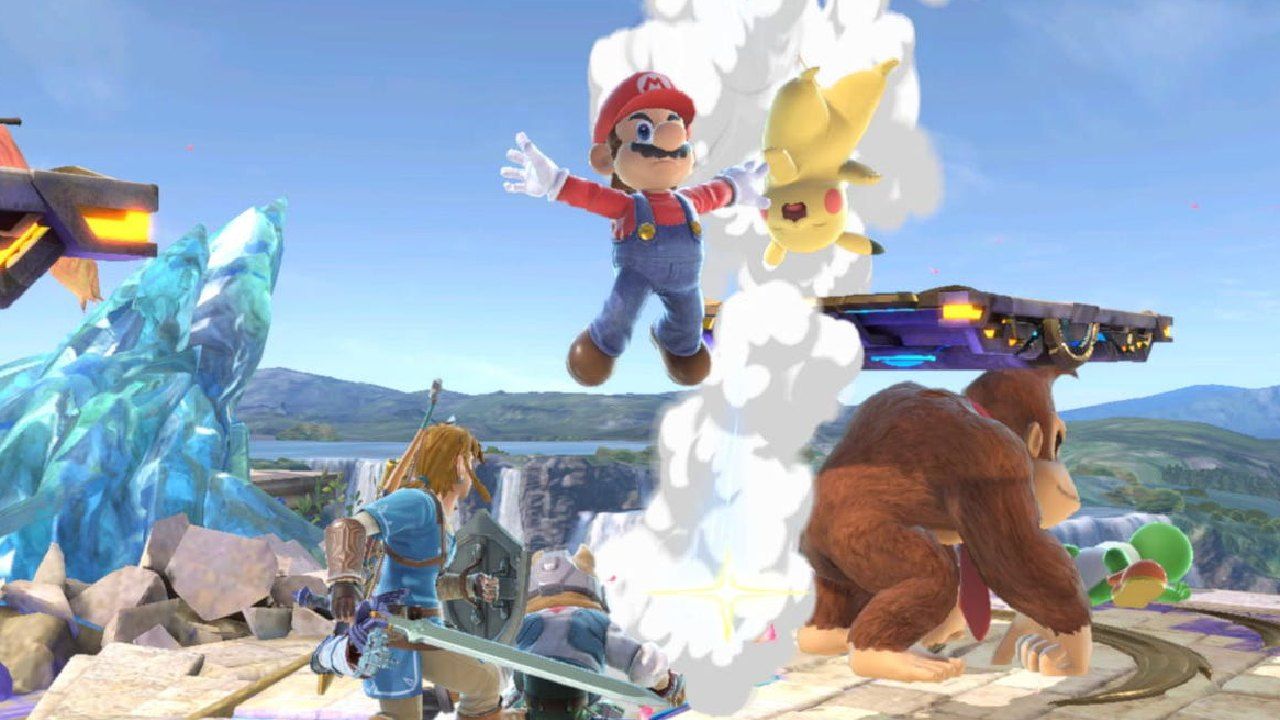

Unconfirmed Super Smash Bros Switch 2 reports have shifted attention toward next Smash Bros stages, with Bowser’s Castle and Area Zero showing what players want from new arenas.
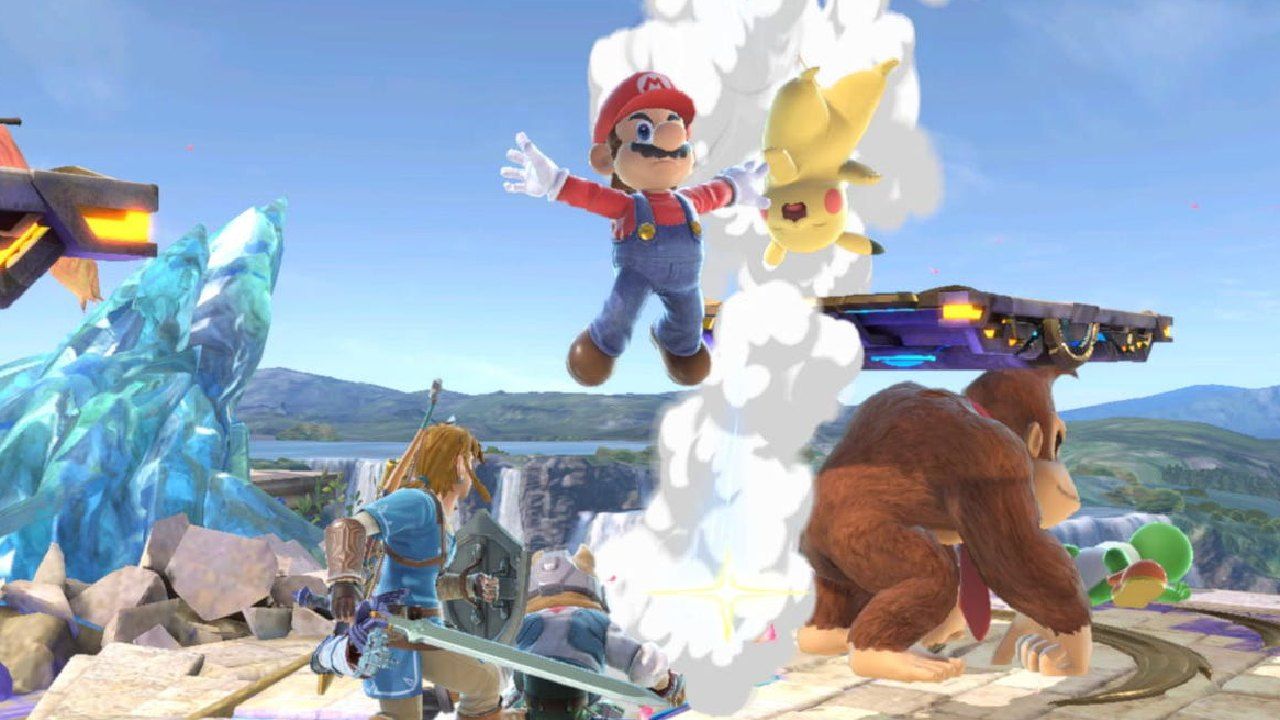
Image: noobfeed.com
Stage talk is filling the space Nintendo has not occupied yet
The strongest confirmed development is not a Nintendo announcement. It is the conversation around what a future Super Smash Bros. should play like if the widely discussed Switch 2 speculation ever turns into a revealed game. NintendoEverything published a September 19, 2026 Switch 2 feature arguing for new stage additions, led by Bowser’s Castle and Area Zero, while several rumor reports have separately amplified claims that a new Smash project may be in the works for Nintendo’s newer hardware.
That distinction matters. Nintendo has not announced a new Super Smash Bros. for Switch 2 in the source material provided here. There is no confirmed release window, roster, price, upgrade path, or stage list. The stage wishlist is an editorial feature, not a leak. The Switch 2 Smash chatter is based on reported YouTube comments and secondary reporting, not a publisher statement.
Still, the stage angle is useful because it gets past the usual roster arms race. Super Smash Bros. Ultimate already became a scale problem, with Tech Insider describing it as a 2018 fighter with more than 80 characters. A sequel, if Nintendo ever confirms one, cannot rely only on adding another stack of fighters and calling that a generational refresh. New Smash Bros arenas would have to carry a lot of the feel of a new entry: readable layouts for serious sets, recognizable Nintendo spaces for casual rooms, and music identities strong enough to make the same matchup feel different without damaging competitive clarity.
NintendoEverything frames stages as spaces that “set the scene,” add references, and bring variety to battles, while noting the divide between simple tournament-legal layouts and chaotic stages built for spectacle. That tension is the real story. A future Nintendo fighting game lives or dies on whether it can serve both groups without making either feel like an afterthought.
The Switch 2 Smash reporting is still rumor, and even the leak trail is messy
The rumor side should be handled carefully. Tech Insider reported that, according to a September 5 VICE report, a YouTube commenter using the handle “malo932” claimed that “a new Super Smash Bros. game is reportedly in development for Nintendo Switch 2.” Tech Insider says the comment came in response to a question about whether Nintendo might port Super Smash Bros. Ultimate, with the quoted answer: “No, a new Smash is in the works.”
Notebookcheck covered a similar claim but identifies the leaker as “Malo392” in its text, while also showing a caption that refers to “Malo932.” That inconsistency does not disprove the claim, but it is exactly the kind of naming conflict that should stop readers from treating the report like a clean chain of confirmation. Notebookcheck also noted that insider Reece “Kiwi Talkz” Reilly had reported in May 2026 that a fresh Super Smash Bros. game was planned, then later cautioned that it may not be a new title.
The Reddit source listed in the research material cannot be evaluated for substance because the captured page only shows Reddit’s “Prove your humanity” access gate. It is not usable as confirmation of a new Smash game, a Nintendogs revival, or any other claim.
So the confirmed layer is narrow: outlets have reported on a leaker’s comments, NintendoEverything has published a stage wishlist, and no official Nintendo announcement is present in the provided source material. The unconfirmed layer is broader: a new Super Smash Bros Switch 2 game may exist, it may be separate from an Ultimate upgrade, and it may target a future release. Until Nintendo speaks, players should read the stage discussion as a design wish list, not as a roadmap.
Bowser’s Castle is the cleanest test of chaos versus readability
NintendoEverything’s most obvious pick is also the most revealing one: Bowser’s Castle. The outlet calls it “probably the most iconic location” still without a Smash Bros. stage, pointing out that the castle appears across mainline Mario games and spin-offs, including Mario Kart. The site also notes the strange gap that, despite lava being common in Super Mario, the only Mario-series Smash stage with lava in any form is Super Mario Maker, where lava is not guaranteed because the layout is randomly generated.
As a stage pitch, Bowser’s Castle has instant flavor and instant danger. NintendoEverything suggests Thwomps, Bullet Bills, and even the giant Bowser statue from Mario Kart 8’s version, which punches both sides of the track. That is strong party-match material. The problem is that every one of those hazards can become noise if the base platforming is not readable.
From a fighting game perspective, the key is the no-hazards version. A future Bowser’s Castle could work competitively if its legal form had stable blast zones, clean ledges, a modest platform layout, and background effects that do not hide character silhouettes. Lava is exciting in a trailer, but in bracket it becomes a question of whether players can still judge spacing, tech chases, two-frame attempts, and recovery routes without the stage creating ambiguous situations.
The best version of Bowser’s Castle would separate spectacle from structure. Let casual rulesets turn on Thwomps, Bullet Bills, lava lifts, or the Mario Kart 8 statue. Let competitive rulesets keep the castle identity through lighting, music, and background animation while preserving frame-level legibility. Smash has always had to share a room with both item chaos and Final Destination discipline. Bowser’s Castle is the kind of location that tests whether a future entry can do that more elegantly than past games.
Area Zero points to a newer Nintendo world, but the case is still speculative
The second named pitch in the supplied NintendoEverything text is Area Zero from Pokemon Scarlet and Violet. The article argues that if the next Smash game were in development now, it would probably include Pokemon from the ninth generation rather than the tenth, making a Scarlet and Violet stage possible. That is the outlet’s reasoning, not a confirmed development detail.
Even with that caveat, Area Zero is a useful signal. Smash stages have often carried franchise history, but a Switch 2-era entry would need newer Nintendo worlds to avoid feeling like a museum update. Area Zero represents a recent Pokemon setting, and its inclusion would tell players that the next game is willing to refresh its sense of place rather than only preserve the safest legacy picks.
For play, Area Zero would need a different design philosophy than Bowser’s Castle. Where Bowser’s Castle invites active hazards, Area Zero would likely be strongest as atmosphere first: depth, scale, and movement in the background without turning the foreground into visual clutter. Competitive Smash depends on fast recognition. Players need to know where platforms begin, where ledges can be grabbed, which effects are cosmetic, and whether a stage transformation is about to change advantage state.
The source material provided cuts off shortly after introducing Area Zero, so there is no complete description here of how NintendoEverything imagines the stage functioning. That limit is important. We can say the outlet frames it as a plausible Scarlet and Violet representative if a new Smash were being made now. We cannot say any stage mechanics, songs, or Pokemon cameos have been reported for it.
Music potential is part of the stage argument, even when mechanics get top billing
Stage wishlists often read like visual checklists, but music is a major part of why a Smash arena becomes sticky. The source material does not report any soundtrack plans for a future Smash game, and no track list exists in the provided reporting. The point is about expectation: if fans ask for Bowser’s Castle or Area Zero, they are also asking for those worlds to bring a soundscape that changes the rhythm of long sessions.
Bowser’s Castle has the advantage of being a flexible Mario location. NintendoEverything stresses that it has no uniform look and appears across many Mario games and spin-offs. That same flexibility would let a future Smash entry draw from different moods: fortress pressure, kart-race intensity, lava-stage menace, and boss-room drama. For players grinding matchups, that variety matters. A good stage playlist keeps repeat sets from feeling stale while the stage geometry stays consistent enough for learning.
Area Zero would serve a different purpose. Its appeal comes from representing a newer Pokemon generation, so the audio identity would carry the burden of making Scarlet and Violet feel properly present in the roster experience. Again, nothing in the supplied sources confirms music, arrangements, or licensing decisions. But as a design request, the stage only reaches full value if it brings both a clean play space and a memorable musical package.
This is where a future Nintendo fighting game has an easier path than the roster debate. Adding a character affects matchups, balance, animation workload, online perception, and competitive rule sets. Adding an arena still creates balance questions, but a strong hazards-off layout plus a rich music selection can refresh the game without forcing every player to relearn the cast.
New arenas have to solve the Ultimate inheritance problem
Tech Insider frames the possible sequel question around Super Smash Bros. Ultimate’s scale, noting that Ultimate launched in December 2018 and had a roster of more than 80 fighters. The outlet also says Nintendo has a history of re-releasing major Wii U and Switch titles on new hardware, which makes an Ultimate upgrade or port a plausible business route. Notebookcheck similarly says many fighting enthusiasts believe an upgrade for the original Switch release is inevitable, while also floating the possibility that Nintendo could choose a new chapter instead.
That is the pressure behind every next Smash Bros stages discussion. If Nintendo ports or upgrades Ultimate, the demand becomes refinement: better visuals, possibly added content, smoother presentation, and a cleaner bridge to Switch 2. If Nintendo builds a new entry, the demand becomes identity: what makes this game feel distinct when Ultimate already sold the fantasy of “everyone is here”?
Stages are one answer because they can reshape the daily experience faster than a roster can. A new set of readable arenas can give tournament players fresh counterpick questions. A stronger hazards-off philosophy can reduce rule-set friction. Better stage music organization can make online lobbies feel less repetitive. Newer Nintendo worlds can make the roster feel less frozen in 2018, even if the character count contracts.
The safest design lesson from Bowser’s Castle and Area Zero is that arenas should be built in layers. The first layer is competitive utility: clear platforms, fair recoveries, readable blast zones, and low visual obstruction. The second is casual texture: hazards, transformations, cameos, stage bosses, environmental jokes, and franchise-specific chaos. The third is presentation: music, background motion, lighting, and references. Smash works best when those layers can be tuned rather than forced into one rule set.
Reader guidance: enjoy the wishlist, but do not make buying plans from it
For now, there is no confirmed Super Smash Bros Switch 2 product to preorder, no announced new Smash Bros arenas, and no official statement that Bowser’s Castle or Area Zero are being considered. The practical move is to treat the current stage conversation as a clear read on player demand rather than evidence of Nintendo’s plan.
If you play competitively, watch for any future announcement details about hazards-off versions, platform layouts, online performance, stage legality tools, and whether Ultimate’s existing stage library carries forward. A pretty arena that hides character outlines or shifts platforms unpredictably will struggle in serious play, no matter how beloved the source game is.
If you mainly play casually, Bowser’s Castle is the kind of pick that would justify the spectacle side of Smash, especially if Nintendo leaned into hazards like Thwomps, Bullet Bills, lava, or the Mario Kart 8 statue cited by NintendoEverything. Area Zero would answer a different request: give newer Pokemon material a proper stage presence instead of letting the game’s world representation lag behind the franchise.
The larger takeaway is that stage requests are becoming a sharper proxy for what players want from the next Smash. They want arenas that read cleanly at speed, celebrate Nintendo’s newer worlds, and bring music strong enough to make repeat matches feel alive. Until Nintendo confirms what comes after Ultimate, that is the most grounded way to talk about the future: less roster fantasy, more attention to the spaces where every stock is actually played.