
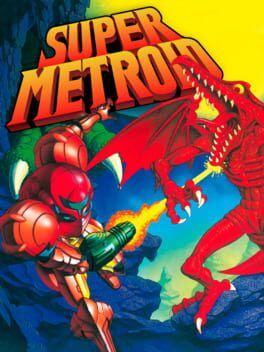

Super Metroid’s long‑requested arrival on Nintendo Music is more than a nostalgia drop. Here is why its eerie SNES soundscape still matters, the key tracks to queue up first, what this means for Nintendo’s evolving legacy library, and which classic albums fans are already hoping to see join the app next.
Nintendo Music adding the Super Metroid soundtrack feels like a quiet course correction. For years, one of Nintendo’s most celebrated scores lived in a strange limbo: adored by fans, endlessly ripped and uploaded, but only sporadically acknowledged in official album form. Now, tucked alongside Mario, Zelda and Splatoon playlists on iOS and Android, Zebes finally has a proper seat at Nintendo’s streaming table.
Super Metroid’s arrival also sharpens what Nintendo Music is trying to be. It is no longer just a modern greatest hits box; with weekly drops like Super Mario 3D World + Bowser’s Fury, Super Mario Land 2 and Pokemon FireRed & LeafGreen, the app is turning into a living archive that stretches from NES to Switch 2. And when a cornerstone SNES soundtrack like Super Metroid joins that list, it sends a clear message about how Nintendo wants to treat its musical back catalog.
Why Super Metroid still sounds unsettling in 2026
Super Metroid’s music works because it was never interested in being a hummable hit machine. Kenji Yamamoto and Minako Hamano leaned into texture and atmosphere above all else, using the SNES sound chip to build something closer to sound design than traditional game “tunes.” Even compared to its contemporaries, the soundtrack was sparse, cold and alien.
That restraint is what makes it timeless. While other 16 bit scores chase big hooks and flashy arpeggios, Super Metroid is full of negative space. Long, low drones underpin faint percussion. Melodies drift in and out rather than crashing through the mix. On headphones through Nintendo Music, those details stand out more than they ever did through an old CRT’s speakers.
It also helps that Super Metroid anticipated how players would talk about immersive audio decades later. The soundtrack is reactive in feel even when it is not technically dynamic. Each zone’s music is so tightly paired to level design and enemies that your memories of a region are inseparable from its sound. Brinstar’s greenery does not just look different from Norfair’s caverns; it breathes differently too.
Standout tracks that define Zebes
The full album on Nintendo Music runs just over an hour and includes 28 tracks, mirroring the in game cues almost one to one. A few selections are essential listening if you want to understand why this score still matters.
The Title Screen and Theme of Super Metroid are the mission statement. The distant choir, the slow build and the way the main motif never quite resolves all signal that this is not a power fantasy, it is a haunted expedition. Even within Nintendo’s catalog, there is nothing quite as stark from that era.
Brinstar: Heavy Foliage Area might be the closest thing Super Metroid has to a fan favorite. It balances a driving rhythm with an uneasy melody that always feels on the verge of falling apart. The track captures that early game high of discovering that Zebes is bigger and stranger than you expected, without ever letting you relax.
Wrecked Ship pushes the ambient approach further. Its thin, ghostly textures almost feel too minimal for a 1994 action game, yet in context they make the ruined vessel feel cursed rather than just abandoned. On Nintendo Music’s clean recording, the subtle metallic clanks and echoing tones are easier to pick apart, and they underline how much of the game’s horror comes from suggestion rather than jump scares.
Norfair and Lower Norfair showcase the soundtrack at its most oppressive. The pounding percussion and low brass like synths make you feel the heat, but there is a ritual quality underneath, as if the planet itself is chanting against you. These cues helped define what a late game Metroid area should feel like and they still influence how fans expect volcanic or deep subterranean spaces to sound in modern games.
Then there is the Mother Brain confrontation and the final Escape sequence. Here, Yamaha style drama finally crashes in. The boss theme fuses industrial noise with a distorted melodic line that feels like a corrupted version of heroism, while the escape music taps into a more straightforward adrenaline rush. It is the payoff the score has been saving for, and hearing it in lossless quality gives every SNES era sample a surprising punch.
The Ending track pulls things back down with one of Nintendo’s most quietly emotional codas. It never fully lets go of the dread that has defined the journey, but there is warmth peeking through the grey. On Nintendo Music, that slow swell plays out without cartridge hiss or compression, and it is easier to appreciate how carefully the composers land the story without a single line of dialogue.
From Sound in Action to streaming: Nintendo curates its Metroid past
Super Metroid’s music has had a strange release history. In the 90s, Japanese fans received Super Metroid: Sound in Action, a joint CD featuring music from the original Metroid and its SNES sequel, but it never saw a wide Western release. For many players, the only way to hear these tracks outside the game was to leave the console idling on favorite areas.
Nintendo Music changes that dynamic. By putting the entire Super Metroid album in the same app as Ocarina of Time, Breath of the Wild, Mario Odyssey and Metroid Prime, Nintendo is finally treating this soundtrack as part of a canon rather than a cult classic. It sits alongside other curated compilations like the Nintendo Sound Selection style sets that focus on endings, staff rolls or character themes, but this is the pure, in context score, track for track.
The app itself has quietly turned into one of Nintendo’s most important preservation efforts. What started in late 2024 as a modest selection of recent Switch hits has expanded into a cross generational library that reaches back to Famicom and forward to high profile modern releases. Weekly updates are adding at least one new title, and the recent wave of retro drops suggests Nintendo is deliberately shoring up its 8 and 16 bit representation.
Super Metroid’s addition also complements how Nintendo treats the game on the gameplay side. The title has long been available in the Switch Online SNES library, and now the soundtrack lives in the same subscription ecosystem. It is a subtle bit of curation that nudges new players from playing the game to exploring its music, and vice versa.
Reading Nintendo Music’s future from Super Metroid’s debut
When a fan favorite like Super Metroid arrives this late in Nintendo Music’s life, it naturally sparks speculation about what could be next. Metroid fans in particular are watching the weekly drops carefully. The app already features Metroid Prime and classic Famicom and SNES entries, but the door is now open for deeper cuts and more complete series coverage.
The most obvious expectation is that Nintendo will round out the 2D Metroid library. Full albums for Metroid: Zero Mission and Metroid Fusion would create a clean arc from the NES era through the GBA years, especially appealing now that those games are also present in the Switch Online catalog. Their soundtracks push the more melodic, percussive side of the series and would offer a sharp contrast to Super Metroid’s sparse, reverb heavy mood.
Fans are also looking at how Nintendo has treated other franchises in the app. Mario already enjoys multi era coverage with everything from Super Mario Land 2 to modern 3D outings, while Zelda boasts pillars like Ocarina of Time and Breath of the Wild. Pokemon, Kirby and Donkey Kong have seen both handheld and console entries represented. In that context, Super Metroid feels like Nintendo acknowledging that Metroid should stand alongside those tentpoles, not exist as a side curiosity.
Beyond Metroid, certain classic albums have become almost obligatory requests whenever Nintendo Music trends. Orchestrated collections like the Super Mario Galaxy soundtracks or more obscure discs such as the original Fire Emblem and Famicom arranged albums are perennial wishlist items. Super Metroid’s inclusion shows that Nintendo is willing to reach back into its 90s catalog, so attention naturally turns to other fan cult favorites like Chrono Trigger’s SNES soundtrack where licensing allows, or more realistically to in house works such as the Star Fox and Pilotwings scores that have rarely been given standalone digital releases.
For Metroid specifically, one milestone looms large: a comprehensive collection that pairs Super Metroid with Metroid Prime and modern entries in a franchise spanning playlist. Nintendo has already experimented in this direction with themed sets that highlight endings, boss themes or overworld music across multiple series. A Metroid anthology in Nintendo Music would be a logical extension of that approach and Super Metroid’s newly polished presence makes it much easier to imagine.
Why this matters beyond nostalgia
Putting Super Metroid on Nintendo Music will not suddenly change the way the industry talks about game soundtracks, but it does matter. It means a new generation can discover a foundational piece of atmospheric game scoring in an official, high quality format, without diving into rips and fan uploads. It reinforces that 16 bit sound design deserves the same preservation as fully orchestrated modern scores.
It also hints at a future where Nintendo treats its music library as carefully as it treats its marquee game rereleases. The success of the app’s weekly additions and the positive response to Super Metroid’s debut give Nintendo every incentive to keep digging into its vault. And for anyone who has ever left Samus standing in Brinstar just to let that uneasy groove play a little longer, having those echoes of Zebes only a tap away on Nintendo Music feels like overdue recognition for one of the company’s boldest soundtracks.