
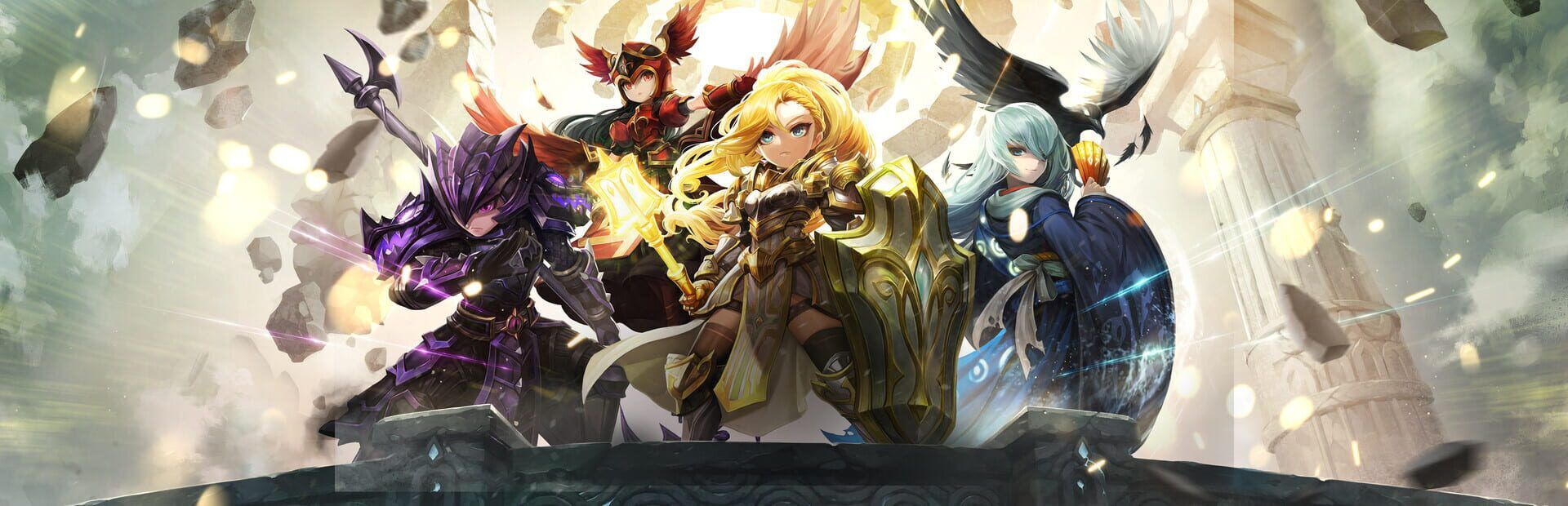
A gameplay-first look at the Summoners War x The Lord of the Rings collab, covering optimal team-building around Gandalf, Aragorn, Legolas and the free 5★ Frodo, plus their best PvE/PvP roles and how the event rewards shape long-term accounts.
Summoners War’s Lord of the Rings collaboration is much more than a fan-service banner. Between a fully upgraded free 5★ Water Frodo, multiple legendary-tier units like Gandalf, Aragorn and Legolas, and a stack of progression rewards from Mordor missions and the Land of Shadows dungeon, this collab can reshape both new and veteran accounts for years.
This guide focuses purely on gameplay. No lore, no movie nostalgia, just how to squeeze every bit of value out of the Fellowship in PvE, PvP and long-term account growth.
Understanding the collab’s value for your box
The collaboration revolves around five units: Frodo, Gandalf, Aragorn, Legolas and Gollum. The event structure, as detailed in the official collab pages and covered by Pocket Gamer and Gamers Heroes, gives you a maxed Water Frodo simply by playing the content. His skills and enhancements come pre-finished, which makes him an instant plug-and-play unit.
On top of that, Mordor on Sky Island offers repeatable daily and weekly missions while Land of Shadows and Gandalf’s Riddle provide time-limited ways to convert playtime into resources. Taken together, this is a rare window where a mostly F2P player can spike their account power.
Free 5★ Water Frodo: Your foundation unit
Water Frodo is the centerpiece for most players because he is guaranteed and fully built. You are not spending Devilmons or grindstones to make him work, which is massive value.
In practice, his kit is geared toward survivability and sustained damage. Think of him as a hybrid bruiser and utility piece who fits naturally into progression teams for dungeons and story content.
In PvE, Water Frodo’s main strengths are stable single-target damage, decent uptime on utility effects and strong scaling with tanky stats, so you can build him relatively safe while still contributing damage. He pairs well with defense breaks, attack buffs and healing-over-time effects, so classic units like Shannon, Fran, Loren or Verdehile become natural teammates.
In PvP, Frodo is less of a hard-carry and more of a role player. He excels in bruiser compositions where your team aims to outlast instead of cleave. He benefits from sustain supports and anti-focus tools like immunity and shields. Use him to punish drafts that lack burst or strip by forcing drawn-out fights where his consistency shines.
Gandalf: Control and utility engine
Gandalf is the most flexible of the collab units for endgame accounts. His design, as shown in the developer notes and collab site, leans toward crowd control, buff/debuff manipulation and tempo control.
In PvE, Gandalf works best as the brain of your team. You bring him when a stage demands stuns, slows or turn order manipulation rather than raw damage. He is especially useful in:
Story and event content like Land of Shadows, where controlling bosses’ adds and turning dangerous waves into manageable encounters makes runs safer.
Guild content or niche dungeons where locking down side units or preventing buff-heavy bosses from cycling out of control is important.
Rune Gandalf with accuracy and survivability first. Despair complements his control identity nicely if his skills hit multiple targets, while Swift or Violent lets him cycle turns and keep key debuffs rolling. Pair him with units that capitalize on control, such as damage dealers that scale on debuffs or allies that gain extra turns against disabled enemies.
For PvP, Gandalf belongs in control and tempo-based drafts. In Arena or World Arena, he functions like an all-purpose tool that smooths your game plan. Into aggressive cleaves he can buy critical turns with control and tempo swings. Into bruiser teams he helps you win the long game by denying buffs and managing cooldowns.
Draft Gandalf early if your box favors CC and turn manipulation. Place him alongside speed leaders, strippers or sustain supports so your team either goes first and locks the opponent, or survives early pressure long enough for Gandalf’s control to matter.
Aragorn: Bruiser leader with front-line presence
Aragorn is designed as a front-line bruiser with leadership presence. His kit plays into sustained fights, leveraging a mix of damage, durability and supportive effects that make him a cornerstone rather than a side piece.
In PvE, Aragorn is ideal where you need a sturdy front-line that both soaks hits and pushes damage. Picture him as a replacement or upgrade for early-game frontline bruisers in giants, dragons or rift content. He pairs exceptionally well with defense breakers and healers; when built tanky with crit, he can handle boss chip damage while still contributing consistent DPS.
Aragorn also shines in the Land of Shadows event dungeon. His combination of damage and survivability smooths out boss phases and keeps the fight stable even when mechanics get messy.
For runes, go for bruiser stats: high HP and defense, solid crit rate and damage, and enough speed to stay relevant. Set choices like Violent or Vampire are particularly attractive. Violent amplifies his overall impact, while Vampire allows him to self-sustain through chip damage and debuffs.
In PvP, Aragorn fits bruiser and sustain comps that grind down opponents. He is especially effective if his leader skill favors survivability or element-relevant stats, since you can anchor teams around that. Draft him when you expect long, brawly fights or when you want a reliable front-liner that does not fold to focused pressure.
Pair Aragorn with cleanse and sustain so you can weather initial burst. Units that provide attack buff and defense break will unlock his full bruiser potential.
Legolas: Precision damage dealer and wave clearer
Legolas is the collab’s premier damage dealer. His kit is built around high, targeted damage with extra pressure through multi-hits or follow-up effects. If Gandalf is control and Aragorn is front-line stability, Legolas is your executioner.
In PvE, Legolas is the go-to unit for clearing waves and deleting priority targets. He is especially potent in dungeons where focus-firing dangerous crystals or bosses is key. Combined with defense break and attack buff, he will quickly become one of the highest-value DPS options an early or midgame account can field.
Use Legolas in story clears, scenario farming and collab dungeons first, then move him into giants and dragons if his element and multipliers line up well for your rune options. The more the stage rewards high single-target damage, the better he feels.
Rune Legolas as a full damage dealer: focus on crit rate, crit damage and attack with enough speed to act early. Rage or Fatal sets with complementary speed or blade components work well. Protect him with a front-line like Aragorn or a tanky support so he can operate without immediately getting focused down.
In PvP, Legolas thrives in drafts that aim to remove one unit instantly and create a numbers advantage. He works well with speed control and strip, and becomes even more oppressive if your team can cycle turns quickly. Think of him as a cleaner in cleave/burst comps or a threat that punishes opponents who fail to sustain properly into bruiser drafts.
Synergy cores: Building teams around the Fellowship
The real strength of the collab units is how naturally they slot together. Even if you only secure one or two premium units plus the free Frodo, you can construct strong cores for both PvE and PvP.
For early and midgame PvE, start with a simple structure. Place Aragorn or Frodo in front, add a healer or support like Fran or Lulu, bring a defense breaker such as Loren or Sigmarus, then plug in Legolas as your main damage and Gandalf for control and safety. This style of team will comfortably handle most scenario content, event missions and early giants and dragons.
As your rune quality improves, lean harder into specialization. Pick a clear damage dealer like Legolas or a traditional nuker, use Gandalf to stabilize waves and bosses, and let Aragorn or Frodo anchor the frontline and soak hits.
In PvP, the main synergy pattern is bruiser control. Combine Gandalf’s utility with Aragorn’s front-line presence and Frodo’s sustained damage, then flex the last slot between Legolas for kill pressure or a pure support like immunity or cleanse. This gives you drafts that can adapt to both cleave and long-game opponents.
Where they shine: PvE and PvP roles by priority
For pure account progression, prioritize the collab units like this:
Water Frodo is an auto-include for new and midgame players as soon as you obtain him. Use him in scenario, rifts and the collab dungeons. His pre-maxed skills make him efficient from day one.
Legolas deserves your best early damage runes. The faster you clear waves and bosses, the faster you farm more runes and crystals. He is the big lever that shortens your grind.
Aragorn is your stability piece for early giants and dragons. When your healers and supports are still squishy, having a bruiser that can sustain and kill at the same time smooths out failures.
Gandalf comes into his own later. Once core progression is handled, you can pivot him into high-accuracy, control-centric builds for Labyrinth, siege, guild content and World Arena, where his control and utility pay off.
In PvP offense, compress these roles into flexible lineups. For example, in Arena you can run a bruiser offense with Aragorn front-line, Frodo and Legolas as damage, and Gandalf for control and utility. This lets you attack a wide range of defenses without constantly swapping teams.
Long-term account impact of the collab events
The collab is not only about units. The structure of Mordor on Sky Island, Land of Shadows and Gandalf’s Riddle turns your daily play into a stockpile of account resources if you treat it systematically.
Daily and weekly Mordor missions reset each week and provide a steady drip of energy, crystals and summoning materials. Over the full event period, this represents a sizable chunk of free pulls and progression resources that would otherwise demand time or spending.
Land of Shadows offers event-limited rewards that supercharge rune progression and quality of life items. Clearing all stages and missions while the collab is active gives you resources equivalent to weeks of normal farming.
Gandalf’s Riddle is more of a side mode, but it still contributes rewards that add up in the long term. Even if you are not a fan of the minigame itself, finishing its stages ensures you are not leaving easy value on the table.
For new accounts, this is a near perfect starter window. You effectively begin with a fully built 5★ in Water Frodo, plus access to collab missions that shortcut many early bottlenecks. If you are just starting Summoners War, pushing hard through the collab content can dramatically accelerate your path into giants, dragons and rift farming.
For veterans, the main incentives are high-quality resources and unique units. You may already have optimized PvE teams, but Gandalf’s control, Aragorn’s bruiser profile and Legolas’ raw damage give you fresh tools for Siege and World Arena drafts. Meanwhile the event rewards help push marginal rune upgrades across your account.
How to prioritize your time before the collab ends
If your playtime is limited, focus on three priorities.
First, secure and fully clear the Water Frodo line and his associated missions. Every account benefits from a free maxed 5★ regardless of progression level.
Second, target the stages and missions in Land of Shadows that reward the most impactful progression items for your specific account stage, such as runes, scrolls or grindstones.
Third, keep up with the Mordor dailies and weeklies. Even casual completion adds up over the event’s full duration and leaves your account permanently stronger.
If you manage these three pillars plus some optional Gandalf’s Riddle clears, you will walk out of the Lord of the Rings collaboration with a dramatically stronger Summoners War account, centered around a Fellowship that stays useful long after Mordor disappears from your Sky Island.