
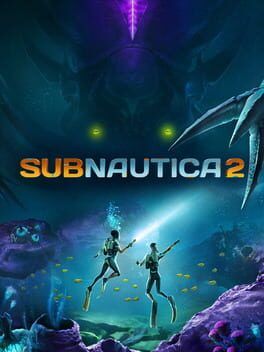

Unknown Worlds’ Subnautica 2 has exploded out of Early Access with 2 million copies sold in 12 hours and over 600,000 concurrent players. Here is how the studio scaled beyond the original game’s audience and which new features are landing best in the first 24 hours.
Subnautica 2 did not tiptoe into Early Access. It cannonballed.
Within 12 hours of release, Unknown Worlds announced that the underwater survival sequel had already sold over 2 million copies across Steam, the Epic Games Store, and Xbox Series X|S. Concurrents surged past 651,000 players across platforms, with Steam alone pushing beyond 467,000 users online at once.
For context, that launch peak is nearly nine times higher than the original Subnautica’s all‑time record on Steam, instantly rewriting the studio’s ceiling for how big its audience can be.
From cult favorite to chart‑topping phenomenon
The first Subnautica built its reputation slowly. It launched in Early Access in 2014, grew by word of mouth, and only hit full release years later, eventually helping the series reach a combined 18.5 million sales before Subnautica 2 even arrived.
Subnautica 2 comes from a very different place. In the weeks leading up to launch it sat at the top of Steam’s global wishlist chart, already primed as a blockbuster rather than a niche indie discovery. That hype translated directly into day‑one numbers that look closer to a triple‑A live service game than a survival sim.
The scale-up is dramatic. Where the first game proved that a quiet, almost meditative single‑player survival experience could find an audience, Subnautica 2 launched into Early Access with:
A built‑in fanbase hungry for more after Below Zero.
A massive wave of wishlists and social buzz, driven by trailers, dev diaries, and years of community attachment.
A marketing push that leaned into Unreal Engine 5 visuals and co‑op support.
Unknown Worlds has essentially taken the slow‑burn success pattern of the original and compressed it into hours. What took the first game years to build, the sequel hit in half a day.
A turbulent road that made the splash feel bigger
The eye‑popping numbers are landing after a messy development cycle. According to reporting referenced by IGN and VGC, Subnautica 2’s production was marked by internal turmoil at parent company Krafton. Senior leadership at Unknown Worlds, including CEO Ted Gill, was removed in 2025, then reinstated by a judge after a legal fight over alleged attempts to delay the game and avoid large performance bonuses.
On top of that, work on the sequel began around 2022, shifted to Unreal Engine 5, and navigated changing expectations around multiplayer, monetization, and live support. Early gameplay leaked ahead of release too, stoking concern that the debut might be rocky.
Instead, the first 24 hours have functioned like a public vote of confidence. Players did not just show up, they set records.
What players are actually responding to in the first 24 hours
Sales numbers tell one story, but the more interesting piece is why Subnautica 2 is sticking. Across Steam user reviews, social feeds, and early coverage, several themes keep coming up in that first‑day response.
4‑player co‑op that keeps the vibe, not just the numbers
Subnautica has always been about loneliness under crushing water. Optional four‑player co‑op could have shattered that mood, but early impressions suggest Unknown Worlds has walked a careful line.
Players are praising the way co‑op turns problem‑solving and exploration into shared storytelling rather than pure efficiency. Building a base together, coordinating dives into pitch‑black trenches, and splitting roles between scanning, resource hauling, and navigation all layer on top of the familiar tension of running low on oxygen far from safety.
Crucially, the world is not bending around the party. It still feels hostile and vast, so multiple players feel like a fragile expedition instead of an invincible squad. That balance is a big reason co‑op clips are flooding social platforms within hours of launch.
A denser, stranger ocean
Another consistent reaction centers on how alive the ocean feels compared with past games. Subnautica 2 leans into more intricate biomes and micro‑stories baked into the terrain. Players talk about spotting distant shapes in the gloom, then later swimming through the same area and realizing it was part of a much larger creature or structure.
The Unreal Engine 5 shift pays off here. Lighting and water clarity give those first descents a sense of physical depth that screenshots cannot fully convey. The first Subnautica was already impressive, but new players and veterans alike are calling out the step up in atmosphere as one of the sequel’s biggest hooks.
Early performance that supports the fantasy
Survival sandboxes live or die on friction. Too many technical issues and even a great loop starts to feel like work. So far, Subnautica 2’s performance is earning cautious praise.
Players highlight relatively stable frame rates on mid‑range PCs, smooth online sessions in co‑op, and fewer glaring bugs than they expected from a first‑day Early Access build. There are reports of jank and rough edges, but the overall sentiment in the opening wave of reviews trends positive enough that many are comfortable jumping in now rather than waiting.
That technical baseline matters for Unknown Worlds’ long‑term plans. The studio has been explicit that Early Access is a starting point and that it will be layering in systems, biomes, and narrative beats over time. Getting the core experience feeling good on day one builds trust that those updates will land on a solid foundation.
Scaling the original’s design for a much bigger crowd
One of the quiet achievements of Subnautica 2’s debut is how it scales design ideas that previously only had to serve a smaller, mostly solo audience.
Progression is tuned to support short, social sessions and long solo marathons alike. Crafting and base‑building feel familiar but are front‑loaded with more options so that new groups can carve out an identity early, while long‑time fans still have new toys to chase. The ocean’s geography invites route‑planning and team logistics in a way the first game never had to accommodate.
At the same time, Unknown Worlds appears wary of losing the series’ slow‑burn tension. Oxygen management, resource scarcity, and the fear of the unknown remain central. Co‑op is positioned as a way to share that fear, not defuse it, which is resonating strongly in day‑one impressions.
A hotter start than most Early Access survival games
When you line Subnautica 2 up against other survival launches, the scale becomes clearer. Hitting 2 million units sold in 12 hours and more than 600,000 concurrent players places it among the biggest Early Access debuts on record for the genre.
That rapid uptake also front‑loads Unknown Worlds with an enormous live audience. Every tweak to progression, creature behavior, or co‑op balance in the coming weeks will be scrutinized in real time by hundreds of thousands of players.
The upside is equally large. If the studio can parlay this explosive start into a steady cadence of updates, Subnautica 2 could transition from a highly anticipated sequel into one of the defining survival sandboxes of the generation.
The early verdict
Critical takes are still forming, but IGN’s initial Early Access review, which lands at a 7/10, captures the current mood: the core experience is already gripping, even if some players may prefer to wait for more content and polish.
Player sentiment in the first 24 hours, though, leans more enthusiastic. The combination of co‑op exploration, richer biomes, and solid performance is convincing huge swathes of the original game’s audience to dive in early, and it is pulling in newcomers who never touched the series before.
Subnautica 2’s Early Access launch is not just a sales headline. It is the moment Unknown Worlds graduated from cult survival darling to full‑scale multiplayer phenomenon. If the team can keep this ocean feeling dangerous, surprising, and worth returning to, that first‑day tidal wave of players may just be the beginning.