
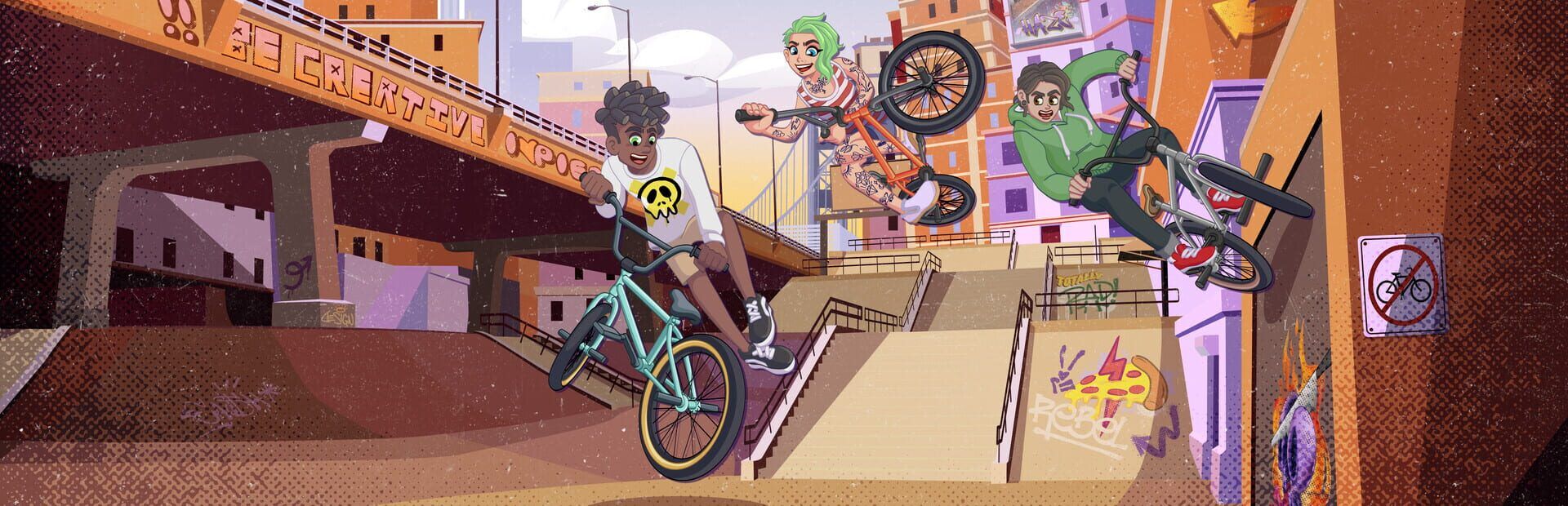
Ahead of its January 14, 2026 PC launch, Streetdog BMX is shaping up as a throwback to the glory days of Dave Mirra with modern physics, sprawling city maps, and a deep trick-combo focus. Here is how its systems work so far and a wishlist of features fans of classic BMX games and Riders Republic should watch for.
Streetdog BMX has had the feel of a cult project in the making. Built by Yeah Us! Games and led by Adam Hunt, it is openly chasing the golden age of BMX games while trying to avoid feeling like a simple nostalgia pitch. With the full PC launch set for January 14, 2026 on Steam, the demo and early looks already hint at how its trick system, grounded-feeling physics, and layered city design could finally give BMX fans something substantial again.
A trick system that wants both Tony Hawk style flow and BMX nuance
Streetdog BMX is very clearly in conversation with the classic Dave Mirra titles and the flow of Tony Hawk, but it is not trying to be an arcade button masher. On a basic level, the trick input style sits somewhere between the snappy, card-deck feeling of classic extreme sports games and the more analog timing of modern indie skate titles.
A big focus is on readable, stylish tricks that you can string together without needing a move list open on a second screen. Spins, flips, barspins, tailwhips, and grinds all come from relatively simple inputs, which helps the game stay inviting for anyone who has not played a BMX game in over a decade. Where it leans deeper is in how your approach angle, takeoff timing, and landing alignment affect whether a trick feels clean, sketchy, or fails outright.
Rather than leaning purely on score multipliers from endlessly stacked tricks, Streetdog BMX tries to reward smart routing through its parks and city spaces. Linking a manual into a grind, snapping a quick transfer to a new line, then hopping a small gap to keep momentum becomes more important than just flipping as many times as possible. That sense of line choice should feel immediately familiar to anyone who put hours into Dave Mirra freestyle runs.
Combo scoring is layered on top. Early builds already emphasize chaining small tricks with good landings to keep a combo alive. Bails are fast and get you back on the bike quickly, so experimentation becomes part of the rhythm. The target tone is creative and expressive, not punishing, and that is exactly the lane a modern BMX title needs to occupy.
Bike physics that balance weight and responsiveness
The biggest risk for any modern BMX game is physics that are either so loose that everything feels weightless, or so fussy that tricks become a fight. Streetdog BMX is trying to live in the middle.
The bike has a noticeable sense of mass once you get airborne. Pushing into a jump and then pulling up for height feels distinct from flattening out a hop to coast onto a ledge. Rotations carry momentum, so starting a spin late in the air will not magically complete a full rotation on landing. You can feel the game gently nudging you toward sensible trick choices based on how much hang time you have.
Ground control is equally important. Manuals, nose manuals, and small direction changes do not instantly snap your bike around but instead demand tiny inputs that look and feel like real balance corrections. At the same time, the game is not going full simulation. There is forgiveness in the landing cone, which helps keep runs alive and lets players commit to bigger gaps and transfers without frame-perfect precision.
This approach has the potential to resonate with fans of Riders Republic who enjoy tricking huge lines but often wish the bikes felt a bit more tuned to BMX. Streetdog BMX is more intimate and technical, with a closer camera and slower relative speed that gives room for precise correction and style.
City and park design built around lines, not checklists
One of Streetdog BMX’s most promising hooks is its map philosophy. Yeah Us! is building six large, handcrafted locations that flow more like dense street parks than traditional mission hubs.
Construction sites layer scaffolding, temporary rails, and crane arms into multi-level playgrounds. City streets mix wider roads with tight alleys and stair sets, inviting you to find technically demanding lines rather than just bombing from marker to marker. Bowls and plazas are designed with overlapping hips, spines, and wallrides, which makes it easy to connect several very different types of tricks within a few seconds of riding.
Exploration is baked into the structure of these maps. Instead of just ticking off objectives from a menu, you will find hidden spots, secret transfers, and tucked-away challenges by paying attention to architectural details. That discovery-driven design mirrors what made the best Dave Mirra levels so enduring: there was always one more transfer you had not quite nailed or a rooftop line you had not figured out how to reach.
Challenges are spread throughout the maps, over 270 in total, and they range from time-based tasks to specific trick or combo requirements. This helps guide players toward different riding styles without constraining how they engage with the environment. You can chase the perfect score route, hunt collectibles, or simply session a handrail until you invent your own line.
Customization as a rider identity tool, not just cosmetics
Streetdog BMX includes a strong customization layer that spans both bike and rider. Frames, wheels, and other parts can be tweaked to create a look that reflects your favorite BMX subculture, whether that is clean park setups or grimy street bikes. Rider gear, hairstyles, and tattoos contribute to that identity as well.
While most of this seems primarily cosmetic, it plays into the fantasy of being part of a living BMX scene. If the game supports sharing screenshots or clips easily, distinct looks will matter even more as players trade lines online. This is another area where the game can echo Riders Republic’s social flavor without copying its live service structure.
Wishlist: features that could elevate Streetdog BMX at launch
The foundation looks strong, but BMX fans who grew up on Dave Mirra and more recently dipped into Riders Republic will be watching for a few key features as Streetdog BMX approaches its January 14, 2026 PC launch.
One big wishlist item is a truly expressive replay or clip system. The physics and level design beg for players to save and share their best lines. A simple timeline with camera controls, a few cinematic presets, and export options could extend the game’s life far beyond its single player structure.
Scoring depth is another concern. If combo logic can meaningfully differentiate between repeating the same trick and varying your lines with creative trick mixes, there will be a real skill ceiling to chase. Leaderboards that surface not just raw scores but maybe category-based stats, such as long manuals, most technical grinds, or cleanest runs on a given spot, would speak directly to the old school competitive mindset.
On the progression side, a light touch goes a long way. Players are more likely to stick around if they can unlock new parts, fits, and maybe even small map variants through play, but without grinding through a battle pass or time-limited events. Permanent challenges that reward mastery of specific locations would align perfectly with the handcrafted map design.
BMX fans will also be looking closely at control options. Fully remappable inputs on keyboard and controller, solid gamepad deadzone and sensitivity sliders, and maybe a couple of preset schemes that mimic classic BMX control layouts would show that the team is serious about accessibility and comfort.
Finally there is the question of community features. Even if Streetdog BMX launches as a purely single player game, ghost runs, downloadable best lines, or asynchronous challenges could capture some of the energy that makes Riders Republic and older score-attack titles engaging. A future update that adds local split screen or a relaxed online free ride mode would be a huge bonus, but even leaderboard-driven competition would go a long way.
Why Streetdog BMX matters for the BMX genre
The BMX genre has been quiet for years, with major publishers largely focused on broader extreme sports sandboxes. Streetdog BMX, with its compact scope and focus on pure riding, has a chance to re-establish what a dedicated BMX game can feel like in 2026.
By blending accessible trick inputs with credible physics and giving players dense, characterful maps to explore, Yeah Us! is aiming at the exact cross-section of nostalgia and modern design that many BMX fans have been waiting for. If the launch version can deliver on scoring depth, control flexibility, and at least a few ways to share and compare runs, Streetdog BMX could be the game that convinces more studios to give BMX another serious shot.
For now, the Steam demo and early previews suggest a project that understands what made Dave Mirra and its peers special while still feeling like its own, more grounded take on freestyle riding. With the January 14, 2026 launch date locked, the next year will be crucial as the team polishes the physics, tightens the maps, and hopefully layers in the competitive and community tools that can keep riders coming back long after they land their first dream line.