
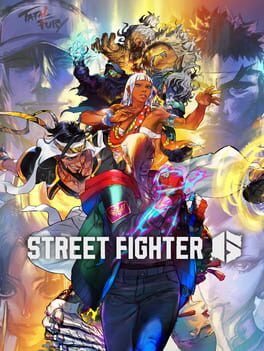
Breaking down Yasmine’s Eskrima-inspired moveset, how she might shape the Street Fighter 6 meta, and what her arrival says about Capcom’s evolving roster philosophy in Year 4.
Yasmine is kicking off Street Fighter 6’s Year 4 as the game’s first Filipino fighter, a hyper-mobile knife specialist built around Eskrima and relentless offense. Her reveal trailer and early move breakdowns paint a clear picture: she is designed to smother opponents with quick steps, acrobatic mixups, and blade pressure that never lets you breathe.
Below is an early look at how her kit works, what that means for competitive play, and how she fits into SF6’s increasingly diverse roster.
An Eskrima Identity That Actually Drives Gameplay
Capcom is leaning harder than usual into martial arts authenticity with Yasmine. She fights with a crescent-shaped karambit and a stance that constantly shifts her weight, whipping the blade through tight arcs that resemble close-quarters Eskrima trapping rather than broad, theatrical sword swings.
Where characters like Kimberly or Rashid express mobility through ninja runs or wind-assisted movement, Yasmine’s movement is more grounded in knife-fighter footwork. She is always sliding in and out of ranges, canceling spins into dashes, and using the blade’s curve to drag hurtboxes over and around the opponent’s guard.
Thematically, she is framed as a high schooler chasing her missing brother, inspired by FooTube clips of a certain French supermodel. Mechanically, that translates into a personality based on forward momentum. This is a character whose entire kit screams "do not back off" and her tools reward you for staying on top of people.
Core Gameplan: Pressure, Positioning, And Spin-Based Movement
Yasmine’s fundamental plan revolves around three pillars: rapid movement, knife-based pressure strings, and a unique powered-up state that juices her offense.
Her walk speed and dashes in the trailer look excellent, especially forward dash which she chains out of spins and side steps. Many normals are accompanied by a small advance step or sway, subtly sliding her into ranges that would normally be unsafe after blocked buttons. The knife gives her deceptively strong midrange too, so she can contest in footsies while threatening to instantly flip into rushdown once she scores a Drive Rush or whiff punish.
A key visual detail is just how often she is spinning. She rotates around her own axis on many specials, changing side, timing, and spacing all at once. That gives her frequent left-right ambiguity in the corner and lets her reset pressure by ending strings at odd distances.
Signature Tools: Daloy ng Tubig, Talim ng Hangin, And Bayani Mode
Capcom’s published move descriptions and trailer footage highlight three defining mechanics.
Daloy ng Tubig appears to be her primary mobility special. She flows forward with quick steps, then branches into follow-ups with varying heights and timings. This looks like the heart of her strike/throw game. On block she stays close enough to threaten a grab, on hit she gets combo routes, and with Drive Rush layered in she can easily blow through timid defense.
Talim ng Hangin is a more explicitly aggressive knife series. She cuts short, sharp arcs in front of her, often finishing with a more dramatic spin or flip. Different strengths seem to control distance and frame advantage, making it the button you use when you want to lock someone in place and ask them to guess between blocking, challenging, or risking a parry.
Bayani Mode is the system hook that turns her from scary to explosive. This powered-up state enhances her knife specials and often adds extra slashes or movement. In the trailer you can see her attacks gaining additional glow and extended strings while in this mode, which hints at new combo enders, plus frames, or juggle extensions she would not otherwise have.
Because Bayani Mode appears tied to either a resource or a particular trigger, good Yasmine players will likely structure their rounds around getting into that state and then spending it during corner sequences or post-knockdown mixups. Expect optimized routes that end with Bayani activation into a meaty setup that either shreds a lifebar or forces the opponent to spend Drive Reversal just to escape.
Mixups, Offense, And Defensive Weaknesses
Yasmine’s design is very clearly skewed toward offense. Her fastest-lifting toolset is about forcing uncomfortable defensive guesses rather than out-muscling opponents with raw damage.
The Eskrima inspiration comes through in close-range traps. Short punches and knife normals appear to have low recovery and good hit-confirm windows, giving her room to frame trap with drive rush cancels or cancel into Daloy ng Tubig. When she strings these together, the opponent is stuck in a loop of worrying about overhead-like knife arcs, delayed mids, and surprise cross-under movement if she uses her spins in the corner.
Capcom’s early notes and the trailer framing all emphasize that she is a "rush you down" character. That almost always comes with tradeoffs. Her buttons at max range do not look as commanding as Dee Jay’s or Guile’s, and her anti-air options seem more situational than classic uppercut characters. Without Bayani Mode, her damage may lean on extended sequences rather than big one-hit conversions.
Defensively, that likely means she will live and die by universal tools. Perfect Parry, Drive Reversal, and smart backdashing may be critical for getting out of bad spots. If her invincible reversal is weak or expensive, characters who can get their turn started first could bully her just as hard as she bullies the cast when she is in control.
Early Competitive Outlook: A New Age Of Mobility Rushdown
On paper, Yasmine has the hallmarks of a tournament threat.
Her pressure is modular, broken into small pieces that can be confirmed or delayed, which tends to scale very well as players explore frame data. Eskrima-inspired movement, with quick in-and-out steps and spinning repositions, gives her strong tools to play around Drive Rush, one of SF6’s defining systems. If her knife normals have good priority hurtboxes and her specials remain safe or plus when spaced, she will naturally fit into the meta as a round-winning snowball character.
For aggressive players currently maining Cammy, Jamie, or Rashid, Yasmine looks like a natural secondary or even a new main. Her ability to constantly shift the relationship between her and the opponent’s hurtboxes is something that lab monsters will exploit. Expect day-one tech around cross-up spins after knockdowns, Bayani Mode corner loops, and Eskrima-style trap strings that cover both wakeup buttons and delayed throw techs.
Her weaknesses, on the other hand, may gatekeep her from being oppressive. Zoners like JP or Guile could shut down her approach if her access to invincible gap closers is limited. Grapplers such as Marisa or Zangief might turn a blocked unsafe spin into a round-ending punish. Much will depend on whether her knife specials are actually safe when spaced, and how vulnerable she is to being whiff-punished when she starts fishing with spinning attacks.
In early brackets, expect her to overperform simply because of unfamiliarity. Players will not know what is punishable, will hesitate to mash when she spins through them, and will likely underestimate how fast her step-in buttons really are. Over time, her true placement will settle somewhere defined by how well she trades with top tiers in neutral and how committal her strongest mixups prove to be.
Roster Impact: Style, Representation, And System Synergy
Yasmine’s arrival says a lot about how Capcom sees SF6 in Year 4.
First is representation. She is the series’ first Filipino fighter, using a distinctly Filipino martial art rather than a more generic knife-stance. That adds cultural variety to a roster that already includes Capoeira, Lucha Libre, mixed striking styles, and more. If SF6 continues to explore regional martial arts at this level of specificity, future DLC could feel less like palette swaps and more like genuine new archetypes.
Second is playstyle diversity. Year 3 and early Year 4 have leaned into mechanically rich characters who interact in interesting ways with Drive and modern controls. Yasmine fits neatly into that design trend. Her kit seems built to play with Drive Rush at a microscopic level, chaining small plus situations together into extended offense. That deepens the game’s identity as a system-focused fighter where neutral, pressure, and resource management are tightly interlocked.
Finally, there is the longer-term meta. SF6 has steadily added characters who test the limits of what pressure, movement, and mixups look like around the Drive system. Kimberly, A.K.I., Rashid, and now Yasmine collectively push the game toward faster rounds where one mistake can turn into a long corner sequence. As Capcom begins Year 4 balance passes, they will need to decide whether characters like Yasmine define the future of SF6 or serve as high-ceiling specialists that spice up brackets without dominating them.
What To Watch For At Launch
When Yasmine releases on August 3, there are a few early signs that will reveal how strong she really is.
If Daloy ng Tubig and Talim ng Hangin are safe or plus at most ranges, she will immediately jump up the tier discussions as a pressure monster. If Bayani Mode dramatically boosts her damage or frame advantage, then she becomes a resource snowball character who can steal rounds off a single opening. Conversely, if her neutral tools without Bayani are underwhelming or her defense is fragile, she may land as a high-execution specialist mainly picked by character loyalists and style-driven players.
Either way, Yasmine is an exciting addition. She deepens Street Fighter 6’s commitment to diverse martial arts, gives rushdown players a new toy that plays beautifully with the game’s systems, and sets a bold tone for what Year 4 DLC might look like. Whether she ends up as a fixture in top 8s or a stylish counterpick, the roster just became a lot more dangerous once that karambit hits the stage.