
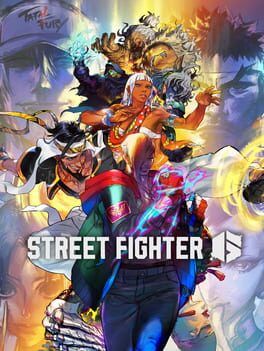

Capcom spent three years securing Tifa Lockhart for Street Fighter 6. Here is how the crossover happened, why she fits the roster so well, and what it signals for future collaborations without turning SF6 into a guest-character free‑for‑all.
Capcom has wanted Tifa Lockhart in Street Fighter 6 for a long time. What looks like a flashy, late‑generation crossover is actually the result of nearly three years of careful negotiation, design review, and internal debate about what a guest character should even look like in Street Fighter.
With Tifa now confirmed as a Year 4 DLC fighter, the studio is finally talking about how this collaboration came together, why she was the one Final Fantasy pick that made sense, and how Capcom plans to keep Street Fighter 6 from sliding into a constant parade of crossover guests.
How Capcom Actually Secured Tifa
According to director Takayuki Nakayama and producer Shuhei Matsumoto, the road to Tifa started with something surprisingly small: a mutual friend at Square Enix who was a big Street Fighter fan. Early conversations were not about dropping a Final Fantasy character into Street Fighter 6 at all, but about a broader collaboration between the two companies while Final Fantasy VII Remake was in full swing.
As those talks evolved, the conversation shifted toward a guest fighter. From there, the process became methodical. Capcom pitched the idea of a Square Enix character, Square Enix pushed back and refined suggestions, and over time both sides kept circling back to the same name. Tifa checked every box: iconic status, current relevance thanks to the FFVII Remake project, and most importantly a hand‑to‑hand combat style that could slot into a traditional fighting game without bending the rules.
Once both companies agreed that Tifa was the right choice, the collaboration moved into a stricter approval pipeline. Capcom built her Street Fighter 6 model and moves using extensive reference material from the Final Fantasy VII team. Square Enix oversaw the adaptation at multiple stages, and longtime Final Fantasy artist Tetsuya Nomura personally reviewed and signed off on Tifa’s appearance. Street Fighter 6’s designers handled hitboxes, frame data, system integration and animation exaggeration, while Square Enix’s role was to make sure that any change still felt like Tifa.
Capcom has also been upfront that this was not a quick deal. Talks about getting Tifa into Street Fighter 6 have been ongoing for roughly three years, covering not only legal and business details but also how she would function inside the game’s systems. By the time she arrives as early 2027 DLC, she will be the result of essentially half the game’s lifespan worth of planning.
Why Tifa Fits Street Fighter Better Than Most Guests Ever Could
The most important reason Tifa made it across the fence is that she already fights like a Street Fighter character. Capcom staff across interviews keep coming back to this point. Tifa is not a swordswoman, a mage, or a long‑range specialist. She is a close‑range brawler who uses named techniques, stance‑like transitions, and combo‑driven strings, which map cleanly onto a traditional 2D fighting toolset.
Her fictional style, Zangan‑ryu Martial Arts, gives Capcom a clear spine to work from. In Final Fantasy VII and its remakes, Tifa chains kicks, knees, and uppercuts into attacking flurries that feel almost like target combos. That sort of rhythm is easy to imagine inside Street Fighter 6’s Drive system, where cancel windows, Drive Rush pressure, and juggle routes reward characters who can string many hits together at point‑blank range.
Capcom has also described her in‑game identity as a close‑range fighter who uses Abilities and materia‑inspired tricks rather than projectile zoning or full‑screen gimmicks. That keeps her in line with Street Fighter’s core philosophy: fights are decided by footsies, pressure, and spacing, not full RPG kits. She brings a little Final Fantasy flavor without rewriting how matches are played.
Equally important is how she looks in motion. Street Fighter 6 exaggerates impact, twist, and stretch so that every normal and special move reads clearly even at a glance. Translating Tifa into that language meant thickening certain poses, amplifying follow‑through on big strikes, and making sure her iconic moves remain readable even when stuffed into a 99‑second round. The Final Fantasy VII team’s oversight meant those adjustments never pushed her so far that she stopped being Tifa.
There is also a cultural fit to consider. Street Fighter has a long history of martial artists and brawlers from across the world. Tifa, canonically trained by her master Zangan and known for fighting up close to protect her friends, feels less like a wild crossover and more like a visiting specialist that could believably stand next to Chun‑Li or Luke.
Materia, Abilities, And Making Tifa Feel Like Final Fantasy Inside SF6
Capcom has started teasing how Tifa will actually work in matches, and it goes beyond dropping a few familiar animations into a pre‑existing character template. The design talks centered on a balance: she has to feel like she stepped out of Final Fantasy VII, but she cannot break Street Fighter’s competitive rulebook.
The solution is a hybrid approach. On one side, Tifa uses her Zangan‑ryu striking style as the base for normals, specials, and supers. On the other, she has mechanics tied to materia and Abilities that nod directly to her RPG roots.
While Capcom has not revealed every detail, there are clear hints about how this might manifest. Materia‑induced mechanics suggest conditional buffs or state changes that alter how her attacks behave. In Final Fantasy, Tifa’s power comes from setting up her Limit Break routes and materia combinations. In Street Fighter 6, that concept can be adapted into a system where her stance, charges, or resource usage change the payoff of her pressure. For example, a stock that powers up a sequence of close‑range strikes, or a limited buff period that turns certain routes into high‑damage conversions.
Whatever the final implementation, Capcom is adamant that Tifa remains a Street Fighter character first. Her gameplan needs to be grounded in neutral, whiff punishing, and pressure, with her Final Fantasy‑flavored mechanics acting as spice instead of the main course. That focus is what separates this crossover from the kind of guest design that warps a game’s meta around external IP.
A Three‑Year Chase Shows How Selective Capcom Wants To Be
One of the quieter messages from these interviews is that landing Tifa was hard. It required timing with the FFVII Remake initiative, internal approval at Square Enix, detailed supervision of art and animation, and a character concept that would not upset Street Fighter 6’s live‑service balance.
Capcom repeatedly stresses that this is not the beginning of a guest fighter flood. The team emphasizes that it wants collaborations to feel special, not routine. The fact that they spent years securing a single character underlines how rare they expect this kind of crossover to be.
That attitude also lines up with how Street Fighter 6 is being positioned. The game has sold about 7 million copies and is being treated as a long‑term platform with a possible 10‑year lifespan, not a quick step toward Street Fighter 7. In that context, a carefully chosen, technically faithful Tifa makes sense as a tentpole for a later season. She can bring in Final Fantasy fans, re‑energize the player base, and stretch the game’s cultural reach without transforming the roster into a billboard of guest spots.
Why Tifa Is The Exception, Not The New Rule
Looking at other fighting games, it is easy to assume that once one guest arrives, the doors are thrown open. Mortal Kombat and Tekken have both leaned heavily on crossover fighters to spike interest late in a title’s life. Capcom is signaling a different approach for Street Fighter 6.
Developers describe Street Fighter characters as having a specific ethos. They talk about how each fighter must have a grounded motivation, a clear fighting style, and a defined place in the game’s world. Dropping in a character whose identity hinges on weapons, guns, or non‑martial powers risks breaking that cohesion.
Tifa clears those hurdles. She can walk into a Battle Hub cabinet and feel like she belongs in the same tournament circuit as Ryu or Juri. That is not automatically true for many other famous characters from RPGs, action games, or anime. The more Capcom considered potential crossover candidates, the shorter the list became. In the end, Tifa stood out not only because she is popular, but because her essence lines up with what a Street Fighter character should be.
Capcom also knows how easily a game can lose its identity if guest slots become the main attraction. The team has been careful to highlight its original fighters, like Kimberly, JP, Marisa, and the upcoming Yasmine and Arjun, as the real backbone of Street Fighter 6’s future. Collaborations are framed as occasional celebrations, not the roadmap’s core.
What This Means For Future Collaborations
Tifa’s inclusion sets a template for how Capcom is likely to handle crossovers going forward. Any future guest will need to meet a few informal rules.
They will need a combat style that translates directly into hand‑to‑hand fighting, without relying on weapons or screen‑filling magic as a crutch. They will need to pass a strict approval process with their original owners, including deep involvement on art and animation so that they still feel authentic. They will also need to fit naturally into Street Fighter 6’s systems so that they are competitive but not meta‑breaking.
Most importantly, they will need a reason to exist in Street Fighter’s world beyond a short‑term marketing spike. Tifa works because Final Fantasy VII is one of the most important RPGs in history, the Remake project is still active, and her character already feels like a fighter who could hold her own in a tournament.
Capcom is keeping the door open to more crossovers, but it is deliberately avoiding turning Street Fighter 6 into a revolving door of external IP. Year 4’s lineup makes that clear. Yasmine, Arjun, and Bosch are homegrown additions that develop the story and mechanics of Street Fighter’s own universe. Tifa is the guest of honor, not the first act in a crossover variety show.
A Carefully Chosen Crossover That Respects Street Fighter’s Core
What stands out most in Capcom’s explanation is restraint. The studio understands the appeal of slapping famous faces into its flagship fighter, but it also understands how fragile a competitive ecosystem can be when every new season is built around the next collaboration.
Tifa Lockhart joining Street Fighter 6 is the result of patient negotiation, a close creative partnership with Square Enix, and a shared belief that she could walk into the roster without breaking what makes the series special. She fits because she already fights like a Street Fighter character, and she arrives as a late‑cycle highlight rather than the start of a flood.
If Capcom sticks to the philosophy outlined around her reveal, Street Fighter 6’s future collaborations will be rare, deliberate, and tightly integrated. The game gets to enjoy the spectacle of an all‑time RPG icon stepping into the ring while keeping the spotlight firmly on what the series does best: grounded, expressive, character‑driven fighting.