
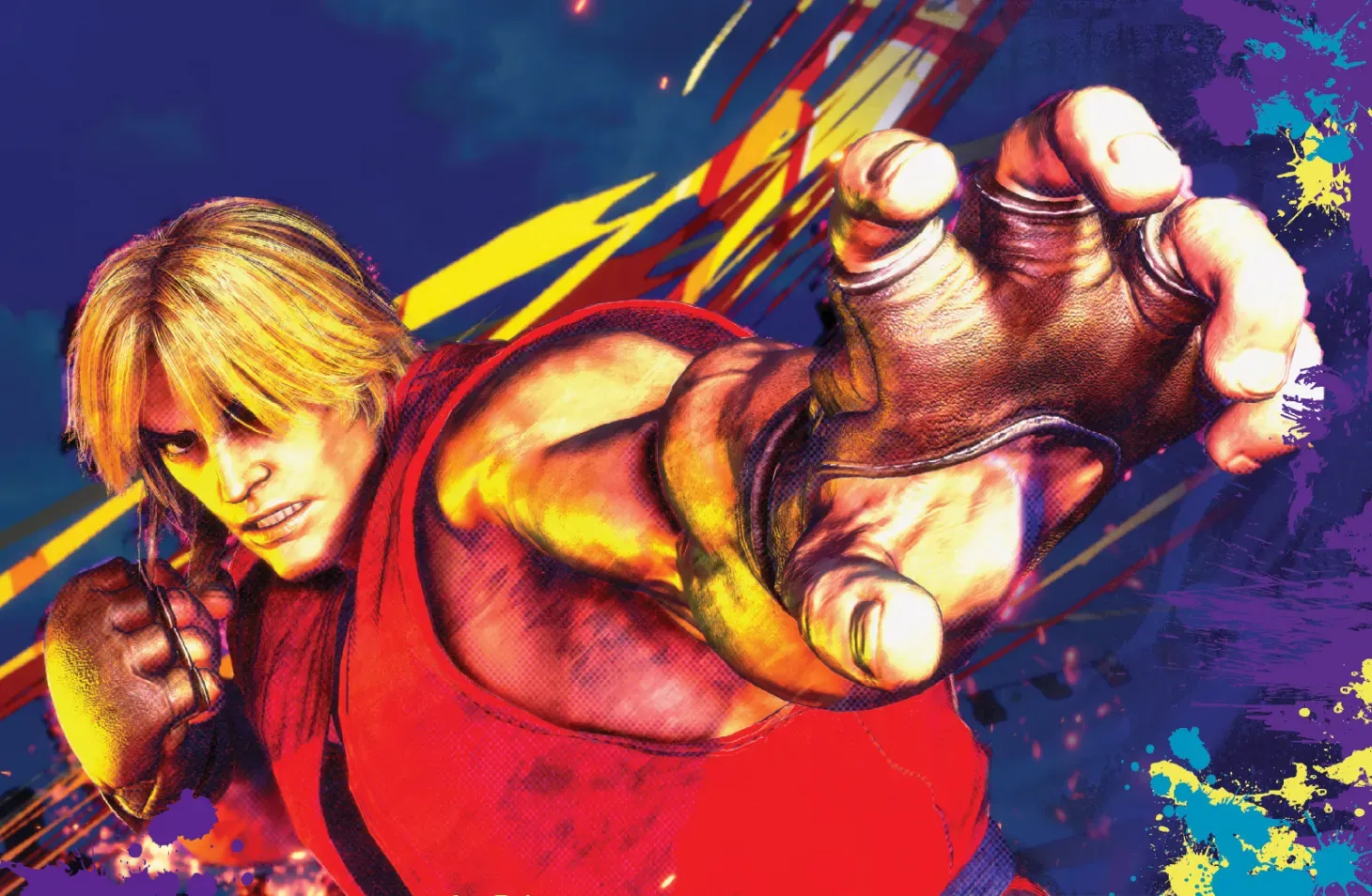

Shuhei Matsumoto says Street Fighter risked fading within a decade. Street Fighter 6 answered with Modern Controls, World Tour, and a reset aimed at new players without abandoning competitors.
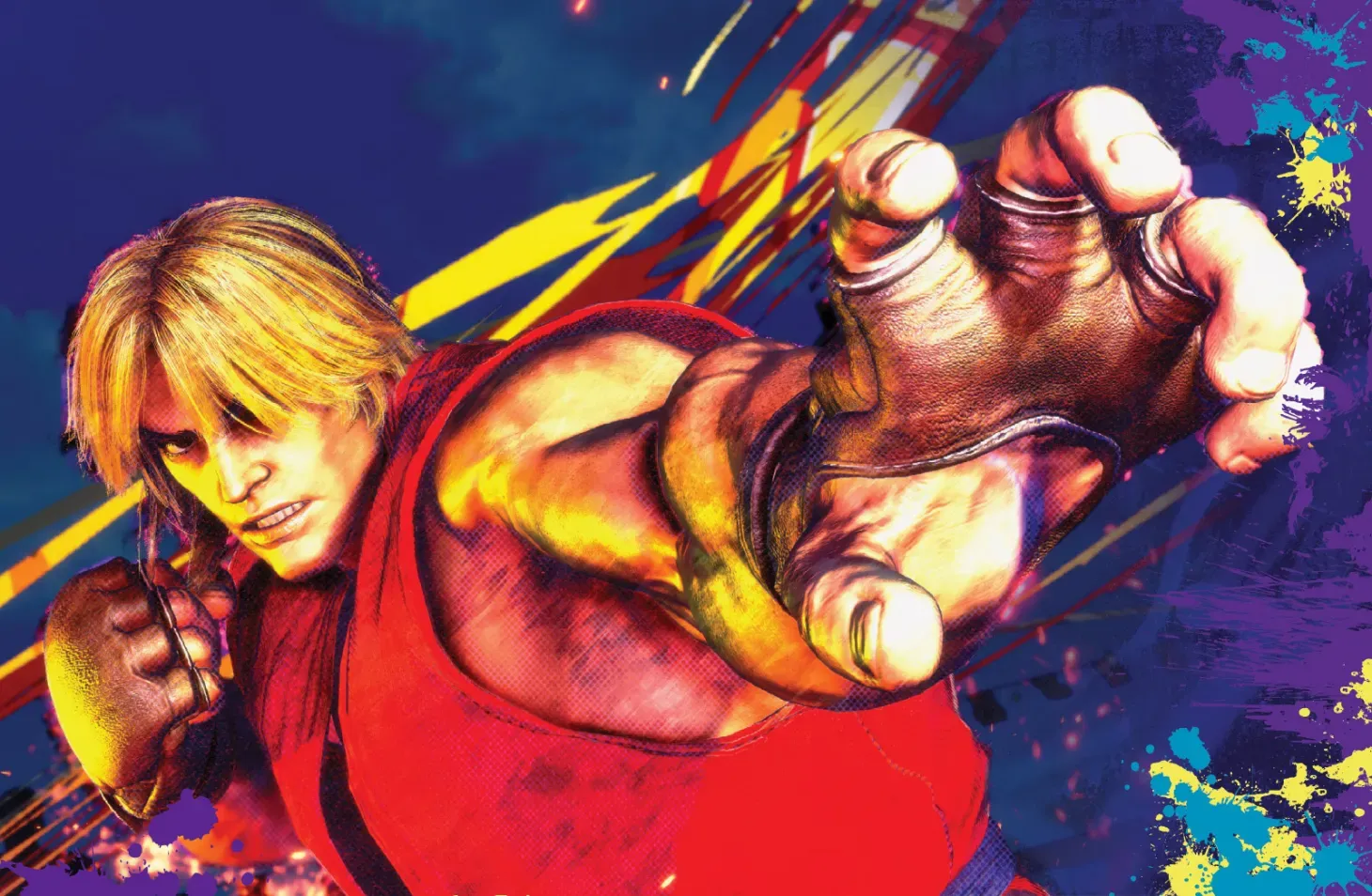
Image: gameinformer.com
Capcom saw Street Fighter aging out of its own future
Street Fighter 6 producer Shuhei Matsumoto has put unusually blunt language on Capcom’s internal alarm during the Street Fighter V era: if the company did not change course, he believed the Street Fighter IP could “die in 10 years.”
Matsumoto made the comment in an October 2026 interview with Karin Ohira, as reported by IGN and other outlets. Speaking about conversations with director Takayuki Nakayama during Street Fighter V, Matsumoto said the pair realized Capcom had to make a game that people would “get to know all over again and play again.” The problem was not that Street Fighter had lost name recognition. It was that recognition was no longer reliably turning into players.
That distinction is the core of the story. A fighting game can be famous, streamed, memed, and respected while still failing the most important test for a game company: getting people onto the stick, pad, or leverless. Matsumoto told Ohira that Street Fighter V’s player base was roughly 35 to 45 years old at the time. In his view, relying only on that group would not sustain the franchise, because those players would keep aging and might not keep the same level of passion forever.
For Capcom fighting games, that is a serious diagnosis. Street Fighter has always had a hard legacy problem. It is the series that shaped modern one-on-one fighting games, but that same legacy can make the front door feel heavy. Matsumoto’s comments frame Street Fighter 6 as a rescue plan built around a simple competitive truth: if the only people entering the bracket are the same people who already know the matchup chart, the scene is not growing.
Street Fighter V made the risk impossible to ignore
The current comments land harder because of Street Fighter V’s launch history. IGN describes Street Fighter V’s February 2016 release as a major stumble, citing player complaints that it felt unfinished, lacked basic elements such as arcade mode and story mode, and suffered from unstable netplay. Kotaku similarly points to missing content, a smaller initial roster, and problematic servers as reasons longtime fans criticized the game at launch.
Those were not minor presentation issues for a competitive franchise. Fighting games live on trust. Players need to believe the online environment is stable enough to practice, that the package respects solo and casual audiences, and that the competitive layer has a future. If a game opens weakly on those fronts, it asks its most loyal players to hold the line while giving new players fewer reasons to enter.
Matsumoto’s comments suggest Capcom viewed the danger as bigger than one rough release. According to IGN’s account of the interview, he said Street Fighter had become a “distant presence”: people knew the scene, but were not actually playing the game. That is a nasty whiff punish for a legacy series. Awareness without participation does not build training partners, ranked queues, local scenes, or future customers.
There is also a leadership context. IGN reports that Matsumoto stepped in as producer for Street Fighter V near the end of its lifetime after longtime series figure Yoshinori Ono left Capcom in 2020. Matsumoto and Nakayama then became central to the next direction. Based on Matsumoto’s own account, their job was not simply to make Street Fighter V’s sequel bigger. It was to reintroduce Street Fighter as if the modern audience did not already know why Ryu matters, how charge characters work, or why blocking is a skill.
Street Fighter 6 treated legacy as a liability, not a safety net
Matsumoto told Ohira, according to IGN, that the Street Fighter 6 team avoided overconfidence in the franchise’s historic reputation. His phrasing is important: Capcom decided to act as if the current generation did not know Street Fighter. That meant explaining who the characters are, how to play, and why someone starting games now should care.
That is a very different design posture from assuming the player already arrives fluent in quarter-circles, frame traps, wake-up pressure, and ranked etiquette. Street Fighter 6’s answer, as identified across the reports, was a broader structure around the core fighting game. GameSpot points to the team approaching development as if it were a brand-new fighting game, rather than leaning on the legacy of Street Fighter. The same report cites Modern Controls, World Tour mode, and closer incorporation of the fighting game community as major parts of the turnaround.
World Tour matters because it gives a curious player permission to learn without immediately being measured against a veteran in a first-to-two. It turns movement, character identity, specials, and basic combat into a longer-form on-ramp. That does not automatically create a tournament player, but it solves a real genre problem: fighting games often ask beginners to lose repeatedly before they even understand what question the opponent is asking.
Battle Hub, cited by Game Rant-style summaries and GameNGuide’s source text as part of Street Fighter 6’s welcoming structure, also fits this reintroduction strategy. It frames online play as a social arcade space rather than a cold menu of ranked anxiety. For a series born from arcades, that is a smart reuse of history. The old format becomes legible to players who did not grow up feeding coins into a cabinet.
Modern Controls widened the gate without deleting the game
Modern Controls were always going to be the flashpoint. GameSpot describes the scheme as designed to level the playing field, and GameNGuide characterizes Street Fighter 6’s broader changes as an effort to welcome new players without sacrificing competitive depth. That tension is the right one to watch, because execution has always been one of Street Fighter’s most visible skill checks.
From a player-development angle, Modern Controls attack the earliest friction point. A newcomer who cannot reliably perform a special move is not yet learning spacing, anti-airs, throw ranges, or punish timing. They are fighting the input parser before they fight the opponent. By lowering that barrier, Capcom created a route for players to reach the actual decision-making layer sooner.
The risk, from the competitive side, is obvious: if accessibility shortcuts erase too much execution, longtime players can feel that mastery has been devalued. The available source material does not provide Matsumoto’s full technical breakdown of Modern versus Classic balance, so it would be overreach to claim exactly how Capcom weighted every tradeoff here. What is supported is the strategic goal. Capcom wanted new players to try Street Fighter 6 while keeping the established audience engaged, and the reported reception of the feature set shows the company placed accessibility inside the same competitive ecosystem rather than building a separate beginner product.
That distinction is important for the Street Fighter future. Modern Controls did not ask Capcom to abandon ranked play, tournaments, legacy characters, or matchup depth. They gave players a different control interface within Street Fighter 6. For beginners, that makes the first ten hours less hostile. For competitors, it creates new matchup literacy demands. You still have to know when someone can check you, anti-air you, or threaten a reversal. The control scheme changes the input conversation, not the need to play clean neutral.
Capcom’s audience problem was cultural as much as mechanical
Matsumoto’s most revealing point is not only the age range of Street Fighter V’s audience. It is his concern that people knew about Street Fighter without playing it. That is a cultural problem for fighting games in the streaming era. A viewer can recognize Evo clips, parry highlights, character themes, and famous names while never joining a lobby.
Street Fighter 6’s audience strategy addressed that gap from several angles. Modern Controls reduced execution intimidation. World Tour gave solo players a reason to spend time with the game before facing human pressure. Battle Hub made online play feel like a place, not a spreadsheet. GameSpot also reports that the team incorporated the fighting game community more closely into the project, which matters because competitive players are the genre’s best teachers and harshest QA department.
The key is that Capcom did not appear to treat new players and tournament players as separate species. A healthy fighting game needs both. New players create the population that keeps matchmaking alive and gives locals fresh faces. Strong competitors create the tech, narratives, and aspirational ladder that makes improvement meaningful. If either side is neglected, the game loses tempo.
Street Fighter V’s early problems hurt that tempo. Street Fighter 6’s pitch, based on Matsumoto’s explanation and the features highlighted in the reports, was to make the first contact smoother while preserving a path toward serious play. That is the right kind of onboarding for a fighting game. The goal is not to protect players from losing. The goal is to make losses understandable enough that players come back with a plan.
The unanswered question is whether Street Fighter can keep converting spectators
The confirmed part is clear: Matsumoto says Capcom believed Street Fighter was at risk during the Street Fighter V era, especially because the active audience was aging and the wider public recognized the brand without necessarily playing it. Street Fighter 6 was built as a reset, with reported emphasis on Modern Controls, World Tour, Battle Hub, and a refusal to assume that legacy recognition would carry the series.
The less certain part is longevity. The source material supports the idea that Street Fighter 6 reenergized the franchise after its 2023 release, with GameSpot calling it a hit and pointing to a healthy audience and post-launch content. But Matsumoto’s original concern was a decade-scale problem. Solving the launch and onboarding challenge is one round, not the full set.
For players deciding where they fit, the guidance is straightforward. If Street Fighter’s reputation has kept you away, Street Fighter 6 was explicitly built for that problem. Start with the tools the game gives you instead of treating Classic execution as a purity test on day one. If you are a lapsed player from Street Fighter IV or V, the producer comments help explain why the game feels broader around the edges: Capcom needed the series to be understandable again. If you are already competitive, the useful takeaway is that the player pool matters. A wider gate gives you more opponents, more styles to solve, and a healthier future bracket.
Matsumoto’s warning should not be read as obituary drama. It is a production lesson. A fighting game franchise can lose by timeout if it confuses being known with being played. Street Fighter 6 was Capcom’s attempt to stop blocking with its face and take back its turn.