
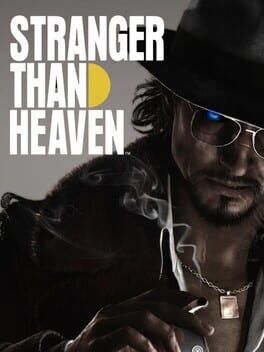
RGG Studio’s new Stranger Than Heaven trailer reveals a huge multi-era, multi-city structure that stretches from 1915 to 1965. Here is what five distinct periods of Japanese history could mean for combat variety, atmosphere, and how the game walks the line between Yakuza’s legacy and a new identity.
The latest “Five Eras” trailer for Stranger Than Heaven makes one thing clear: Ryu Ga Gotoku Studio is not just reskinning Like a Dragon in early 20th century costumes. This is a structural gamble on a scale the studio has never really attempted in a single game, and it raises as many questions as it answers.
Stranger Than Heaven spans five time periods – 1915, 1929, 1943, 1951, and 1965 – each anchored to a different Japanese city, with 1965 returning players to a formative version of Kamurocho. Across the trailer and Xbox Wire breakdowns, RGG keeps repeating the same idea: an epic, half‑century saga of men scraping against the underworld. Where Like a Dragon built its power by burrowing deep into a single neighborhood, Stranger Than Heaven looks set to skim across history itself.
Five eras, five cities, five different moods
RGG maps its eras roughly to Japan’s rapid modernization and wartime upheaval, and the trailer leans into that contrast. 1915 is thick with wooden storefronts and cramped alleyways, a country still shaking off the old order. By 1929, neon and nightlife begin to creep into the skyline. 1943 is all rations and uniformed soldiers, the streets dimmer and patrolled. 1951 shows a country in recovery, infrastructure rebuilding around scars that the game only has to hint at. And 1965, with its recognizable proto‑Kamurocho, finally feels like we are on the doorstep of Yakuza territory.
The obvious appeal is variety. Each era suggests different nightlife textures, different social rules, and different forms of crime for RGG to dramatize. A backroom gambling den in 1915 Osaka will not look or sound anything like a 1965 hostess bar in Tokyo, and the studio has a proven eye for time‑period detail. The trailer’s costume shifts alone are a promise: rough workwear and hakama in the early decades, crisp suits and patterned shirts as the years roll on.
The risk is the inverse of Like a Dragon’s biggest strength. Yakuza’s Kamurocho works because it is obsessive, a single city layered and relayered over dozens of hours and multiple games. Pacing, side stories, even combat encounters take on meaning because you are constantly looping the same streets. Stranger Than Heaven, by chopping its story into five slices of space and time, naturally sacrifices some of that depth for breadth.
What multi-era design could do for gameplay
Even from this early trailer, Stranger Than Heaven’s structure suggests a different rhythm for RGG’s usual action. Instead of one gradually expanding sandbox, the campaign may feel more like a chain of smaller open districts, each with its own mix of activities and combat flavors.
Mechanically, that opens the door for light era‑specific systems. A 1915 segment could lean into hand‑to‑hand scraps in tight courtyards and narrow alleys, where improvised weapons are literal tools and crates, and firearms are rare and shocking. By 1943, the presence of military police and wartime propaganda gives RGG new enemy archetypes and crowd behaviors to play with. In 1951 and 1965, cars and denser traffic invite different chase sequences and environmental hazards, closer to the modern Yakuza template.
Side content can also radically shift tone between decades. Longtime fans expect RGG’s signature blend of melodrama and absurdity, but the trailer hints that what “goofing off” means in each era may change. A silent‑film‑style minigame or early cinema side story fits 1915. Black‑market scheming and ration card hustles are natural in 1943. By 1965, you can easily imagine more familiar distractions reappearing in embryonic form: early karaoke, proto‑arcades, or vintage sports clubs.
If Stranger Than Heaven embraces that idea, the five‑era structure will not just be cosmetic. Each city could become a mechanical vignette, a snapshot of how violence, leisure, and survival feel at that moment in Japan’s history.
Atmosphere over routine: how history reshapes the RGG template
The Like a Dragon series succeeds partly because Kamurocho and its sister cities feel routine. You know where the convenience stores are. You know what time of night the punks come out. That lived-in repetition is powerful, but Stranger Than Heaven is clearly chasing something else: atmosphere that changes under your feet.
RGG’s art teams are quietly some of the best historical dramatists in the business. Judgment and Yakuza do not just show you bars and alleys; they sell the feeling of entire lives lived just off camera. Dropping that talent into five different periods pushes the team closer to historical fiction than ever.
Lighting, signage, street noise, and even the way crowds move can sell the passage of decades. An early‑century market street should sound mostly like human voices and hand‑pulled carts. By the sixties, engines, pop music, and loudspeakers crowd the soundscape. If the studio follows through, simply walking those streets between main story beats could be as compelling as any brawl.
That said, some Like a Dragon comforts may be dialed down. Rock Paper Shotgun already raised a key concern in its coverage: spreading the game across five cities may mean fewer chances to build that tight, intimate relationship with a single neighborhood. Stranger Than Heaven appears to be trading the intimacy of “your” alleyway for the sweep of “your” century.
How it connects to Like a Dragon without repeating it
The trailer’s marketing avoids directly calling Stranger Than Heaven a Yakuza prequel, but every frame is designed to reassure that fanbase. Kamurocho’s 1965 stand‑in is the most obvious bridge, a way of saying that this history lesson still flows into the streets fans know. The focus on male bonds forged through violence and loyalty is pure RGG, and the combat leans on the same flashy, timing‑heavy action that defined the pre‑Like a Dragon 7 era.
Tonally, the studio seems to be keeping its signature tightrope walk. The trailer cuts from operatic confrontation to stylish beatdowns in ways Yakuza fans will recognize, and even with limited footage you can see room for those absurd, humanizing side vignettes. This is not a grim, joyless historical epic. It is RGG doing history the same way it does contemporary crime drama: big, emotional, and willing to be silly in the margins.
The difference is scope. Like a Dragon games tend to define themselves by one protagonist’s relationship to one city, even when the series hops around Japan. Stranger Than Heaven, at least as presented here, defines itself by time. The protagonists stand less as avatars of a single town and more as through‑lines that carry the player from era to era. For longtime fans, that could feel refreshing instead of alien, provided RGG gives these characters the same interiority it once gave Kiryu and Ichiban.
Identity after the trailer: a new pillar or a one‑off experiment?
RGG has been quietly testing its boundaries for years, from Judgment’s detective flavor to Like a Dragon’s turn‑based reinvention. Stranger Than Heaven looks like the studio’s boldest swing at rethinking its own identity without abandoning what works.
As a structural experiment, the five‑era, five‑city layout sends a clear message: this is not just “Yakuza but older.” It is an anthology‑like crime saga that wants to show how underworld codes, masculinity, and survival tactics mutate across half a century of Japanese history. The question is whether that ambition can coexist with the dense side‑content and emotional focus that made Kamurocho legendary.
For now, the trailer plants smart seeds. It anchors the game in familiar combat and character intensity, then layers a historical epic on top. It promises variety without explaining away how players will meaningfully invest in each place before the story jumps forward again. That tension, between breadth and depth, is exactly what makes Stranger Than Heaven interesting in the wake of this reveal.
If RGG Studio can thread that needle, Stranger Than Heaven could become more than a fascinating detour. It might stand as a second pillar beside Like a Dragon: a series where the constant is not a single city, but the way its creators chronicle the changing face of Japan itself.