
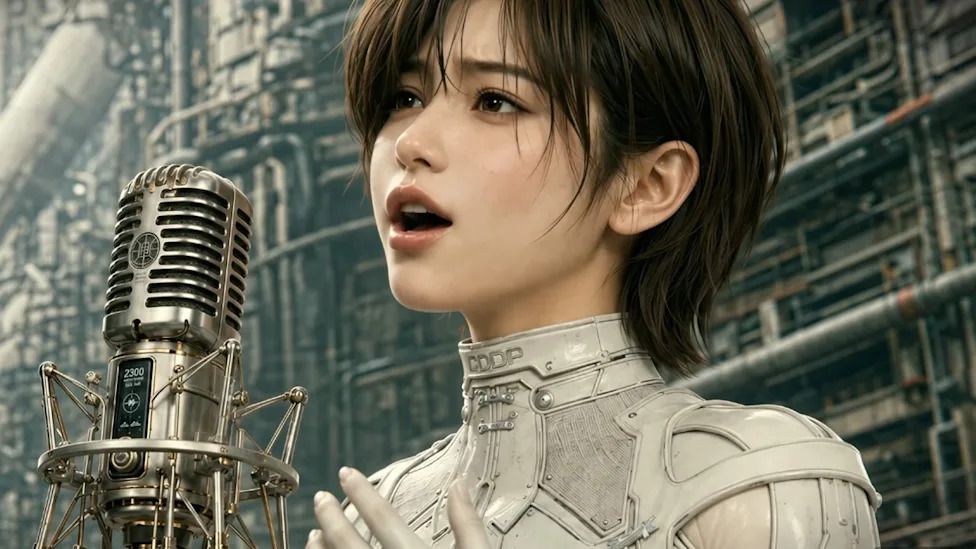

Shift Up says Evie was created by its artists, but the Stellar Blade: Blood Rain AI music video backlash is about more than character design.
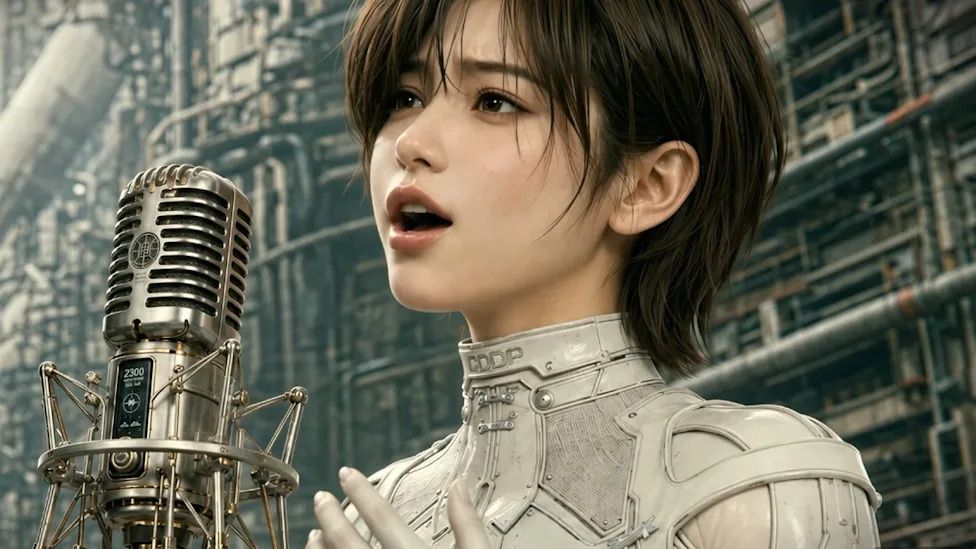
Image: yahoo.com
Shift Up’s defense puts Evie at the center of the argument
Shift Up CEO Kim Hyung Tae has responded to criticism of the AI-generated music video for Stellar Blade: Blood Rain, saying the new protagonist Evie was created by the studio’s own artists and modelers over more than a year of work. The response, posted on X and reported by Push Square, Eurogamer, and IGN, is the first direct Shift Up AI response to a backlash that began almost as soon as the video for “Wanna be in Love” appeared on the studio’s official YouTube channel on July 31.
Kim’s core defense is that the AI did not invent Evie. In the statement quoted by multiple outlets, he said: “EVIE, the character at the heart of this video, was created from head to toe by our talented artists and modelers through more than a year of dedicated work. The AI is not creating her from scratch. It is rendering and presenting the character based on the data, designs, and craftsmanship our team created. We would truly appreciate it if you could view the work with that understanding in mind.”
That answer clarifies one important point: according to Shift Up’s CEO, Evie’s design is a human-made asset, not an AI-generated character concept. It also exposes the gap between the studio’s defense and the player complaint. The Stellar Blade backlash has not been limited to whether Evie exists because of generative AI. Much of the anger is aimed at the decision to use generative AI to animate, render, or present a major promotional beat for an action sequel whose appeal depends heavily on precision, polish, and authored style.
What the Blood Rain music video actually disclosed
The video in question is a K-pop-styled promotional clip for Stellar Blade: Blood Rain featuring Evie singing and dancing to “Wanna be in Love.” IGN reported that the video was published to Shift Up’s YouTube channel on July 31 and that the small print at the end states: “This video was created using the game resource from Stellar Blade: Bloodrain and regenerated with AI support.” IGN also noted the presence of Shift Up’s A.I. Labs logo.
Polygon reported that the video description disclosed the use of AI and said that “sounds or visuals were altered or fully generated.” Game Rant similarly reported that YouTube warns some sounds or visuals were altered or fully generated, while also noting that Shift Up has not detailed which individual elements were produced using AI.
That lack of specificity matters because the criticism has split across several visible problems. IGN cited fans pointing to facial changes and visual inaccuracies. Eurogamer described graphical warping, a soft-blurred look, and lyrics it called nonsensical. Polygon described poor lip-syncing and an uncanny sheen. Push Square described uncanny facial expressions and visual inaccuracies. None of those observations prove anything about Blood Rain’s gameplay or final cinematic production, but they do explain why a piece of marketing meant to build confidence instead became a showcase for the term “Stellar Blade AI slop.”
Players are not convinced by the “artists made Evie” explanation
Kim’s statement defends the people who designed Evie, and that is an understandable instinct from a studio led by an artist. The issue is that many critics are not denying that Shift Up has talented artists. The pushback is that generative AI can take a strong character design and make it look unstable, cheap, or visually inconsistent, especially in a music video built around face, posture, rhythm, and movement.
IGN reported that some fans argued the AI treatment did the character a disservice by distorting Evie’s appearance and making the team’s art look worse. Push Square reported that one of the company’s biggest fan accounts asked, “Where’s the artistry from a company founded and run by artists?” before saying it felt “profoundly disappointed.” IGN’s earlier report on the video quoted players comparing it to AI-generated ads and worrying about whether this approach could extend to the game’s cutscenes.
There is also a separate ethical concern that Kim’s reply does not fully address. Push Square’s update argued that if the AI solution was trained on broader uncredited reference material, fans are unlikely to accept an answer focused only on Evie’s original model and art. That is Push Square’s interpretation, not a confirmed fact about Shift Up’s tools. The confirmed fact is narrower: Kim says Evie’s design came from Shift Up artists, and AI rendered and presented her based on studio-created data, designs, and craftsmanship. What remains unconfirmed is the training source, scope, and exact workflow behind the generative system used for the video.
Blood Rain is being introduced through an AI debate before its game details are clear
Stellar Blade: Blood Rain is still early enough in its public life that this music video is carrying more weight than a side promotion normally would. Game Rant reported that Blood Rain was formally revealed during Summer Game Fest 2026, with Evie introduced as a new protagonist distinct from Eve, the lead of the original Stellar Blade. The same report said the sequel appears to retain the series’ sci-fi action and dystopian setting while moving into a denser city with Asian metropolitan influence.
The practical facts remain limited. Game Rant reported that Blood Rain has no confirmed release date and that Shift Up has not publicly finalized platforms. Eurogamer also reported that the game currently has no release date, while saying it seems players could expect it sometime in 2027. That phrasing is important: a 2027 window is an expectation reported by Eurogamer, not a confirmed launch date from Shift Up in the provided source material.
Polygon added another business-context wrinkle, reporting that the original Stellar Blade was published by Sony Interactive Entertainment, while Blood Rain is being published by Shift Up instead of Sony. Polygon also said it is unclear whether Sony authorized certain references visible in the AI video, including a Sony camera at the end. Those are reported observations, not a full picture of publishing, licensing, or platform strategy. The larger point is that Blood Rain’s public identity is still forming, and AI is now part of that identity before Shift Up has locked down many of the details players usually look for first.
Kim’s broader AI position makes this feel less like a one-off experiment
The reaction is sharper because Kim has already framed AI as a strategic tool for Shift Up. Eurogamer reported that earlier in the year he described the technology as “essential” for studios that want to compete with Chinese developers. In that interview, according to Eurogamer, Kim said 80 percent of Shift Up’s revenue comes from overseas and that the first opponent the company encounters abroad is Chinese games. He contrasted Shift Up putting about 150 people on a single game with China investing 1,000 to 2,000 people, saying the company lacks the capability to compete in quality or quantity of content on manpower alone.
IGN’s coverage of those earlier comments similarly reported Kim’s argument that AI could help smaller-nation developers compete with the scale of studios in China and the United States. That business argument is straightforward: use automation to increase output when headcount cannot match bigger rivals. It is also exactly why some players are wary. If AI is presented as a production multiplier, fans start asking where the line is between support tool, replacement pipeline, and public-facing creative shortcut.
Shift Up has not said, in the provided sources, that the AI music video represents Blood Rain’s in-game cutscenes, combat animation, character performance, or final art pipeline. Readers should keep that distinction clear. At the same time, the video was released by the official channel, used the new protagonist, carried A.I. Labs branding, and was defended by the CEO. That combination makes it difficult for players to treat it as an isolated accident with no bearing on the studio’s direction.
For an action sequel, shaky motion is a serious marketing problem
Stellar Blade’s reputation rests heavily on the feel of motion: the cut of an attack, the snap of a dodge, the readable timing between threat and response. A music video is not combat footage, but it still asks players to believe in a character’s physical presence. When viewers see warped faces, inconsistent models, soft focus, or weightless movement in a showcase built around Evie Stellar Blade imagery, the damage is less about one awkward trailer and more about trust in authorship.
That is the tension Kim’s statement does not resolve. Saying artists made Evie protects the concept art and modeling team from one accusation. It does not explain why the studio chose a process that, according to several outlets’ descriptions of the video, visibly undermined the character’s presentation. In a cinematic action game, presentation is part of the promise. Players read a trailer’s rhythm the way they read a boss windup: if the timing feels artificial, confidence drops.
There is room for AI-assisted production to exist without players rejecting a game outright, but the Blood Rain reaction shows disclosure alone is not enough. Fans are asking about quality, labor, training data, artistic control, and whether the studio sees generative AI as a background tool or a front-facing creative identity. Shift Up has answered only part of that. Until it shows Blood Rain through conventional gameplay, authored cutscenes, or a clearer breakdown of how AI is and is not being used, the Stellar Blade Blood Rain conversation will likely keep circling back to this video.
What readers can safely take away right now
The confirmed news is that Shift Up released an AI-supported music video for “Wanna be in Love,” featuring Blood Rain protagonist Evie, and CEO Kim Hyung Tae defended it by saying Evie was created by the studio’s artists and modelers over more than a year. The confirmed backlash is widespread across YouTube comments, Reddit, X, and coverage from outlets including IGN, Push Square, Eurogamer, Polygon, and Game Rant, with criticism focused on the video’s AI look, apparent inconsistencies, and the broader ethics of generative AI in game marketing.
The unresolved questions are the ones players should watch next. Shift Up has not, in the supplied reports, published a granular breakdown of which parts of the music video were generated, altered, or rendered with AI. It has not clarified the training data behind the AI tools used in the video. It has not confirmed Blood Rain’s release date, final platforms, price, or technical targets in the provided source material. It also has not said that this music video reflects the final game’s cinematics or gameplay pipeline.
For now, the safest reader guidance is to treat the Blood Rain music video as an official promotional signal, not as proof of the game’s final quality. If your concern is the combat sequel itself, wait for direct gameplay and in-engine presentation before drawing a final conclusion. If your concern is Shift Up’s use of generative AI, Kim’s response confirms the studio is defending the approach rather than distancing itself from it. That is why the Shift Up AI response has not cooled the backlash: it answers who designed Evie, while many players are asking why AI was trusted to sell her in the first place.