
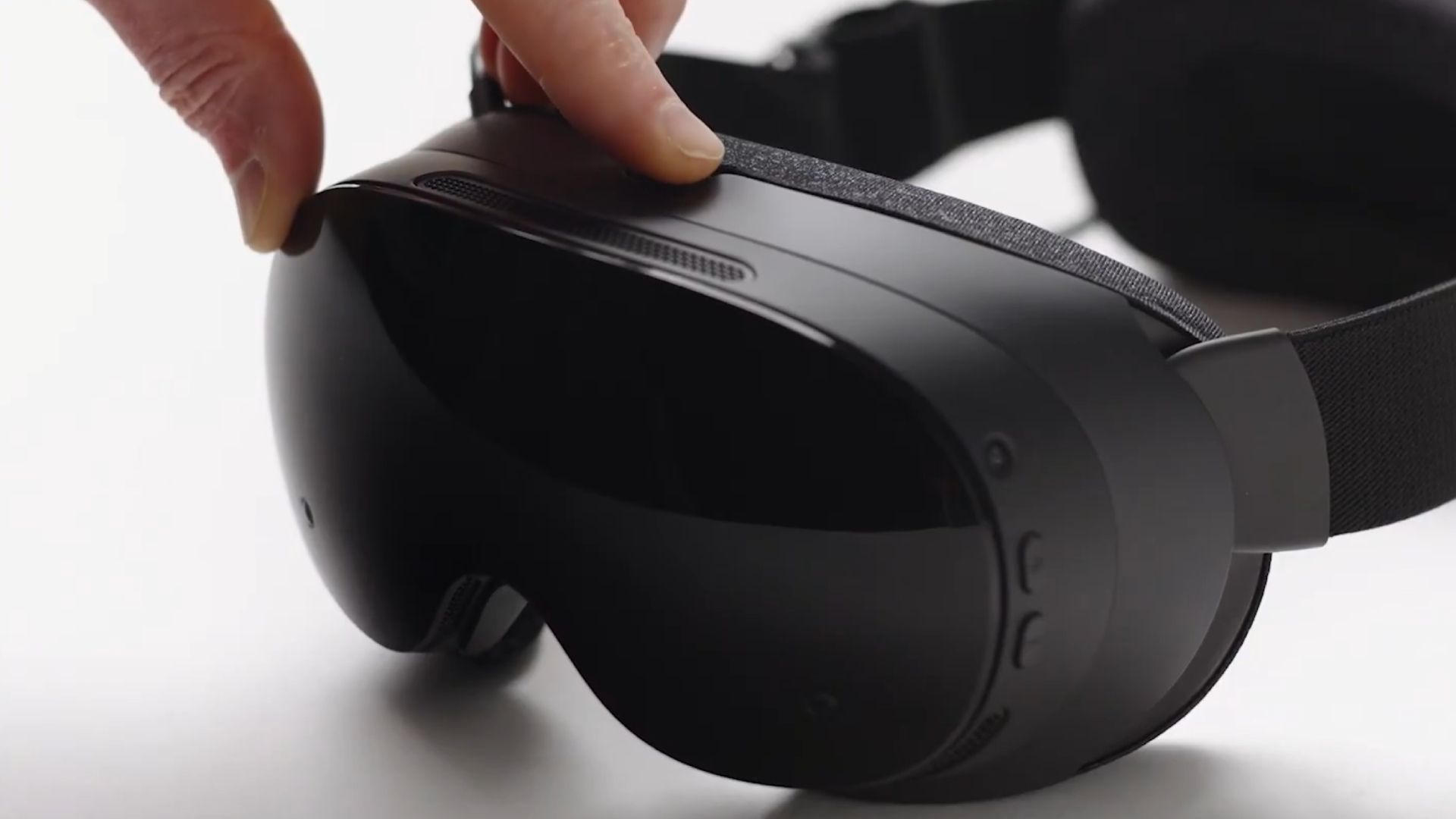

Valve’s SteamOS 0.4.3 beta claims up to 12% better Steam Frame battery life across streaming and local play, but the gain depends on frame rate, content, and beta readiness.
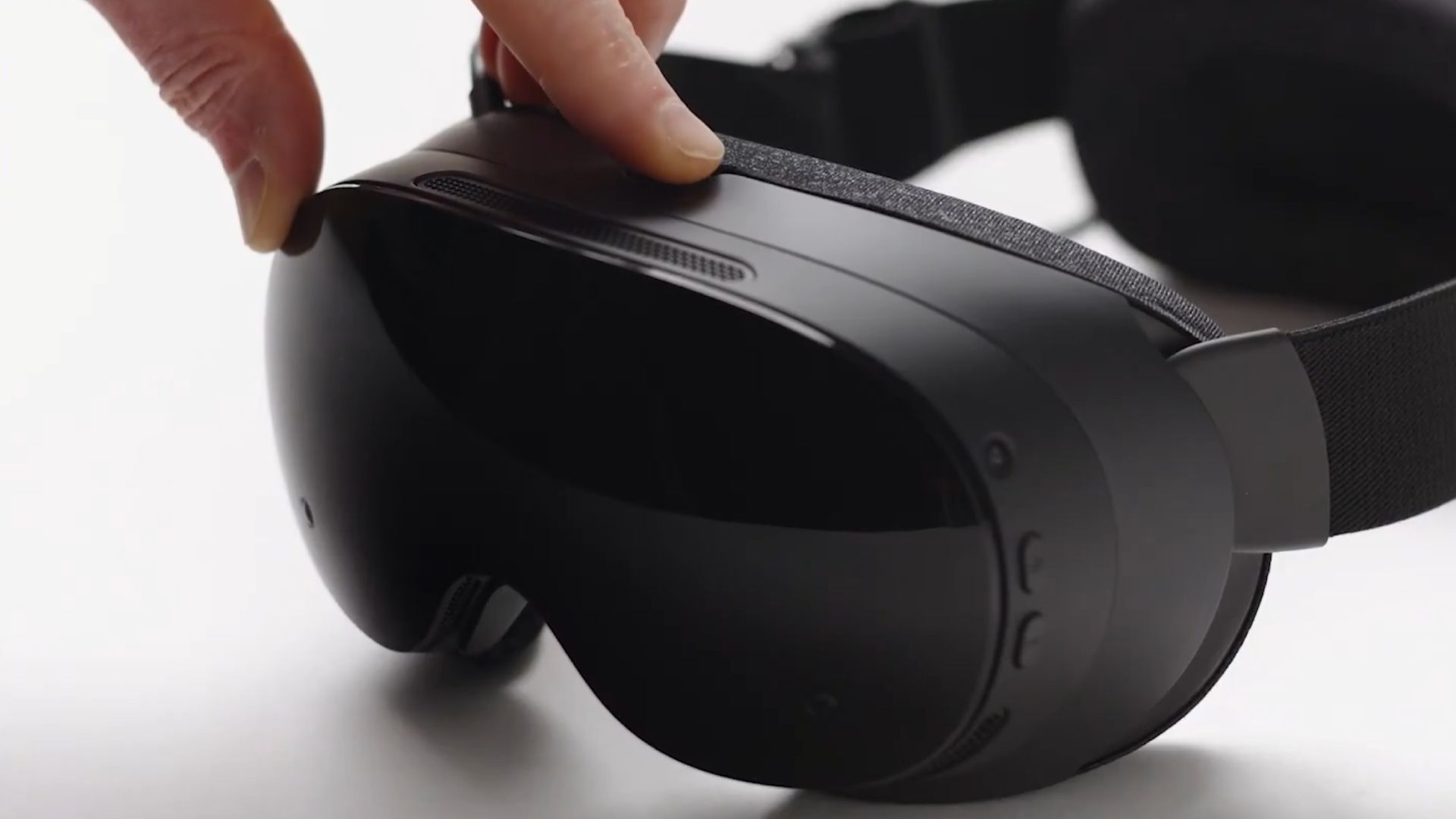
Image: pcguide.com
Valve’s new beta targets the headset’s weakest round timer
Valve has pushed SteamOS 0.4.3 beta for Steam Frame, and the headline change is power. According to Valve’s Steam Frame update notes, the beta improves power efficiency and battery lifetime during both streaming and local gameplay, with gains of up to 12%. Valve also warns that results vary depending on frame rate and content, which is the key caveat for anyone hoping the update turns the headset into an all-night device.
That tension is the real story. Steam Frame battery life is one of the most practical limits on early adoption, especially for players using the headset for longer PC VR sessions or local games where performance targets are part of the experience. A double-digit efficiency claim is meaningful, but it is still a beta-channel change, not a final stable release, and Valve has not published a per-game battery table or a fixed minutes-per-charge estimate.
The SteamOS 0.4.3 beta is available through the Steam Frame Beta channel. GamingOnLinux reports that users need to opt in through Settings, then System, then System Update Channel. Notebookcheck also notes that the changes are being tested through the beta channel before any move to stable, so cautious users have a real decision to make: chase the battery gain now, or wait for Valve to finish validation.
The 12% claim is useful, but it needs the right read
Valve’s wording matters. The company says SteamOS 0.4.3 can deliver battery life gains of up to 12%, and it applies that improvement to both PC streaming and local gameplay. That is broader than a fix for one narrow use case, since Steam Frame owners may split time between local ARM64 SteamOS play and streamed PC VR. VideoCardz reports that Steam Frame runs an ARM64 version of SteamOS on a Snapdragon 8 Gen 3 processor with 16GB of LPDDR5X memory, so power draw can come from several places: the headset’s display workload, tracking, wireless behavior, local compute, and streaming reliability.
The “up to” language keeps the claim grounded. High frame rate VR content, busy scenes, and streaming conditions can all change the draw. A slower-paced experience may benefit differently than something that keeps the headset, sensors, wireless link, and host pipeline working hard. From a competitive player’s angle, that matters because frame rate is rarely optional in VR. If you are chasing responsiveness, you are also asking the battery to keep up.
Club386 gives one useful benchmark from its own Steam Frame review context, stating that the headset’s 21.6Wh cell can drain in just over 90 minutes in demanding circumstances and can reach around two hours under lighter workloads. Those are Club386’s review figures, not Valve’s SteamOS 0.4.3 estimate. Still, using them only as rough math, a full 12% lift would be roughly 11 extra minutes on a 90-minute session or about 14 minutes on a two-hour session. That is not a new battery class. It is an extra round, a cleaner finish to a mission, or less pressure to dock between sessions.
Streaming fixes may be as important as raw battery life
SteamOS 0.4.3 is not only about the battery meter. Valve’s notes, as reported by GamingOnLinux and VideoCardz, include further VR streaming reliability improvements and additional fixes for “Error 17.” Valve says users should also opt into SteamVR 2.18.2 or later on the PC to reduce those Error 17 connection issues. At the time of the SteamOS 0.4.3 beta release, GamingOnLinux notes that SteamVR 2.18.2 was available on the SteamVR beta branch.
That requirement is easy to miss. If the headset is on SteamOS 0.4.3 but the host PC is still running an older SteamVR build, Valve’s own guidance says the Error 17 reduction may not land properly. For early adopters, the upgrade path is really two-sided: headset beta channel on Steam Frame, SteamVR beta or newer on the PC.
This is where Valve’s update has practical value beyond the headline battery number. A VR headset can have enough charge and still lose the session if the stream misbehaves. A reliable connection preserves pacing, which is everything in fast games. No one wants their headset treating a tense push like a dropped packet test. Steam Frame’s promise depends on the handoff between local hardware and PC streaming feeling boringly consistent, and SteamOS 0.4.3 is another step toward that target.
The smaller fixes hit real early-adopter friction
Valve also lists a new accessibility option for eye tracking. SteamOS 0.4.3 adds “Track Dominant Eye Only” under VR Settings, then General, after enabling advanced settings. Notebookcheck reports that this lets users limit eye tracking to one eye. The sources do not state how broadly this changes performance, comfort, or compatibility, so it should be read as an accessibility and configuration option rather than a confirmed battery trick.
Controller bindings also get attention. Valve says the beta fixes an issue that prevented controller bindings from loading for certain games, including Google Earth VR and Thumper, according to GamingOnLinux and Notebookcheck. That kind of bug sounds small until it hits a game you actually want to play. For a new VR platform, control reliability is table stakes. If bindings fail, the session is over before the first room, level, or track has a chance to prove itself.
The update also improves focus behavior when interacting with grab and resize handles. Again, that is not a flashy patch note, but VR interfaces live or die by small interactions. Menus, windows, handles, and focus states are the pre-match warmup of a headset. If they feel sloppy, the whole device feels less ready, even when the game itself is running fine.
Wireless adapter fixes point to a global hardware rollout problem
Valve says SteamOS 0.4.3 fixes Steam Frame wireless adapter connectivity issues that affected users in some countries. The company does not explain which countries were affected or the exact cause, based on the provided release reporting. Club386 speculates that geography could relate to use of a personal 6GHz band and notes that such use is unlawful in some places, including China, but that is Club386’s interpretation rather than a Valve-confirmed explanation.
The confirmed part is simpler: Valve says some users in some countries had wireless adapter connectivity issues, and SteamOS 0.4.3 beta includes a fix. For a streaming-heavy headset, that is a big practical category. The wireless adapter is part of the play experience, not an accessory you think about only during setup.
This also shows the normal ugly edge of launching new gaming hardware across regions. Regulations, wireless behavior, software defaults, and local compatibility can turn into real user problems. Steam Frame is still early enough that Valve is moving fast through beta updates, with GamingOnLinux noting SteamOS 0.4.1 and 0.4.2 beta releases in September before this 0.4.3 update arrived on October 2, 2026.
Should Steam Frame owners install SteamOS 0.4.3 beta now?
If Steam Frame battery life is your biggest complaint, SteamOS 0.4.3 beta is the update to watch. Valve’s claim of up to 12% better battery life across both streaming and local gameplay is the strongest confirmed improvement in this release. The catch is that it is still a beta, and Valve’s own note says the result depends on frame rate and content.
For players already comfortable with beta software, the upgrade path is clear from GamingOnLinux’s reporting: opt into beta updates through Settings, System, and System Update Channel. If your main issue is PC VR streaming, also follow Valve’s guidance and move the host PC to SteamVR 2.18.2 or later, since Valve specifically ties that version to reducing Error 17 connection issues.
If your headset is stable and you rely on it daily, waiting for the stable channel is reasonable. Notebookcheck notes that beta-channel updates are tested first before Valve moves them to stable. Valve has not announced a stable release date for SteamOS 0.4.3 in the supplied material, and it has not provided a game-by-game battery chart. Early adopters who want every efficiency gain can jump in. Everyone else should track reports and wait for the patch to clear beta without new tradeoffs.
Steam Frame’s early story is becoming a software race
The SteamOS 0.4.3 beta does not change the basic limits of a compact VR headset. A battery efficiency gain of up to 12% will not erase the need for charging discipline, external battery thinking, or future accessory options. Club386 argues that larger battery changes may depend on alternative headstrap-based battery designs, and says Valve has already said it is looking into modular batteries for Steam Frame. That sits outside this beta’s confirmed impact, but it frames the ceiling of software-only gains.
What SteamOS 0.4.3 does show is Valve attacking the pressure points that shape early hardware reputation: battery life, streaming reliability, controller bindings, eye-tracking options, and wireless compatibility. Those are the things that determine whether a headset feels ready when players put it on, especially in games where dropped focus, bad bindings, or a failed stream cost the whole session.
For now, the cleanest read is this: Valve Steam Frame owners on the beta channel can test a meaningful power efficiency update today, but the best-case number is conditional. The Steam Frame update is promising because it targets both endurance and reliability at once. It is also unfinished business until Valve ships it broadly, explains the real-world range of the battery gains, and proves the fixes hold across the messy mix of games, frame rates, countries, and PC setups that early adopters are already throwing at it.