
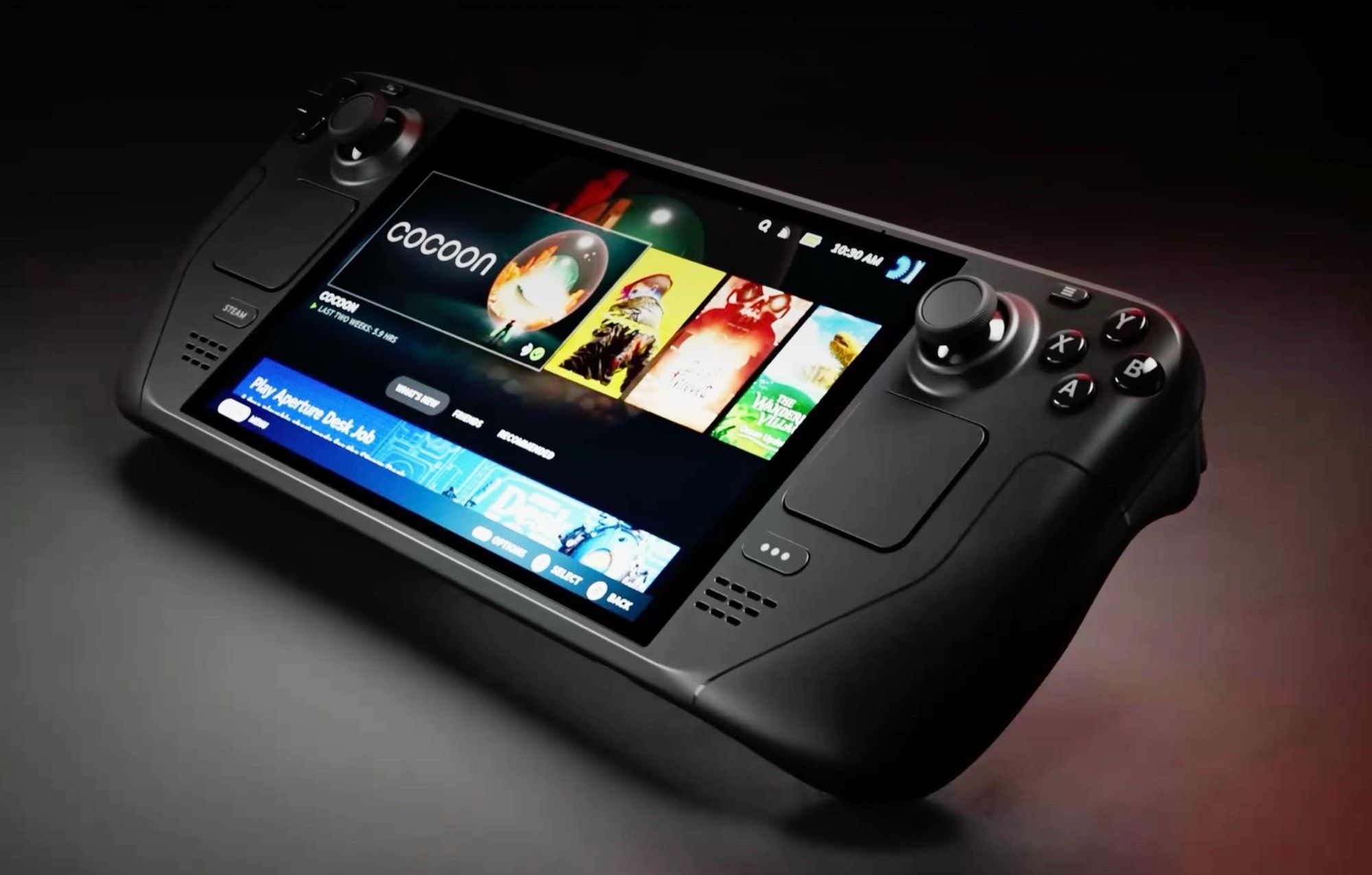

Valve says its Steam Deck 2 goals have not changed despite rising RAM costs, but the successor still lacks a release window, specs, and a confirmed price.
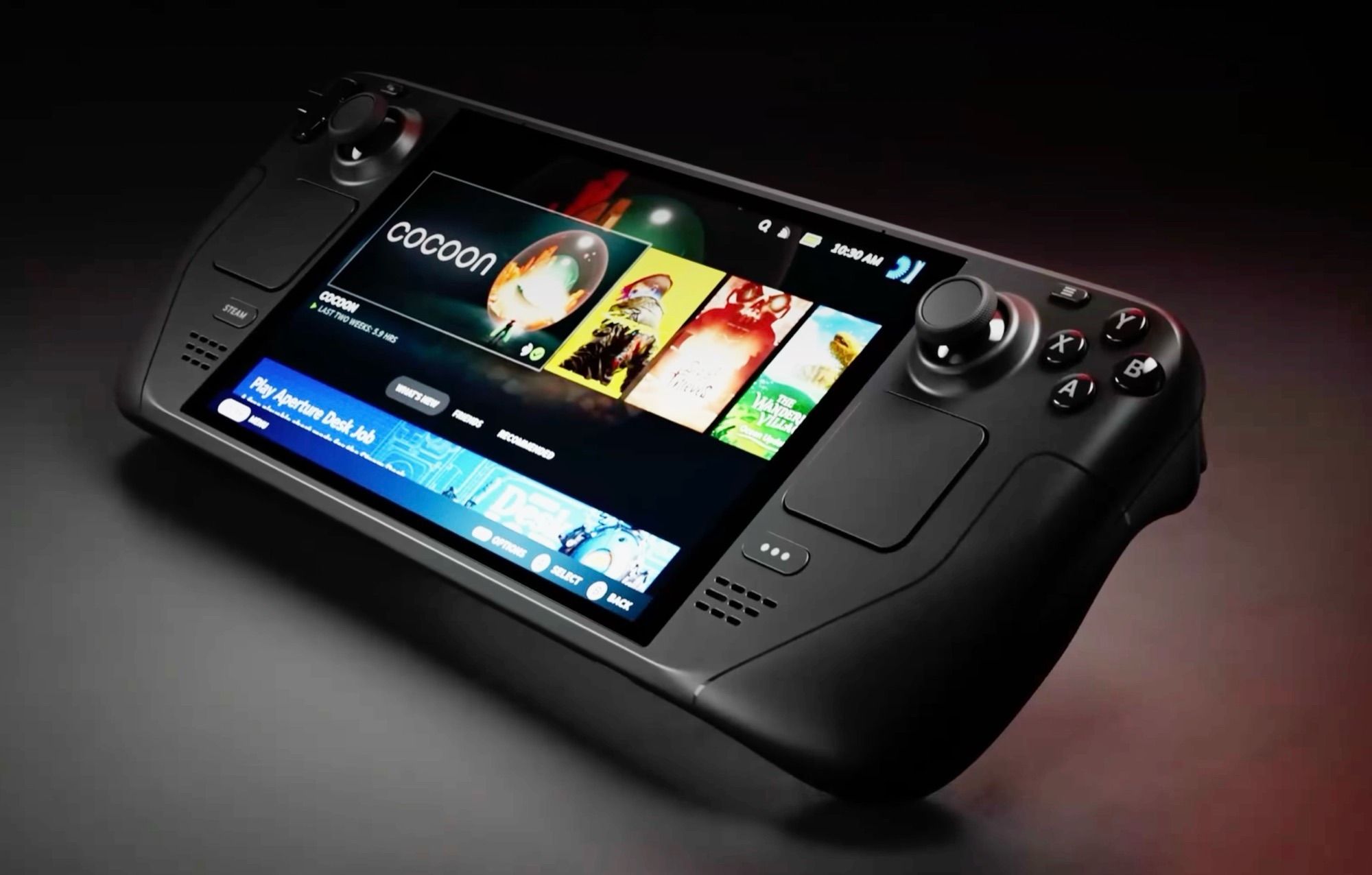
Image: tbreak.com
Valve’s Steam Deck 2 target has not moved, but the market around it has
Valve has told IGN that the ongoing RAM crisis has “not really” affected its plans for Steam Deck 2, keeping the company’s stated strategy intact even as memory and storage costs put new pressure on gaming hardware prices. That is the strongest confirmed development here: Valve is still working toward a Steam Deck successor with the same broad product goals, according to software developer Pierre-Loup Griffais, but it has not announced a release date, specifications, or price.
Asked by IGN whether rising RAM prices had changed Valve’s plans, Griffais said Valve is “still looking at it in the same way.” He pointed back to the company’s earlier position that a future Steam Deck needs a “very delineated performance improvement” before Valve ships it. He also said the company is looking at “current conditions” to decide “how and when” it can deliver that kind of product.
That wording is important. Valve did not say Steam Deck 2 is immune to component economics. It said the plan has not changed. The plan, as Valve has described it across multiple IGN interviews and as Kotaku recapped, is to wait for a true generational step rather than launch a faster handheld simply because newer parts exist. The tension is that a better chip, more memory, and a stronger display pipeline only solve half the equation. A Valve handheld also has to make sense at a price players will accept.
For buyers watching the Valve Steam Deck successor, the news is reassuring but limited. It confirms continuity in Valve’s design philosophy. It does not confirm that Steam Deck 2 is close, cheap, or locked for any particular year.
Valve is still treating a generational leap as the real launch condition
Valve’s public line on Steam Deck 2 has been consistent: the company wants a major performance gain without losing the battery-life and efficiency balance that defined the original handheld. Kotaku cited Valve saying in 2024 that it wanted to wait for “a generational leap in compute without sacrificing battery life” before shipping the real second generation of Steam Deck. VideoCardz similarly reported that Valve has repeatedly said a new model needs enough extra performance while preserving battery life and efficiency.
That explains why the Steam Deck 2 question cannot be answered by pointing to every new handheld PC with a faster processor. IGN noted that several more powerful handheld gaming PCs have reached the market since Steam Deck launched, often at moderate to significantly higher prices. In strategy terms, those systems prove that higher performance is possible. They do not prove that Valve can hit the Steam Deck’s original value proposition with a successor.
The original Steam Deck built its identity around an unusual balance: console-like convenience, PC library access, and handheld battery limits. A successor that delivers a small uplift at a large premium would risk breaking that balance. Valve’s “very delineated performance improvement” language suggests the company wants the next model to feel unmistakably different in real games, not merely better in benchmark tables.
That is the practical reason the Steam Deck 2 timing remains opaque. Valve is waiting for the point where performance, efficiency, memory capacity, storage, thermals, and pricing line up. The RAM crisis does not appear to have changed that destination, according to Griffais. It may still affect how long the road feels for buyers.
The RAM crisis is already showing up in hardware prices
The concern around the Steam Deck 2 RAM crisis is not abstract. Multiple outlets in the provided source material report that memory and storage prices have already affected Valve hardware. Notebookcheck reported that the 512GB Steam Deck OLED rose from $549 to $789, while the 1TB OLED model increased from $649 to $949. VideoCardz reported the same price movement and said Valve attributed those increases to higher memory and storage costs, with no hardware change attached to the price hike.
That is the clearest warning sign for Steam Deck 2 price expectations. If the current Steam Deck can become substantially more expensive without receiving new hardware, a next-generation model with newer silicon and likely higher memory demands would enter a tougher pricing environment. VGC also reported that Valve’s Steam Machine launched in 2026 at over $1,000 and that Valve said this was “significantly more” than it originally wanted to charge. VGC and Kotaku also noted that Steam Frame, Valve’s VR headset, costs over $1,000 for the cheaper model in the US.
Those prices do not tell us what Steam Deck 2 will cost. Valve has not announced that. They do, however, show the pressure around Valve’s 2026 hardware slate. A handheld PC is especially sensitive to component pricing because its bill of materials has little room to hide. RAM, storage, custom silicon, screen, battery, cooling, casing, controls, and logistics all compete inside a device that players expect to be portable, reliable, and cheaper than a premium gaming laptop.
For readers trying to forecast the Steam Deck 2 price, the safest conclusion is that “plans unchanged” should not be read as “price protected.” Valve’s product target can remain intact while the eventual retail price, launch configuration, or timing stays exposed to the wider component market.
Unchanged plans do not equal an imminent reveal
Valve has not announced when it will reveal or release Steam Deck 2. VGC stated that it is unknown when Valve may announce or release the handheld. IGN’s reporting also frames the device as something Valve is still working toward rather than a product with a public window. Notebookcheck mentioned prior rumors of a 2028 release window, but also noted that nothing is confirmed.
That distinction matters for anyone deciding whether to wait. The only confirmed signal is that Valve’s goals for the Steam Deck 2 remain similar despite the RAM crisis. A rumored 2028 target remains a rumor. No official model names, chip specifications, memory configuration, display details, battery size, launch territories, or store page have been provided in the source material.
Griffais’ “how and when” phrasing leaves Valve flexibility. It can keep developing the user experience and product concept while waiting for market conditions to improve, hardware to mature, or pricing to become workable. From a platform strategy perspective, that is rational. Valve does not need to match every Windows handheld refresh cycle if its goal is to preserve Steam Deck as a long-term SteamOS device category rather than chase annual spec races.
There is also a trust cost to moving too early. Steam Deck owners bought into a platform that benefits from OS updates, compatibility work, and developer optimization. A rushed successor could split attention while failing to create a strong upgrade reason. Valve’s current messaging suggests it would rather let the first-generation ecosystem keep aging than ship a second-generation device that feels like a mid-cycle correction.
The upgrade decision depends on need, not rumor timing
For current Steam Deck owners, Valve’s latest comments do not create a clear upgrade deadline. If your existing Deck still runs the games you care about at settings you accept, there is no confirmed Steam Deck 2 date to plan around. Waiting makes sense for players who want a major performance step, better efficiency, or a more future-proof handheld, but the wait could be long because Valve has not committed to a window.
For new buyers, the calculation is harder because reported current OLED prices are much higher than their earlier levels. Notebookcheck and VideoCardz both reported large increases for the 512GB and 1TB Steam Deck OLED models. If those prices apply in your region and budget is tight, the current Deck’s value proposition may be weaker than it was before the memory price surge. That does not make it a bad device, but it changes the opportunity cost of buying now.
The sensible buyer strategy is to separate two questions. First, do you need a handheld PC soon for your existing Steam library, travel, couch play, or lower-power PC gaming? If yes, evaluate the current Steam Deck against its actual current price and alternatives available where you live. Second, are you waiting specifically for Steam Deck 2? If yes, understand that the only official guidance is philosophical: Valve wants a clear generational improvement without sacrificing the balance that made the Deck work.
That leaves no perfect move. Buying now may mean paying inflated hardware prices. Waiting may mean spending another year or longer with no official announcement. The stronger your need today, the less useful an unannounced successor becomes. The more optional the purchase, the more sense it makes to let Valve and the memory market reveal their next move.
The bigger question is whether Valve can preserve the Deck’s value identity
Steam Deck 2 is becoming a test of Valve’s hardware discipline. The company’s advantage has never been raw speed alone. It has been the ability to tie Steam, SteamOS, Proton compatibility, controls, suspend-and-resume convenience, and pricing into a handheld that feels coherent. The RAM crisis threatens the pricing side of that equation at the same time that players expect the successor to deliver a cleaner experience with tougher modern games.
IGN’s report captures the heart of the tradeoff: Valve’s target has not changed, but the correct performance-to-price ratio is still the hurdle. VGC, Kotaku, Notebookcheck, VideoCardz, and Steam Deck HQ all point to the same core fact from Valve’s IGN interview: the company says the RAM shortage has not derailed its Steam Deck 2 plans. The surrounding evidence from current Steam Deck OLED pricing, Steam Machine pricing, and Steam Frame pricing shows why that answer does not end the conversation.
A future Valve handheld could still arrive with the generational leap Valve wants. It could also arrive later or at a higher price than early Steam Deck buyers hope. Both possibilities fit the confirmed record because Valve has not promised timing or affordability. It has promised, through repeated comments, that the successor should feel like a real second generation.
Until Valve announces the Steam Deck 2 directly, buyers should treat every date, price, and spec claim as unconfirmed. The confirmed story is narrower and more useful: Valve’s successor strategy remains in place, RAM and storage prices are already affecting hardware costs, and the next Deck will likely be judged less by whether it is faster than today’s model than by whether it can still make handheld PC gaming feel like a smart buy.