
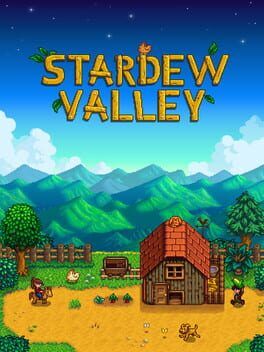
Using Stardew Valley’s 10th‑anniversary broadcast as a lens, we look back at Eric Barone’s early prototypes, the long road from doubt to global success, the reveal of two new 1.7 marriage candidates, and how constant free updates and mods have kept the cozy farming sim thriving in 2026.
A decade on the farm
Ten years after Stardew Valley quietly launched in 2016, Eric “ConcernedApe” Barone marked the anniversary with a 23‑minute broadcast that felt less like a marketing beat and more like a time capsule. It walked through awkward early builds, tiny art breakthroughs, and a slow realization that this Harvest Moon–inspired side project had turned into something players wanted to live in.
The anniversary video is framed as a retrospective plus a teaser for what is next. Barone narrates footage of Stardew’s earliest prototypes, recaps the wave of free updates that reshaped the valley, then closes with a quick look at two new marriage candidates arriving in update 1.7. It is a snapshot of why Stardew Valley is still a pillar of the farming‑sim boom in 2026, not a relic of it.
From rough prototype to modern classic
In the anniversary broadcast, early footage shows just how small and brittle Stardew once was. Tiles are flat and muddy, character sprites are stiff, and the UI looks like a hobbyist’s first draft. Barone talks over these clips, explaining how he rebuilt systems and art again and again until they felt right.
He has been candid in interviews about how uncertain he felt when development began. Speaking to PC Gamer about that period, he recalled expecting the game to bounce off the very fans he was trying to reach, saying that he was convinced Harvest Moon players would hate his take and that he constantly second‑guessed himself. That doubt is easy to forget now that Stardew has sold millions of copies and sits at the heart of cozy‑game culture.
What comes through clearly in the broadcast is how iterative the project was. Early mines footage looks closer to a basic roguelike than the tactile, moody caverns players know today. Farming layouts are sparse, almost clinical, until Barone starts layering in handmade details: rough‑edged paths, wind‑tossed crops, lighting that lets evening settle over the farm. The video shows the moment Stardew stops looking like a spreadsheet with soil and starts looking like a place.
The long tail of free updates
The broadcast spends a chunk of time walking through the game’s major updates, and it is worth remembering how many of Stardew’s defining features were not in the original release. Co‑op, new farm layouts, the expanded desert, late‑game perfection goals, new festivals, and entire questlines all arrived as free updates spread across the decade.
Barone’s commentary in the anniversary video has the tone of someone paging through an old sketchbook. He calls out specific additions that meant a lot to him personally, like the way 1.5’s Ginger Island turned into a second act for veteran players, and how the broader cast reworks helped side characters feel less like shopkeepers and more like neighbors.
That pattern continues into 1.7. The anniversary broadcast does not dwell on every detail but it reinforces the same philosophy that has guided Stardew since launch: the game is never just getting “content packs.” It is being tended, pruned, and expanded like the farms inside it.
Two new hearts to win in 1.7
The headline tease at the end of the anniversary video is the reveal of two new marriage candidates coming in update 1.7. The segment is brief, but it lands with the weight of a new expansion for a community that has spent years theory‑crafting spouse tier lists and rewriting the valley’s love stories in fanfiction and mods.
Barone frames the new candidates as a way to give long‑time players fresh stories without sidelining the original cast. The broadcast emphasizes that these are not cameo‑tier additions. They come with full heart events, new dialogue that threads into the wider town, and post‑marriage life that aims to feel as reactive as the existing relationships.
The choice to add more romance options a decade in says a lot about how Barone views Stardew’s future. Rather than building a clean sequel and leaving Pelican Town behind, he is still looking for ways to make the existing world feel newly inhabited. For a game that so many players treat as a comfort space, adding more people to know and care about might be the most meaningful kind of update.
Stardew’s place in the farming‑sim boom
Since 2016, the cozy and farming‑sim space has exploded. Major publishers now chase that audience, indies launch new life sims every month, and the phrase “Stardew‑like” pops up constantly in store descriptions. In that crowded field, it would be easy for Stardew to fade into background nostalgia.
Instead, the anniversary broadcast underlines how current it still feels. Part of that is the cadence of free updates, which keep tempting lapsed farmers back to check on their fields. Part of it is how flexible the core design has proven to be. Whether you approach it as a management puzzle, a romance game, a dungeon crawler, a decorating sandbox, or a quiet fishing sim, there is still room to stretch.
The other factor is cultural. Stardew became one of the first big modern comfort games, and that identity has only deepened over ten years. When players talk about going “home” to a game, Stardew is one of the first names they mention. The anniversary video lands as a thank‑you note to that audience, and a quiet assertion that Pelican Town is not going anywhere.
Why the anniversary matters
Anniversary events often feel like clip shows. Stardew’s broadcast feels more personal. Barone is not just rolling highlight reels of sales numbers and ports, though the game’s expansion onto new hardware, including the recent Switch 2 release, gets a nod. He is walking through some of the missteps too, including not‑quite‑there prototypes and overcomplicated systems that had to be scaled back.
That openness is part of why the retrospective works. It shows a version of Stardew that is anything but inevitable, shaped by years of solitary work, community feedback, and a willingness to ship big changes for free instead of saving them for a sequel. In an era where many live‑service games shutter in a few years, the idea of a single‑purchase, offline, no‑DLC farming sim getting better for a full decade feels almost rebellious.
The 1.7 teases, especially the new marriage candidates, turn the video from a victory lap into a pivot point. It suggests that the “endgame” for Stardew is not about wrapping things up neatly. It is about continuing to surprise the people who sunk hundreds of hours into their save files years ago.
Sidebar: Essential Stardew Valley mods to try in 2026
After ten years, one of the biggest reasons Stardew Valley stays fresh is its mod scene. If you are playing on PC in 2026, there are a few foundational additions that transform the experience without breaking the game’s cozy rhythm.
The first is a modern loader and framework like SMAPI, which has become the backbone of the entire mod ecosystem. Once installed, it opens the door to huge quality‑of‑life improvements. Map and interface overhauls can make daily planning more intuitive, showing crop timers, NPC schedules, and festival dates in‑game instead of sending you to a wiki. Visual refresh mods subtly re‑shade tilesets, update portraits, or add seasonal decorations so the valley feels like it evolves over the years.
For players who have already “seen it all,” content‑expansion mods are key in 2026. Popular community packs add new locations on the fringes of the map, extra festivals, and entirely new NPCs with heart events, giving veteran farmers reasons to start from year one again. Crucially, the best of these mods understand Stardew’s tone and pacing. They slot into the existing world instead of trying to turn it into a different game.
Finally, there are the small, surgical tweaks that are easy to underestimate. Mods that streamline tool upgrades, adjust controller support on PC, or fine‑tune fishing difficulty can make the game feel newly approachable for friends discovering it in 2026. In combination, these additions keep Stardew feeling alive between official patches, echoing the same spirit of careful, player‑first iteration that the 10th‑anniversary broadcast celebrates.
Looking toward year eleven
The closing message of the anniversary broadcast is simple: Stardew Valley is not done growing. With update 1.7 on the horizon, two new marriage candidates waiting to move into town, and a thriving mod community continuing to experiment at the edges, Pelican Town feels less like a finished game and more like an ongoing story.
A decade ago, Barone worried that fans of classic farming sims would reject his tribute. Today, the broadcast stands as proof that he helped redefine the entire genre. Stardew Valley’s 10th anniversary is not just a milestone for a single game. It is a reminder that a carefully tended world, updated over years instead of reset by sequels, can stay relevant long after most trends move on.