
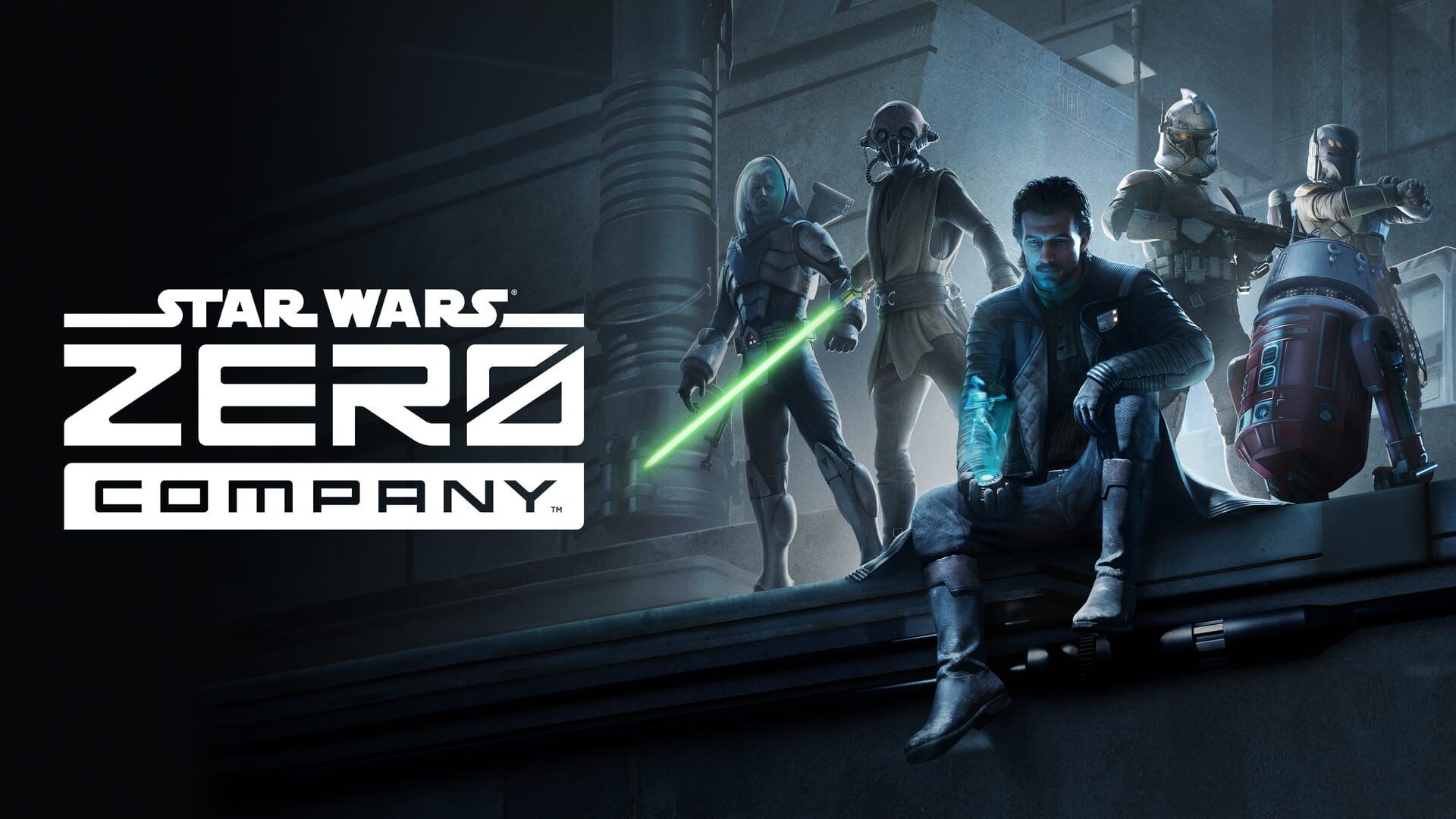

Respawn and Lucasfilm backing Star Wars Zero Company as a turn-based tactics game says a lot about where strategy fits inside mega-licenses today, and what publishers are willing to risk for something new.
Star Wars Zero Company is quietly one of the most intriguing projects on the horizon, not just because it is another big-budget Star Wars game, but because of the genre it is choosing to occupy. Bit Reactor’s debut is a single player turn based tactics game, a style that usually lives comfortably in the mid-budget PC space rather than under one of entertainment’s loudest brands. The fact that Respawn Entertainment and Lucasfilm are backing that pitch right now says a lot about how both the Star Wars license and strategy games are evolving.
Bit Reactor’s founder Greg Foertsch has been clear about where the credit lies. In recent interviews he has pointed directly at Lucasfilm and Respawn for being willing to take a chance on a tactics project at a time when he describes the wider industry as increasingly derivative. His argument is simple. It would have been far easier and safer for a publisher and a license holder to demand something closer to a known formula, whether that is a first person shooter, a cinematic action adventure, or a live service project. Instead, they greenlit a slower paced, turn based tactics title built by a new studio.
Genre fit is where this decision becomes especially interesting. Star Wars has dabbled in strategy before with games like Empire at War and various mobile offerings, but the modern licensed Star Wars slate has leaned heavily on action and spectacle. Tactics games reward planning, positioning, and long term thinking. They invite players to live in the consequences of a single bad move instead of simply respawning and trying again. That slower, more methodical rhythm can feel at odds with how major brands are usually presented, yet it may actually be a better fit for the fantasy of commanding squads, planning assaults, and living inside a military campaign in a galaxy at war.
Zero Company’s pitch lets Star Wars play to strengths that blockbuster action games tend to rush past. A small unit of soldiers can be properly characterized across a long campaign. Missions can be framed as operations with briefing, execution, and debrief rather than a blur of set pieces. Turn based structure naturally supports that kind of storytelling because it gives players the mental space to think about who is on the field rather than only what is exploding around them. In that sense, choosing tactics is less a genre curveball and more an attempt to lean into the war part of Star Wars in a grounded way.
For Respawn, whose reputation has been built on kinetic shooters like Titanfall and Apex Legends and the third person action of Jedi: Fallen Order, embracing a partner studio focused on tactics signals a broader creative ambition. Respawn is not developing Zero Company directly, but they are a crucial champion inside Electronic Arts’ structure. Foertsch’s comments suggest that Respawn used its internal clout to argue that a slower, more cerebral game attached to a major license is worth the risk. Coming from a studio known for silky movement and instant feedback, that is a notable endorsement of the idea that Star Wars can support multiple play styles without diluting its identity.
It also points to how Respawn sees its role evolving inside EA. Rather than being just a maker of hit games, the studio is increasingly a curator and shepherd of projects inside the wider Star Wars portfolio. Supporting a tactics game from a new studio means betting not only on a genre that is usually niche at AAA scale, but also on long term variety as a strength of the brand. If Zero Company succeeds, it strengthens the argument that Star Wars can be a platform for different interpretations instead of a single template repeated forever.
Lucasfilm’s position in all of this is just as telling. Foertsch has praised the company for having vision and conviction in allowing a tactics focused pitch to move forward. Major IP holders usually default to what is proven. Strategy games, even brilliant ones, rarely reach the same sales numbers as open world action titles or multiplayer shooters. Marvel’s Midnight Suns, which some Bit Reactor staff worked on during their time at Firaxis, is a recent cautionary tale. Critically acclaimed, mechanically rich, and built on one of the biggest brands in the world, it still struggled to become a breakout commercial hit.
That context makes Lucasfilm’s sign-off more significant. Approving a turn based tactics project acknowledges that there is more value to a license than chasing the single largest possible audience every time. It is a signal that cultivating different corners of the fan base, including those who want slower campaigns and tactical depth, matters even if those games will never match the circulation of a mainline action blockbuster. When Foertsch talks about courage, he is talking about greenlighting a project that does not obviously map onto current top sellers but instead trusts in the strength of the universe and the appetite of its fans.
Taken together, the comments from Bit Reactor’s founder sketch a picture of publisher appetite for strategy games inside major licenses that is cautious but not closed. Strategy and tactics are still seen as a risk when attached to huge IP, because history shows that critical praise does not guarantee mass market sales. At the same time, Respawn and Lucasfilm’s backing of Zero Company suggests an emerging belief that variety and depth can be a competitive advantage for big franchises. Rather than treating strategy experiments as outliers, they are starting to look like necessary parts of a broader ecosystem where players can engage with a universe in different ways.
Zero Company also lands at a moment when tactics games are enjoying a kind of quiet resurgence. From XCOM’s revival to indie hits and licensed experiments, there is a clear audience willing to show up for turn based tactics when the systems are strong and the fantasy is compelling. Aligning that with Star Wars could be the bridge that pulls more players into the genre. If commanding a squad in a galaxy far, far away becomes someone’s first tactics experience, publishers may find that the supposed niche is bigger than they assumed.
Foertsch’s praise for Respawn and Lucasfilm reads as genuine gratitude, but it also serves as a kind of case study the rest of the industry will watch. If a new studio can ship a tactics heavy Star Wars game and find success, it becomes much easier for other developers to walk into pitch meetings with strategy centered ideas built on major licenses. If it stumbles, it will reinforce the caution that already hangs over the genre at the highest budget tiers. Either way, Star Wars Zero Company has already done something important by existing. It has moved the conversation about what big IP games can be, nudging publisher expectations a little further away from pure derivation and a little closer to genuine experimentation.
In that sense, the tactics gameplay is only part of the story. The other part is about trust. Respawn is trusting Bit Reactor to deliver on a genre outside its own comfort zone. Lucasfilm is trusting that Star Wars is strong enough to support a slower, more thoughtful experience. Players who care about strategy games inside major franchises have a real stake in how this experiment turns out, because the outcome will shape how often publishers are willing to take similar chances in the years ahead.