
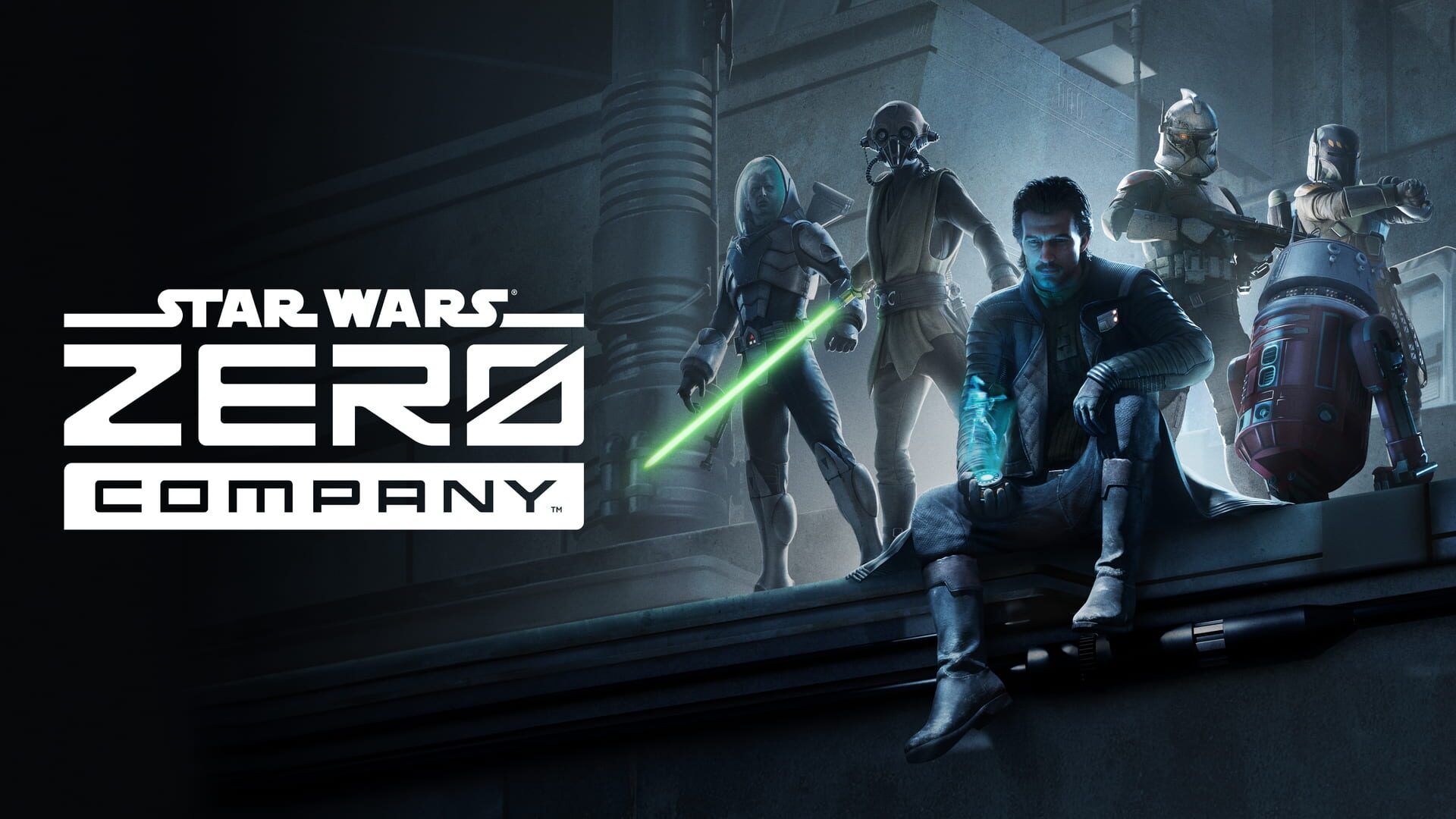

Permadeath, turn-based tactics, third-person exploration, and heavy XCOM, Fire Emblem, and Mass Effect influences are turning Star Wars Zero Company into one of the most intriguing strategy projects the series has seen in years.
Star Wars strategy games have usually played things safe. Even the greats, from Empire at War to classic RTS spin offs, rarely asked you to risk anything more than a few faceless troopers on the way to another power fantasy. Star Wars Zero Company looks determined to break that pattern.
Bit Reactor’s upcoming turn based tactics game is drawing direct inspiration from XCOM, Fire Emblem, and Mass Effect, then wrapping it all in a gritty Clone Wars story that has more in common with Andor and Rogue One than Saturday morning cartoons. The result, based on early details, is a Star Wars game where you do not just lose units. You lose people, storylines, and opportunities, and you have to live with what is left.
A Star Wars tactics game built on loss, not power
Zero Company is set during the Clone Wars, but it is not interested in retelling familiar battles. You lead an elite squad under a customizable commander called Hawkes, dropped into messy operations against both Separatist forces and a mysterious Dark Side cult that can weaponise the Force through ordinary soldiers.
From the outset, the design is about pressure. Combat plays out in classic turn based fashion, but enemy abilities can stack if you do not prioritize the right targets. Leave the wrong unit alive and you might not just take more damage next turn. You might watch an entire encounter tilt out of your control as buffed up foes snowball.
Layered on top of that is the game’s defining feature: real, unforgiving permadeath. Clones and allies can die or be taken permanently off the board by accumulated injuries. This is not limited to nameless grunts or random recruits. Handcrafted squadmates with bespoke arcs, personalities, and dialogue can be lost forever if you misjudge a push or refuse to extract.
The goal is not cruelty for its own sake. Bit Reactor describes this as a way to show you what is on the other side of the experience: a Star Wars story where you feel the attrition of war, where heroism and survival are not guaranteed, and where your campaign looks meaningfully different from someone else’s.
Fire Emblem style consequences in a Star Wars war story
If permadeath sounds familiar, that is because Zero Company is taking cues from Fire Emblem’s most famous tension. In Nintendo’s series, victory in battle often tastes bitter when it costs a beloved unit that will never return. Here, Bit Reactor wants that same knot in your stomach, translated into blaster fire, walkers, and Force warped cultists.
Losing a trooper in Zero Company is not just a mechanical setback. Storylines can be severed mid arc. Conversations you were building toward may never happen. Potential romances or friendships, if the Mass Effect comparisons hold, might die with the person who would have carried them. The campaign adapts by closing doors instead of tidily rewriting fate.
This approach stands out in a Star Wars context. The wider franchise has always acknowledged sacrifice, but the games tend to keep your favourite characters wrapped in plot armour. Here, the design asks you to accept that some of your best soldiers, and some of the most interesting viewpoints on the Clone Wars, might simply not make it.
That Fire Emblem style of consequence does something crucial for a tactics game. Every move on the grid carries emotional weight. A risky flank to save a pinned ally is no longer just optimal play. It is a question of whether you are willing to stake a character’s entire future arc on a 65 percent shot.
Third person exploration and the Mass Effect connection
Between missions and firefights, Zero Company shifts gear into third person exploration. Instead of living exclusively on isometric battlefields and abstract menus, you walk around hubs and locations as Hawkes, talk to your squad, and poke at the edges of the war.
This is where the Mass Effect DNA is most obvious. Squadmates are not just stat blocks or assets to be deployed. They are characters you interact with directly, build relationships with, and potentially clash with. Over time, those relationships can develop into bonds or tensions that affect both dialogue and combat.
A pair of troopers who get along may fight better together. Someone who resents your leadership might be slower to follow risky orders, or might have their own perspective on a mission you cannot ignore. These dynamics promise a campaign that is not just about optimal builds, but about managing a fragile family of soldiers under impossible strain.
Crucially, those Mass Effect style arcs exist under the constant shadow of permadeath. You might spend hours slowly unpicking a clone’s doubts about the war, only for a single unlucky shot to end that story before it finds resolution. Rather than designing against that outcome, Zero Company embraces it as core texture.
XCOM pressure with a Star Wars twist
Underneath the relationships and exploration, the tactical core leans heavily into XCOM like pressure. Missions play out on battlefields full of cover, elevation, and overlapping threat ranges. You are constantly weighing the value of pushing objective play against the risk of exposing your limited squad.
The twist comes from how the Star Wars setting is being used. Enemy types are not just health bars in different armour. That Dark Side cult element lets Bit Reactor justify all sorts of nasty modifiers and synergistic abilities. Encounter design can ask you to pick apart buff chains, focus down dangerous cult leaders, or disable empowered troops before they overwhelm you.
The game’s injury system deepens that XCOM style stress. Surviving a mission might still mean going home with long term wounds that influence availability or effectiveness in the short term. You are never fully resetting to a pristine, perfect squad. Instead, you are managing a roster that bears scars, both literal and psychological.
When combined with the Mass Effect inspired social layer and Fire Emblem style loss, that tactical rhythm starts to look very different from a typical licensed tie in. Every shot you take sits at the intersection of squad synergy, long term campaign health, and the personal stories you are trying desperately to keep alive.
A strategy layer that forces hard choices
Zero Company does not stop at mission to mission tactics. It spreads that harsh decision making across a galaxy map that operates on a cycle system. Time passes, crises flare up, and you cannot be everywhere at once.
Choosing to respond to one hotspot might mean ignoring a distress call elsewhere. Skipping certain operations can strengthen enemy forces in that sector, generating tougher missions later or letting the Dark Side cult entrench itself. On the flip side, letting a situation simmer might unlock unexpected opportunities down the line.
This structure recalls XCOM’s world map tension but folds it into a more authored Star Wars narrative. You are not just watching coloured bars fill and drain. You are deciding which worlds and people you can afford to protect, and which you are willing to abandon in the faint hope of a better long term outcome.
For strategy fans, that is where Zero Company starts to look genuinely special. It is not just another grid based tactics game with a Star Wars skin. It is a campaign template where your story is defined as much by what you failed to do, and who you failed to save, as by your biggest victories.
Why Zero Company could be the most interesting Star Wars strategy game in years
Taken together, these systems paint a picture of a game that is far more ambitious than a simple “Star Wars XCOM” pitch. The Fire Emblem inspired permadeath, the Mass Effect style third person exploration and relationship building, and the XCOM grade tactical pressure all work toward a single goal. They want you to feel the cost of every decision.
For players, that means a Star Wars campaign where your attachment to the squad is constantly in tension with your need to win. You might keep an underperforming veteran on the team because you cannot bear to bench them. You might retreat from a winnable battle to save a wounded favourite. Or you might harden, embracing the cold logic of the war and letting the story twist itself around the casualties.
Star Wars games have rarely trusted players with this level of authorship over the emotional shape of a campaign. Zero Company looks ready to change that. If Bit Reactor can pull it off, this could become the definitive Star Wars tactics experience, not because it makes you feel like an unstoppable Jedi hero, but because it finally shows what it costs to fight in a galaxy at war.
Star Wars Zero Company is currently slated for release in 2026 on PC, PlayStation 5, and Xbox Series X|S.