
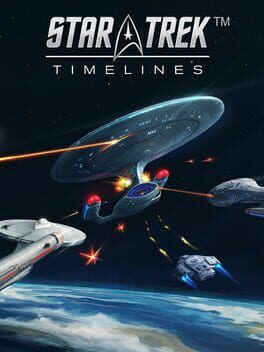
Breaking down the massive Borg‑themed anniversary patch, how Star Trek Timelines has evolved across a decade, and whether now is the right time for lapsed captains to return.
Star Trek Timelines quietly did something very loud for its 10th birthday: it dropped one of the biggest overhauls in the game’s history. For a licensed mobile RPG that started life in the height of the 2010s gacha boom, the anniversary patch is less a content drop and more a statement about how to keep a live service afloat for a decade.
If you have not checked in since the Disruptor Beam days, or you bounced off years ago when your crew slots filled up, the current Timelines is a different, more system‑dense game. The 10th anniversary update crystallizes that shift and uses the Borg as the perfect excuse to rethink long‑term progression.
A quick refresher: what Star Trek Timelines is in 2026
Timelines is a hybrid character‑collector RPG and light strategy game. You build a crew pulled from every era of Star Trek, send them on away missions and voyages, and pit them against other players in the Gauntlet and competitive events. Underneath that is a tangle of systems built for the long haul: collections, starship battles, fleets, faction centers and a constantly rotating calendar of events and mega arcs.
After Tilting Point took over publishing and Wicked Realm Games focused on live operations, Timelines gradually shifted from a relatively simple character collector into a layered meta game with fleets, boss battles and collection goals that encourage you to invest in old cards, not just chase the newest legendary.
The 10th anniversary update arrives into that matured foundation and asks a big question: how do you give ten‑year veterans something fresh without leaving lapsed players behind?
Inside the 10th anniversary patch: Borg, bridges and better rewards
The headline feature is the new Fleet Boss Battle: Borg Cube. This is a co‑op, fleet‑wide boss mode where your group takes on an iconic Cube across multiple phases. The fight leans into Timelines’ existing boss battle structure but layers in fresh mechanics, including a Captain’s Bridge that functions as a shared staging ground and buff system for your fleet. Clearing phases contributes to the fleet’s progress, and the Cube spits out unique rewards that you cannot earn anywhere else.
For an older live service, that matters. It is endgame content that finally treats fleets as more than chat lobbies and fleet target checklists. If you left when “fleet” basically meant passive bonuses and the occasional coordinated event, this new boss mode is closer to the kind of cooperative raids you would expect from PC MMOs.
The anniversary update also folds in a wave of new crew. Determined Worf, Critical Strike Picard and Impish Riker are new variants of legacy favorites with stat lines and traits tuned for the current meta. They slot into both the Borg content and existing event rotations, keeping them relevant beyond the hype window of the anniversary itself.
On the economy side, the patch introduces a Seasonal Shop that pulls currencies from core activities like Voyages and the Gauntlet. Rather than simply rolling those modes for random drops, you earn seasonal tokens and cash them in on a rotating catalog of items. It is a small but meaningful shift toward player agency: you target specific rewards across a season instead of gambling all your progress on a single pack.
Supporting that is a revamp of Collection Packs, which now do a better job of surfacing cards that fit into your incomplete collections. Collections have become one of Timelines’ quiet long‑term anchors, providing permanent stat bonuses when you complete themed sets of crew. Making it easier to progress them is a direct investment in the game’s longevity, especially for collectors who feel “done” with the early pools of characters.
Surrounding the systems changes is a full campaign of celebratory extras. Anniversary events temporarily boost the visibility of classic crew, there are special avatars and cosmetic rewards to chase, and for a limited window the game discounts crew slot expansions and Dabo table deals by half. All of that reduces friction for lapsed players whose primary pain point was simply running out of room.
A decade of iteration: how Timelines got here
To understand why this anniversary patch is interesting as a live‑service case study, it helps to look at the game’s arc across ten years.
Timelines’ launch era was defined by its concept rather than its systems. The hook was simple: a temporal crisis thrown across Star Trek canon lets you mix and match characters from every show and timeline. Away missions and ship battles were short sessions built around stat checks and quick timers, the monetization leaned on straight gacha pulls, and collections were a novelty rather than a backbone.
As the years went on, the team layered more persistent progression on top. Collections gained real power weight, fleets were introduced and expanded, voyages evolved into long running resource engines that you micromanage with your best crew. Competitive events and the Gauntlet became the pressure valves that favored highly invested rosters and pushed players towards acquiring specific high value cards.
Around the midlife of the game, Fleet Boss Battles arrived. They were an early attempt to give fleets shared goals and rewards. Those first iterations were functional but narrow, often feeling like elaborate damage races with limited mechanical variety. The 9.x and 10.x client updates on Steam brought significant reworks for these battles, smoothing out reward distribution, adding fleet wide buffs for combo triggers and making coordination more rewarding.
The move under Tilting Point’s wing also changed how content was rolled out. Instead of sparse major expansions, Timelines settled into a steady live cadence. Roadmap videos, regular server release notes and ongoing balance tweaks kept the game aligned with new Trek series while still serving players who primarily care about the legacy shows.
The 10th anniversary update is the culmination of that incremental evolution. It respects the economy and meta that have grown over a decade, yet it is clearly designed to avoid making new or returning captains feel like they are ten years behind.
What the update says about long‑term support for licensed mobile RPGs
From a live‑service perspective, Timelines is a useful counterexample to the idea that licensed mobile RPGs are disposable. Many tie in games burn bright for a season or two, then wither as the underlying show moves on. Timelines has done the opposite by decoupling its long‑term systems from any single series while staying thematically aligned with ongoing Trek.
The 10th anniversary patch highlights several principles other big IP mobile RPGs have been learning the hard way.
First, meaningful co‑op is a retention engine. Fleets in Timelines used to be optional. The Borg Cube boss battle makes them feel essential without locking solo players out of the rest of the game. This is the same arc we saw in games like Star Wars Galaxy of Heroes and Marvel Strike Force where guild or alliance raids became the high end spine of the experience.
Second, reward structures need to evolve faster than power creep. The Seasonal Shop and improved Collection Packs are explicit attempts to make old content feel rewarding again. Instead of simply raising stat ceilings with every event, the update improves the ways you can use everyday play to work toward mid and long term goals. That is the sort of quiet design work that keeps veterans from churning even when the latest crew variants start to blur together.
Third, narrative flavor still matters in year ten. Using the Borg as the focal point for the anniversary gives lapsed players a clear narrative hook that feels quintessentially Trek. It is easier to sell returning captains on “there is a new Borg Cube raid with a Captain’s Bridge” than on a laundry list of numeric tuning changes.
Finally, the update respects sunk time. Collections, cryostasis vaults and legacy crew remain relevant. The new content layers on top instead of wiping the slate. For a decade long investment game, that is vital. Players who have been hoarding and curating their crews for years see that time validated through better collection support and co‑op modes that reward deep benches.
If you are a lapsed player, what has actually changed?
From a day to day experience perspective, a returning captain in 2026 will notice several big shifts compared to the launch years.
The first is how central fleets have become. Joining an active fleet now unlocks regular access to boss battles, including the new Borg Cube. These encounters reward not just raw damage output, but coordination around combos and fleet wide buffs unlocked via the Captain’s Bridge. If you remember fleets as background noise, they are now the social and economic heart of the game.
The second is the emphasis on collections and long‑term goals. The crew you earn feeds into collections that deliver lasting bonuses, and the revamped Collection Packs plus seasonal rewards structure make it much easier to chip away at those sets. Where early Timelines could feel like an endless treadmill of new crew, the current game gives you clear reasons to level and star up older cards that fit important collections.
The third shift is in resource flow. Voyages, Gauntlet runs and recurring events now tie directly into seasonal currencies and better targeted rewards. That reduces some of the randomness older players may remember. You still deal with gacha pulls, but the overall economy gives you more levers to pursue specific goals, from unlocking new crew slots during the discount window to grabbing particular equipment from seasonal offerings.
On the presentation side, the client has seen multiple UI passes to improve clarity. Voyage logs are more legible, encounter histories are easier to parse, and information about events and boss mechanics is surfaced more cleanly. These changes might feel subtle, but for players juggling hundreds of crew and multiple concurrent timers, they reduce friction.
Perhaps most importantly, the game is simply denser. There are more modes, more rotating events, and more ways to spend your limited playtime. That can be intimidating, but it also means it is easier to find niches that match how you want to play, whether that is deep fleet coordination, casual event participation or quietly optimizing voyages.
Is now a good time to return?
For most lapsed captains, the answer is yes, with a few caveats.
It is a good time to return if you have a soft spot for Trek crossovers and you remember enjoying the crew collecting loop. The anniversary window sweetens the deal with discounted crew slots and better early access to strong new variants like Determined Worf or Critical Strike Picard. The Borg Cube boss battle gives you an immediate, clear goal to work toward with a fleet.
It is especially appealing if you left due to a lack of meaningful co‑op. Fleets now matter in a way that feels closer to traditional MMO guilds, and the boss battle structure is finally robust enough to justify coordinating with other players.
On the other hand, if you bounced off Timelines because you dislike long term collection grinds or gacha economies on principle, the core DNA of the game has not changed. The systems around it have matured, the economy has more safety valves, and the anniversary update offers some friendly catch up opportunities, but it is still a game about building a roster over months and years.
Taken as a live‑service case study, the 10th anniversary update for Star Trek Timelines shows how a licensed mobile RPG can grow up. It leans into cooperative endgame content, modernizes rewards without erasing old progress and uses a strong piece of franchise iconography to frame the whole package. For captains waiting for a reason to step back onto the bridge, this might be the best one you have had in years.