
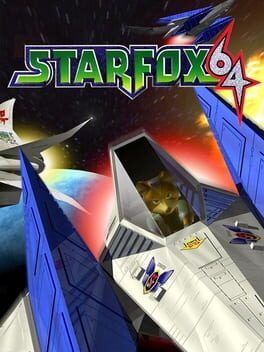

Nintendo’s surprise Switch 2 launch for Star Fox is a full Star Fox 64 remake with cinematic presentation, new multiplayer, a controversial realistic art shift, and a split physical / digital price. Here’s what’s new and what it means for the long‑dormant series.
Nintendo has finally broken a decade of silence on Star Fox, and it is doing it by going back to the series’ most familiar battlefield. The new Switch 2 game, titled simply Star Fox, is a full remake of Star Fox 64, launching on June 25 as one of the system’s early headliners.
It is not just a higher resolution port. Nintendo is calling this a “cinematic take” on the Nintendo 64 classic, layering new story content, online play, and a modern control scheme on top of the original branching campaign. That mix of old and new, along with a more realistic art direction and a split physical / digital price, has already sparked one of the most heated Star Fox debates since the Wii U era.
What Nintendo Is Changing Beyond Visuals
Structurally, this is still Star Fox 64. The stage layouts, branching map, and moment to moment on rails shooting are intact, and that familiar Corneria opening looks almost shot for shot when you compare footage side by side. The real changes sit on top of that skeleton.
The biggest shift is the new focus on story. Nintendo is building a proper prologue mission that puts the spotlight on Fox McCloud’s father. That sequence leads directly into the Lylat War we already know, but it frames Fox’s motivation and his relationship with the rest of the team in more detail than a handful of N64 voice clips ever could. Across the main campaign, extra cutscenes flesh out Peppy, Falco, and Slippy, while Andross and Star Wolf get more pointed introductions instead of just popping up as boss fights.
That new narrative emphasis is backed by a fully cinematic presentation. Dialogue is fully voiced again, now recorded with modern audio quality and mixed across a sweeping orchestral soundtrack. Missions bleed into cutscenes almost seamlessly, with cockpit close ups, damage camera shakes, and new angles on classic set pieces like the Sector Y fleet and the Independence Day styled assault on Corneria.
Mechanically, Nintendo is layering in more to do once you clear the campaign. A separate Challenge Mode reuses stages with new objectives, time attack goals, and score targets that encourage mastering the new control options. It is a way of stretching what was once a 45 minute run into something closer to a live score chase, which fits the way players actually engage with arcade style shooters in 2026.
There are also a few quality of life tweaks that subtly modernise the experience without rewriting it. Enemy telegraphs are clearer, damage feedback on the Arwing is more readable, and the HUD cleans up some of the clutter of the N64 original. Crucially, all of this sits on top of the same routes and enemy placements. It feels less like a reimagining and more like a 4K remaster of your memory of Star Fox 64, only with a lot more narrative glue holding it together.
Realistic Redesigns And A Split Fanbase
The most controversial piece of the remake is not the prologue, or even the price. It is how the characters look. Fox and the squad are no longer chunky, angular puppets with exaggerated features. On Switch 2 they are closer to realistic anthropomorphic animals in detailed flight suits, with fur shaders, visible scarring, and more grounded proportions.
That shift has split the fanbase immediately. Clips from the reveal Direct and official screenshots are circulating on social media alongside shots from Star Fox 64 and Star Fox 64 3D, with some longtime players arguing that the new look sacrifices charm for fidelity. For them, Star Fox is meant to feel like Thunderbirds with animals, an extension of the original SNES box art and the famously stiff puppet work from early marketing.
Others are warming quickly to the change. In motion, the higher detail allows for proper facial animation during radio chatter, subtle eye movements, and more expressive reactions when Slippy panics or Falco snarks his way through a briefing. For newer players who know Fox mostly from Smash Bros, the realistic tilt brings the series closer to modern sci fi shooters while still keeping its colour and energy.
It is a tricky line for Nintendo to walk. The company has framed these designs as an evolution of Star Fox 64 rather than a reboot level reinvention, and the team has been careful to keep silhouettes, color schemes, and iconic gear consistent. Whether that is enough will come down to how fans feel after a full campaign run, not just a two minute trailer.
Multiplayer: From Split Screen Chaos To Full Online Dogfights
If there is one area where this remake goes clearly beyond nostalgia, it is multiplayer. The original Star Fox 64’s competitive mode was a local only curiosity, fun but limited. On Switch 2, Nintendo is pitching multiplayer as a pillar instead of a bonus.
The headline addition is 4 vs 4 online dogfights. Two four pilot squads face off as Team Star Fox and Team Star Wolf across a set of small arenas inspired by campaign stages. Some maps focus on straight up kills, others add objective twists like controlling satellite points or defending freighters long enough to escape. The series’ tight, looping arenas lend themselves well to these more focused skirmishes.
Online matchmaking supports up to eight players, with parties, rematches, and a rotation of special rule sets that tweak weapon availability or visibility. Local split screen returns for those who want something closer to the N64 chaos, and there is a hybrid option where two players share a system and match online together.
Cooperative play is getting its own twist. One mode lets a second player sit in the gunner seat, controlling a separate targeting reticle while the pilot flies the Arwing, a natural fit for the dual screen style coordination that Star Fox Zero was trying to reach. Challenge Mode stages can be attacked solo or in co op, with shared score targets and medals.
All of this is layered onto Switch 2 specific control tech. The game offers a traditional stick based setup, motion assisted aiming that behaves more like a mouse, and full support for the Nintendo 64 Switch Online controller for purists who want the most authentic throwback possible. The idea is to keep the pick up and play simplicity of the original while letting high level players push into modern shooter expectations.
Pricing: Physical Vs Digital
Nintendo is pricing Star Fox at the lower end of the new release spectrum, but there is a twist. The digital version on Switch 2’s eShop is set at $49.99, while the physical cartridge will retail for $59.99 in the United States, with similar gaps in other regions.
That ten dollar spread has already become part of the discussion around how substantial this remake really is. On one hand, a sub sixty dollar digital price undercuts other first party launches and acknowledges that this is a rework of an existing campaign rather than a brand new, huge scale project. On the other, collectors paying full retail for a box and cart are questioning why the physical version carries a premium when the content is identical.
Regional prices tell a similar story. In the UK and Europe, the physical edition sits closer to a standard big budget tag, while digital shaves a bit off. Players used to Nintendo’s historically flat pricing strategy are treating this as a small but notable experiment. If Star Fox sells well in both formats, it could set a pattern for how the company handles future remakes and mid scale projects.
Is Returning To Star Fox 64 The Right Call?
The most important question is not whether the new Fox model has enough fur density. It is whether going back to Star Fox 64 yet again is the right way to revive a franchise that has been dormant since Star Fox Zero in 2016.
In some ways, this was the safest choice Nintendo could make. Star Fox 64 remains the high point of the series in terms of critical reception and fan nostalgia, and its clean arcade structure fits perfectly as a showcase for Switch 2’s quick load times and higher fidelity. As a re introduction for players who have never flown through Corneria, a polished, snappy campaign that you can clear in an evening and then replay via different routes makes a lot of sense.
It also sidesteps some of the design baggage that has weighed down later entries. There are no divisive ground missions like in Assault, and the control compromises that hurt Star Fox Zero are replaced with straightforward options. For a series that has often struggled to justify its place alongside Nintendo’s bigger hitters, leaning into what worked best is a logical reset.
The risk is that Star Fox once again feels trapped by its own legacy. This is the second major revisit of Star Fox 64 after the 3DS version, and some fans are already asking when they will see a genuinely new campaign, new planets, and new threats. A remake that keeps stage layouts mostly untouched, even with new story layers and modes, can only go so far toward pushing the universe forward.
Whether this is the right move will likely depend on what comes next. If Nintendo treats this Star Fox as a foundation, re establishing the brand on modern hardware before moving to a true sequel that expands the Lylat system, it could look smart in retrospect. If this is another one off nostalgia tour with no follow up, it risks reinforcing the idea that Star Fox is a series that only exists to resell the same memory.
For now, Switch 2’s Star Fox is shaping up as a carefully built remix of one of Nintendo’s most beloved shooters. It respects the original’s structure while finally giving its cast the cinematic spotlight they have always seemed built for. The art shift and pricing experiment are already sparking debate, and the expanded multiplayer could give the game longer legs than any previous entry.
After ten years grounded, Fox McCloud is back in the cockpit. Whether this flight path leads to new horizons or just another loop around Corneria is a question the Lylat System faithful will be debating right up to launch and long after they hear “Do a barrel roll” in orchestral surround sound for the first time.