
Square Enix is closing Extreme Edges in Japan, raising fresh questions about global publishing, licensed games, and its uneven mobile strategy.
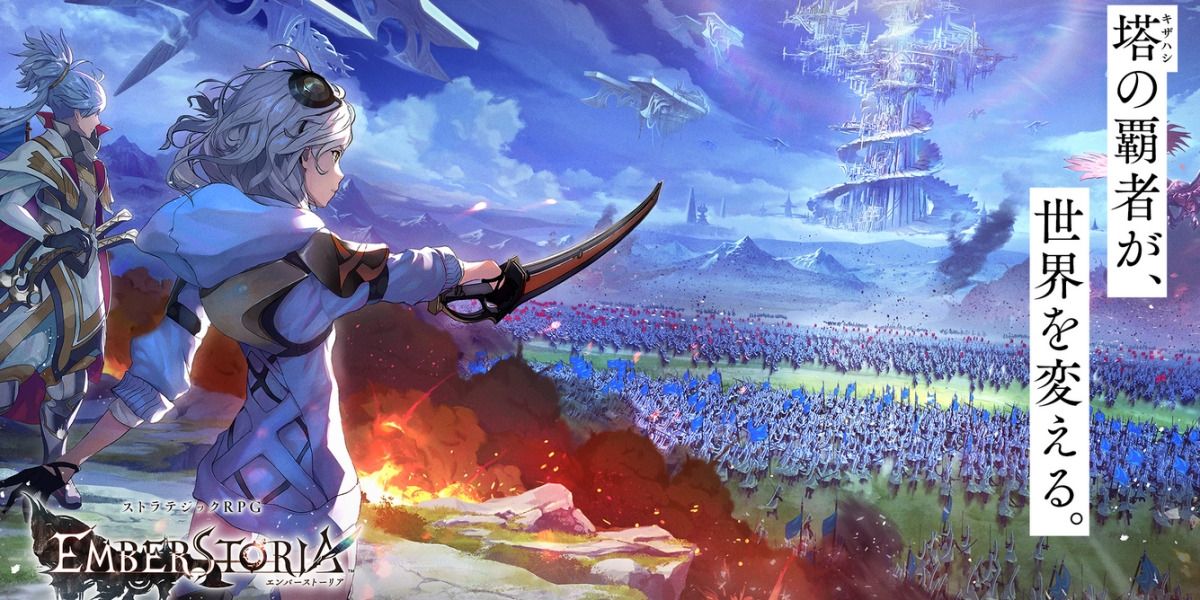
Image: pocketgamer.biz
A Japanese publishing label closes as Square Enix says the market changed
Square Enix announced on July 9 that it will shut down SQUARE ENIX EXTREME EDGES, the Japan-facing label it created to introduce overseas games to domestic players. Automaton West reports that the label began in 2010 and handled titles including Call of Duty, Life is Strange, Tomb Raider, Hitman and Deus Ex. Square Enix’s stated reason, according to Automaton, is that the market has globalized to the point where overseas games no longer need to be presented in Japan as a special category of “yōge,” the Japanese term commonly used for Western games.
The immediate tension is that Square Enix is simplifying one part of its publishing identity at the same time its mobile business keeps showing how difficult global and regional operations can be. Extreme Edges was not described by Square Enix as a mobile label in the provided reporting, and the company has not tied its closure to layoffs, mobile performance, or a specific restructuring of live-service games. The confirmed news is narrower: the label is ending, no exact closure date has been announced, and Square Enix said its related social media activity will gradually cease.
Even that narrow fact matters for how Square Enix presents games in Japan. The company is saying that one old distinction, overseas versus domestic, is less useful than it was in 2010. Its mobile record raises the opposite question: whether global branding is enough when service games, licensed games, and JRPG mobile games often depend on region-specific operation, audience habits, platform expectations, and long-term trust.
Extreme Edges was built for a different era of imports
The Extreme Edges closure is easiest to understand as a publishing infrastructure story. DualShockers describes the label as Square Enix’s vehicle for European and North American-developed games launched in Japan, including Call of Duty, Life is Strange and Tomb Raider. Automaton similarly says the label contributed to the domestic popularization of multiple Western franchises and was created to bring appealing overseas titles to more Japanese players.
There is a small dating wrinkle in the reports. Automaton’s headline calls it a 15-year-old label, while the body of the report says it marks the end of a 16-year history and notes that Extreme Edges started in 2010. DualShockers also describes sixteen years of activity. The safest reading is that the label dates to 2010 and is closing in 2026, with the exact anniversary depending on how the period is counted.
Square Enix’s explanation points to a real business change. In 2010, Japanese releases of overseas games often needed extra positioning, publisher trust and local market education. By 2026, global release planning, digital storefronts and worldwide franchise recognition have reduced the need for a separate consumer-facing banner that marks a game as foreign. If a new Call of Duty-style partnership were handled by Square Enix today, the closure suggests it would not necessarily need the Extreme Edges identity to tell Japanese players what kind of game it is.
That does not answer every practical question. Square Enix has not announced that it is exiting Japanese publishing for overseas licensed games. It has announced the closure of a label. For partners and players, the unresolved issue is how future Japanese releases formerly suited to Extreme Edges will be localized, marketed and supported, and whether Square Enix will fold that work into a broader publishing structure.
The mobile comparison is uncomfortable because service games still need local trust
The closure of a Western-game label does not directly explain Square Enix mobile games, but it lands during renewed scrutiny of Square Enix mobile strategy. Pocket Gamer’s recent feature asks why Square Enix keeps shutting down mobile games and points to Final Fantasy VII: Ever Crisis, Kingdom Hearts Missing-Link, Octopath Traveler: Champions of the Continent, Fullmetal Alchemist Mobile and Dragon Quest of the Stars as examples in a larger pattern of failed, ended or transferred mobile projects. Pocket Gamer also notes that Octopath Traveler: Champions of the Continent transferred operations to NetEase.
The distinction matters. Extreme Edges represented a market-entry problem: how to introduce overseas games to Japan. Mobile live service represents an endurance problem: how to keep players spending time, trust and money after launch. Globalization can reduce the need for an import label, but it does not remove the operating burden of a gacha RPG, episodic story app, or licensed service title. Those games need content cadence, customer support, monetization balance, platform compliance and a clear promise that progress will remain meaningful.
Square Enix has had a different relationship with premium mobile releases. Pocket Gamer says the company has re-released classics such as the original Dragon Quest trilogy, Final Fantasy VI and Secret of Mana on mobile, and argues that traditional single-player experiences appear better aligned with what many Square Enix fans expect. That is an interpretation from Pocket Gamer rather than a company admission, but it matches the systems tension visible across these projects: Square Enix’s strongest RPG identity is built around authored arcs, party growth, quests, builds and completion. Live-service mobile design asks those same players to accept rotating banners, timed events, online dependencies and the possibility that the game’s playable form will vanish.
Japan has not been a guaranteed refuge for Square Enix live service RPGs
One of the sharper points in Pocket Gamer’s analysis is that Square Enix’s mobile closures cannot be reduced to a simple overseas failure story. The outlet specifically notes that Final Fantasy Brave Exvius and Dragon Quest of the Stars were axed in Japan, with Brave Exvius lasting nearly ten years from 2015 to 2024. That history complicates any assumption that Japan can automatically sustain Square Enix mobile games built around famous JRPG brands.
For players, the issue is progression confidence. A console or premium mobile RPG asks for a purchase and time. A live-service RPG asks for those plus ongoing engagement, and often for spending tied to characters, weapons, costumes, events or limited progression windows. When a service ends, the player loses access to a system they may have treated like a long campaign. For a completionist audience, the pain point is not only whether the story finale exists somewhere online. It is whether the account, roster, builds and accumulated decisions still matter.
This is where licensed games become especially exposed. Fullmetal Alchemist Mobile appears in Pocket Gamer’s list of Square Enix mobile projects that have joined the company’s broader obituary of service titles. Licensed games carry extra business complexity because the publisher is not only maintaining a game; it is stewarding someone else’s characters and audience expectations. The provided sources do not detail the licensing terms behind any specific shutdown, so there is no basis to claim that rights issues caused these endings. The business implication is still clear: every closure teaches players and licensors to ask harder questions before committing to the next mobile adaptation.
Square Enix is now talking about afterlives for dead service games
Square Enix appears aware that ended service games leave behind a preservation problem. Console Creatures reports that, during an investor call, Square Enix discussed ways to preserve older games after service ends. The cited examples include livestreams for NieR Re[in]carnation and cutscenes hosted on video platforms for other franchises. Console Creatures says Square Enix described the approach as varying by title and said it wants to keep finding pathways so players can enjoy these works after service has ended.
That is a partial answer, not a full replacement for play. A cutscene archive can preserve plot, voice performances and lore. It cannot preserve encounter tuning, team-building choices, menu friction, resource routing, or the slow familiarity that develops when a player maintains a party over months. Console Creatures makes a similar criticism, arguing that compilations of in-game videos do not replicate the experience of playing a game.
The more interesting development is conversion. Console Creatures reports that Octopath Traveler 0 received major support and positive reception after Square Enix retooled Octopath Traveler: Champions of the Continent game and story elements into a full single-player game. The outlet also notes that Wright Flyer Studios is taking Another Eden: The Cat Beyond Time and Space to a new audience through Another Eden Begins, a reworked offline version. Those examples are not identical to an Extreme Edges closure, but they point to a business route Square Enix may need more often: treating mobile-origin material as something that can be rebuilt, sold and preserved outside the service model.
According to Console Creatures, Square Enix was also asked on the investor call about Dragon Quest Monsters: Super Light and Dragon Quest Rivals Ace, and said that when porting or expanding such games it prioritizes delivering an enjoyable experience while respecting and preserving the original gameplay experience. That statement is important because it frames preservation as design work, not only archival work.
The next test is how Square Enix handles global releases without losing local accountability
For readers tracking Square Enix licensed games Japan releases, the confirmed action item is limited but useful. Extreme Edges is closing, its social channels are expected to wind down gradually, and Square Enix has not provided an exact closure date in the reporting from Automaton. No source provided here confirms cancellations of specific Japanese releases because of the label’s closure. No source confirms a change to a named mobile title because of the closure either.
The broader watchlist is business-facing. If Square Enix no longer needs a dedicated Western-game label, future overseas titles in Japan should reveal what replaces that structure: a standard Square Enix publishing route, direct publishing by overseas partners, or another regional arrangement. For mobile, the sharper question is whether Square Enix can convince players that new JRPG mobile games will have either a durable live-service plan or a credible exit path, such as offline conversion, single-player rebuilding, or meaningful preservation.
That is where the two stories meet. Extreme Edges closed because Square Enix says the old foreign-versus-domestic framing has lost value. Square Enix mobile strategy is under pressure because service games still live or die on highly specific relationships between platform, region, license, progression and trust. Global branding may make a Japanese release easier to explain. It does not make a long-running RPG economy easier to sustain.
Players considering the next Square Enix mobile game should wait for details the company can be held to: supported regions, operating partner, monetization model, offline plans, account transfer rules, and what happens to story content when service ends. For partners licensing Square Enix or entrusting it with a Japanese release, the same principle applies. The label on the box may matter less than it did in 2010, but the plan behind the game matters more than ever.