
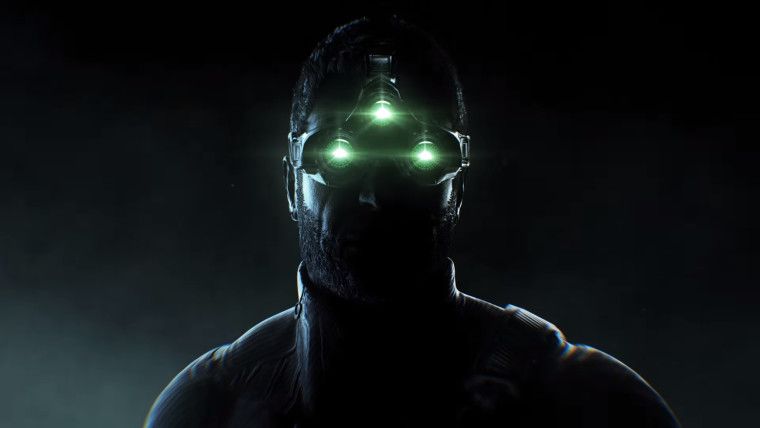

Ubisoft has renamed Creative House 2 as Massive Entertainment, putting Splinter Cell, Ghost Recon, The Division and March of Giants under one global label. Here is what that confirms, and what it still does not reveal, about the Splinter Cell remake.
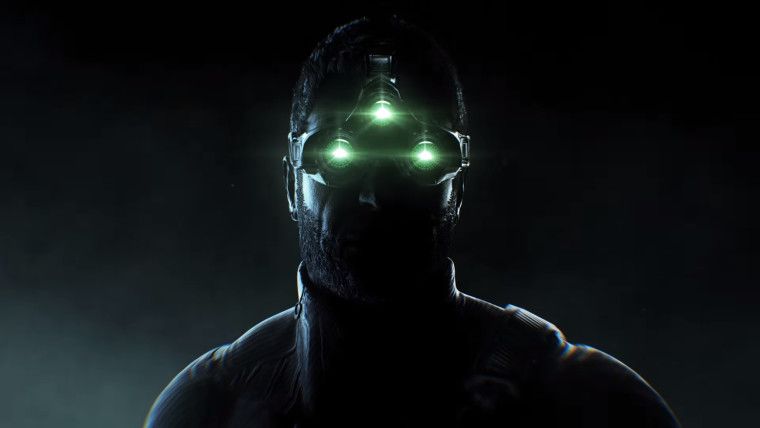
Image: neowin.net
Ubisoft puts Splinter Cell under the Massive name, but the remake stays unseen
Ubisoft has renamed its Creative House 2 business unit as Massive Entertainment, and that newly branded group now covers Tom Clancy’s Splinter Cell, Ghost Recon, The Division and new original IP including March of Giants. GamesIndustry.biz reports that development teams tied to those franchises in Montréal, Paris, Sweden and Toronto will operate under the Massive Entertainment identity, with Ubisoft saying the unit has “clear responsibility for the development and long-term growth” of its brands.
That is the concrete development. The tension is that the Splinter Cell remake itself remains almost entirely in the dark. GameSpot reports that the remake of the original Splinter Cell was announced nearly five years ago, yet Ubisoft has still shown no gameplay footage and no trailer. For a series built around patience, shadow, and the sharp timing of a single movement through a lit corridor, the silence is thematically convenient. For players waiting on a real Splinter Cell update, it is also a long stretch without the basics: release window, systems from Ubisoft, price, feature set, or a look at how the remake actually plays.
The studio rename does not equal a reveal. It confirms where Ubisoft is placing franchise responsibility inside its reorganized company. It does not confirm that Sam Fisher is closer to deployment, that the remake has changed scope, or that Massive’s Malmö studio is now personally leading every piece of Splinter Cell development. The useful read is narrower but still important: Ubisoft is giving Splinter Cell a defined place inside the same tactical-action portfolio as Ghost Recon and The Division while the remake continues to surface only through staffing signals and corporate structure.
The rename is a command structure, not a new Splinter Cell trailer
GamesIndustry.biz describes the new Massive Entertainment as the renamed Creative House 2, adopting the 29-year-old brand of the Swedish studio best known within Ubisoft for originating The Division and developing the Snowdrop engine. The original Massive studio in Malmö remains part of this larger Creative House alongside Ubisoft Toronto and teams in Paris and Montréal. That distinction matters because “Massive Entertainment” now refers to both a historic Swedish studio brand and a broader Ubisoft business unit.
Ubisoft’s statement, quoted by GamesIndustry.biz and Insider Gaming, says teams responsible for The Division, Ghost Recon, Splinter Cell and March of Giants will operate under one Massive Entertainment brand. The company framed the move as a way to combine creative and technology expertise across its international teams. Christoph Hartmann, who joined as general manager in June after leaving Amazon Game Studios and previously founded and led 2K Games, is leading the unit. GamesIndustry.biz also reports that Natalie Francis recently joined as studio manager for the Malmö office after senior roles at Avalanche Studios and DICE.
For players, the most immediate consequence is accountability, at least on paper. Ubisoft is no longer presenting Splinter Cell, Ghost Recon and The Division as scattered names floating across separate internal lanes. It is placing them in a single house with leadership, a public identity, and a stated responsibility for long-term franchise growth. That can help coordinate tone, technology, and production priorities. It can also concentrate risk if one business unit must balance a stealth remake, open-world military action, extraction-style or live-service expectations around The Division, and a new IP in March of Giants at the same time.
For Splinter Cell, the clearest update is hiring, not footage
The most relevant Splinter Cell remake signal still comes from job listings, not from a showcase. GameSpot, citing listings spotted by Insider Gaming, reports that Ubisoft has posted openings for several roles on the project in recent months, including level designer and producer positions. GameSpot correctly cautions that hiring does not prove how far along the remake is, since developers join and leave projects throughout production, but it does indicate Ubisoft is still staffing work connected to the game.
That is as far as the sourced evidence goes. The provided material does not include a new trailer, a gameplay description from Ubisoft, a developer interview about combat systems, or a release date. GameSpot notes that players have seen “exactly zero seconds” of the remake in action since its announcement. Its game page lists PC, PS5 and Xbox Series X|S, with a placeholder-style “Dec. 31, 2097” first release entry, but that should not be read as an actual launch date. In practical terms, the Splinter Cell remake has no confirmed public release window in the supplied sources.
There are design questions Ubisoft has not answered publicly in these materials. GameSpot raises the issue of how the 2002 game’s geopolitical framing might be handled today, and how much the remake could borrow from later entries such as Conviction and Blacklist, which added more action-forward tools like Mark & Execute. That is the creative fault line for a modern remake. Early Splinter Cell tension came from fragile positioning, light discipline, slow entry, and the fear of a room turning against you. Later games sharpened the pace and widened the player’s offensive rhythm. Until Ubisoft shows the remake, nobody outside the project can say which version of Sam Fisher is being rebuilt.
Ghost Recon and The Division now share a louder center of gravity
The studio reshuffle is broader than the Splinter Cell remake. Ubisoft’s new Massive Entertainment label also becomes the home for Ghost Recon and The Division, according to GamesIndustry.biz, Insider Gaming and Ubisoft’s quoted statement. DualShockers similarly frames the change as Ubisoft giving those Tom Clancy properties a shared global label across Sweden, Montréal, Paris and Toronto.
The Division has the cleanest historical connection to the Massive name. GamesIndustry.biz notes that the Malmö studio originated The Division franchise and built the Snowdrop engine, later delivering Avatar: Frontiers of Pandora and Star Wars Outlaws. By contrast, Ghost Recon and Splinter Cell gain a new umbrella identity rather than a newly announced game reveal. For Ghost Recon Ubisoft watchers, the news says more about stewardship than content: the franchise is now grouped under the same organizational banner as Ubisoft’s loot-driven urban crisis series and its long-dormant stealth flagship.
That grouping reveals how Ubisoft may be thinking about its tactical brands. The Division is associated with long-term systems, gear progression and ongoing communities. Ghost Recon has carried the weight of squad-based military fantasy in both tactical and open-world forms. Splinter Cell is the precision instrument of the set, a series where one alarm can change the rhythm of a mission. Housing them together could help Ubisoft define clearer lanes inside the Tom Clancy portfolio. It could also blur them if shared technology, shared production pressure, or shared commercial goals push different series toward similar structures.
Massive’s technology history cuts both ways for stealth
Massive’s reputation inside Ubisoft is tied to technology as much as franchise ownership. GamesIndustry.biz reports that the original Malmö studio led development of the Snowdrop engine, which has been used across several Ubisoft titles. The studio’s recent credits include The Division, Avatar: Frontiers of Pandora and Star Wars Outlaws, projects with large spaces, dense rendering demands and systemic world design.
That history invites obvious questions for Splinter Cell, but it does not answer them. The supplied sources do not say what engine the remake uses, whether Snowdrop is involved, or whether the new Massive Entertainment structure changes technical direction. Any claim that the remake has moved engines or shifted studios would go beyond the reporting provided here.
Still, the technology question matters because stealth design is unforgiving. A Splinter Cell remake has to sell darkness, visibility, sound, enemy awareness and believable routes through guarded spaces. Modern graphics can create richer shadows and more legible interiors, but they can also make stealth readability harder if lighting, materials and AI perception are not tuned with surgical care. GameSpot’s own related coverage notes that a former Splinter Cell director has argued modern graphics can hurt stealth games, which points to a real design challenge even if it is separate from Ubisoft’s current announcement. A remake cannot rely on nostalgia alone. Its rooms have to communicate danger instantly, and its systems have to make slow play feel deliberate rather than dated.
The business backdrop makes every quiet signal louder
Ubisoft’s rebrand lands during a wider restructuring. GamesIndustry.biz says Ubisoft announced its Creative Houses structure in late 2025 and confirmed details in January 2026 as part of cost-cutting and studio-closure plans. GameDev.net’s briefing, based on GamesIndustry.biz, reads the renamed Massive Entertainment as an attempt to stabilize Ubisoft’s portfolio and sharpen accountability around major live and legacy franchises. Insider Gaming reports a different current savings figure, saying Ubisoft’s ongoing restructuring involves an additional 180 million euros after a previous 200 million euro figure. The sources agree on the larger point: this is happening in a period of cuts and reorganization, not expansion without friction.
That context changes how to read job listings and leadership moves. Hiring on the Splinter Cell remake is encouraging for fans because it shows the project has active staffing needs. It is also normal production behavior, especially on a game that has taken years to reach the public reveal stage. A renamed business unit can give Splinter Cell a clearer chain of command, but it cannot by itself erase the uncertainty created by layoffs, cancellations and long silence.
For Ubisoft, the incentive is clear. The Tom Clancy name still carries recognition across multiple kinds of action design, from co-op firefights to tactical infiltration. Sam Fisher has also remained visible outside a new mainline game, with GameSpot noting guest missions in Ghost Recon, an appearance in Rainbow Six Siege, and a Netflix animated series released last year with Liev Schreiber taking over voice duties from Michael Ironside. The company has kept the character in circulation. It has not yet shown that the remake can carry a full modern stealth campaign.
What to watch before treating this as a real Splinter Cell update
Readers looking for a buying decision have little to act on today. There is no sourced price, preorder path, edition breakdown, system requirement list, release date, or official gameplay feature set in the provided material. The safest practical guidance is to wait for Ubisoft to show the remake directly before making assumptions about platform support, performance, stealth mechanics, or how faithful it will be to the 2002 original.
The next meaningful Splinter Cell update would be concrete: a gameplay trailer, a developer breakdown, a confirmed release window, store listings from Ubisoft or platform holders, or a detailed explanation of how the remake handles light, sound, enemy AI and level structure. Staffing posts and a corporate rename are useful signals for tracking whether the project is alive inside Ubisoft, but they are not substitutes for the game stepping out of the dark.
For now, the confirmed picture is specific and limited. Ubisoft Massive Entertainment is now the identity for the business unit overseeing Splinter Cell, Ghost Recon, The Division and March of Giants across several international teams. The Splinter Cell remake is still associated with active hiring, according to GameSpot’s report on listings spotted by Insider Gaming. Everything beyond that, including timing, combat direction and how much the remake will resemble the original versus later, faster entries, remains unannounced.