
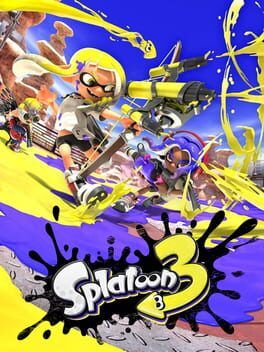
A competitive-focused breakdown of Splatoon 3 version 11.0.0 explaining Flow Aura, visible health bars, and hitbox adjustments, plus which weapons and playstyles are likely to rise or fall in ranked and tournament play.
What v11.0.0 Really Changes for Competitive Splatoon 3
Version 11.0.0 is not just another balance patch for Splatoon 3. It introduces three systemic changes that will reshape how top players approach fights, snowballing, and survivability in ranked and tournaments: Flow Aura, visible health bars, and a global tightening of hitboxes.
Rather than simple number tweaks, these are mechanic-level shifts. They reward streaks and team coordination, raise the importance of information, and make positioning more honest. If you play in X Rank or tournaments, you should look at this patch as a small meta reset.
Flow Aura Explained in Competitive Terms
Flow Aura is a temporary powered-up state that you earn through strong combat and team contribution. When active, it surrounds your character with an ink effect and lasts about 30 seconds by default.
You gain Flow Aura by:
- Splatting multiple opponents in a row
- Assisting teammates in splats
- Inking the stage in ways that support teammates
Once active, Flow Aura boosts four stats that matter a lot in competitive:
- Run Speed: Faster strafing in gunfights, better repositioning while shooting
- Swim Speed: Quicker rotations, flanks and disengages
- Ink Resistance: Safer pushes through chip damage zones like bombs and mines
- Intensify Action: Smoother, more consistent Squid Rolls and Squid Surges
You can extend the duration by continuing to play well. Every additional splat or assist you get while Flow Aura is active adds more time to the buff. The result is a classic snowball mechanic. Players and teams that are already winning fights can move faster, dodge better and keep winning longer.
Who Benefits Most from Flow Aura
Flow Aura favors aggressive slayers and mobile hybrids who can chain picks and stay active in fights.
Frontline and midline weapons likely to benefit include:
- Short and mid-range shooters such as Splash-o-matic, N-ZAP, Splattershot and Splattershot Jr. These weapons already rely on movement and chaining picks. Extra speed and Intensify Action let them dive, roll and surf around enemy fire more easily.
- Aggro support picks like N-ZAP or Jr that naturally paint a lot. Even if you are not top fragging, your constant painting and assist pressure contribute toward earning Flow Aura.
- Slayers that dive in with combos, like certain Dualies variants or movement-heavy weapons like Sploosh-o-matic. Anything that can quickly finish low HP targets or clean up assists will see more frequent Flow Aura uptime.
Backline weapons can still gain value from Flow Aura, but they are less ideal users of the buff because they move less and spend more time holding sightlines.
E-liter, Snipewriter and other pure backlines will see Flow Aura mainly as a survivability and retreat tool. Short windows of extra run and swim speed help reposition after a pick, but they will not snowball as hard as frontliners who can stay in the thick of fights and keep extending the timer.
Playstyles That Rise with Flow Aura
Aggressive, tempo-driven compositions that already lean on early map control and quick picks are the biggest winners.
If you are running fast tricolor comps built around Splash, N-ZAP, Jr or quick special rotations, Flow Aura rewards you for playing the style you already want to play. Win one fight, convert it into Flow Aura on your frontliners, then use the movement buff to take even more space, find deeper flanks, and choke the enemy team on respawn.
Anchors and slow bunker comps that rely on holding a single strong position become less appealing. They do not capitalize on Flow Aura as consistently, and they face opponents who are literally faster and more evasive once the buff is active.
Visible Health Bars: Information Is Power
The second major change is the addition of visible enemy health bars.
After you hit an opponent, you will see their remaining health for a short window, as long as you still have line of sight. If the opponent is marked with something like Thermal Ink or a Point Sensor, the health bar remains visible from farther away.
This one UI change has several competitive implications.
Stronger Focus Fire and Target Priority
In coordinated teams, health bars transform how you call targets.
Instead of vague callouts like “two weak right,” you can clearly see which enemy is one or two hits from going down and focus them. This tightens focus fire, reduces overkill, and lets teams swap targets immediately once the first splat is secured.
Weapons that thrive on assist damage and follow up fire gain immediate value.
- Midline shooters and supports that chip enemies from range become more impactful because teammates can instantly recognize which target is low and collapse.
- Rapid-firing close-range guns and Dualies can commit confidently when they see that a target is one shot from dying.
The game becomes less about guesswork and more about precise, informed aggression.
Value Spike for Marking and Tracking Tools
Anything that extends health bar visibility becomes more valuable.
- Thermal Ink now does more than reveal positions after your shots. It effectively gives your team long-range health information on tagged targets.
- Point Sensor and similar marking tools shift from niche scouting options to full information specials and subs. Tagging multiple players does not just show where they are; it tells your team who is weak and who is safe.
Weapon kits that include reliable marking or tracking will see a rise in priority, especially in organized play where teams can fully communicate off that information.
Punishing Overextension and Staggered Pushes
Health bars punish solo pushes and poor staggers more than before.
Once you are chipped, your low health is obvious to opponents who tagged you. They know exactly when it is safe to overextend for the finish and when you are too healthy to risk it. The mystery of “are they weak enough to chase” is largely removed.
Players who frequently ego-challenge when weak will find themselves getting punished more often. You need to be disciplined about backing off and healing instead of trying to surprise someone while low.
Hitbox Adjustments: Tighter, Fairer Fights
The third core change in v11.0.0 is a global tightening of hitboxes, particularly in swim form.
Previous Splatoon titles granted a bit of extra leniency to hit registration to help newer players adapt to motion aiming. Over time, as the community has grown more skilled, that leniency has felt increasingly inconsistent at high level. Players could get tagged in swim form even when they believed they were fully behind walls or around corners.
Version 11.0.0 reduces this leniency and makes the swim-form hitbox closer to the kid-form hitbox. Practically, this means:
- You should be hit less often when you are clearly behind hard cover in swim form
- Corner peeks and tight positioning play more honestly on both sides of a duel
- Shots that “should miss” but still connect become rarer, especially around geometry
Weapons Helped by Tighter Hitboxes
Weapons that rely on precise aim and tight line-of-sight checks benefit most from this change.
- Backline chargers like E-liter or Snipewriter gain more consistent results when pixel peeking or holding narrow angles. If they miss by a small margin, it should miss rather than getting a free hit from a large invisible box.
- Long-range midline blasters and well aimed shot-based weapons will experience a clearer relationship between crosshair placement and hits.
Defensively, players who rely on advanced positioning, sharking and cover management gain more reliability. If you are disciplined with your peeks and timing, you will survive longer and set up better counter-engages.
Weapons That Lose a Little Power
Close-range spray weapons that benefited from “near miss” shots connecting lose some silent power.
- Fast firing shooters that often hit around corners or through awkward geometry will see slightly fewer lucky picks
- Random feeling deaths at the edge of walls should be reduced, which indirectly lowers the power of aggressive jump shots and panic spraying in tight spaces
The change is subtle, but over many games it adds up. Mechanical skill and exact spacing rise in importance, and raw spray volume becomes a bit less forgiving.
Projected Winners and Losers in the New Meta
When you add these three systems together, you get a picture of where the meta is likely to move once v11.0.0 lands.
Likely Winners
Fast, aggressive frontline shooters: Weapons like Splash-o-matic, N-ZAP, Splattershot and Jr that already define tempo gain the most from Flow Aura. They chain fights, farm assists through constant paint and convert that into more movement and survivability.
Mobile slayers and hybrids: Dualies, fast rollers and similar picks that play off flanks and timing benefit from Intensify Action and movement boosts. They also use health information well to decide when to commit to a dive.
Information based kits: Anything with Thermal Ink, Point Sensor or similar marking tools sees a value spike. These weapons turn every tagged player into a clearly survivable or punishable target, giving structured teams a major edge.
Backline precision players: Chargers and other backlines may not trigger Flow Aura as often, but they gain from the hitbox tightening and from health bars making cleanup easier for the team. Their calls on tagged or weak targets become even more important.
Likely Losers
Slow bunker comps: Teams that sit on a single stronghold with limited mobility will have a harder time. They neither gain much from Flow Aura nor handle snowballing enemies with speed buffs well.
Random spray dependent picks: Weapons and players who rely heavily on generous hitboxes, corner spraying and panic fire will find their effectiveness slightly toned down. You can still succeed with them, but you need cleaner mechanics and better positioning.
Undisciplined solo plays: Any style that revolves around constant ego challenges and staggered pushes will be punished harder. Health bars turn you into an obvious liability when you are weak, and Flow Aura rewards the disciplined, coordinated team that secures and extends leads together.
How to Prepare for Ranked and Tournaments
To be ready for v11.0.0:
- Practice coordinated callouts around health bar information. Call specific targets as one or two hits rather than vague “weak” labels.
- Lean into fast, mobile comps that can reliably earn and extend Flow Aura uptime. Prioritize weapons that both paint well and win fights.
- Incorporate at least one consistent marking tool in serious team comps to take advantage of extended health bar visibility.
- Refine your corner play. Use scrims and private lobbies to relearn how far you can peek in swim form without being exposed under the new hitboxes.
Splatoon 3 version 11.0.0 rewards teams that communicate clearly, play fast and position precisely. If you adapt around Flow Aura snowballs, information driven fights and more honest hit detection, you will be well positioned for the next evolution of the competitive meta.