
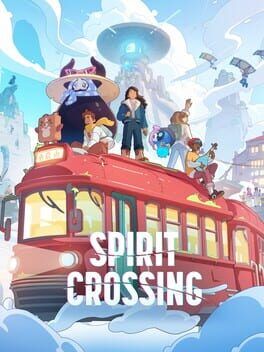
Spry Fox's cozy MMO Spirit Crossing launches November 16 on PC, Nintendo Switch, and Switch 2, with friendship progression, shared Waystations, and a Steam demo that carries progress into launch.
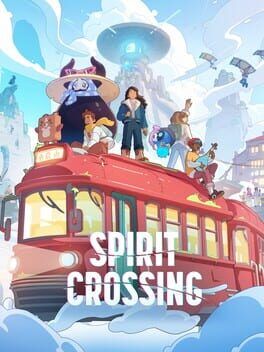
Image: IGDB
Store links: Spirit Crossing on Steam
Spirit Crossing gets a November date, but the platform details need a close read
Spry Fox has confirmed a November 16, 2026 launch for Spirit Crossing on Nintendo Switch, Nintendo Switch 2, and PC via Steam and the Epic Games Store. The date and Nintendo versions were announced during Nintendo’s October 28 Indie World Showcase, according to MonsterVine and MMOHuts, turning what had been a 2026 PC-facing cozy MMO into a simultaneous PC and Nintendo release.
That is the clean headline. The useful part for players is a little more specific. Switch and Switch 2 pre-orders are live, MonsterVine reports, while PC players can currently wishlist the game on Steam. MMOHuts, citing a Spry Fox Steam announcement, also reports that the current Steam demo will remain playable until November 9, 2026, and that demo progress will carry into the full game at launch.
For anyone tracking the Spirit Crossing release date, the short runway is notable. The game is arriving less than three weeks after the Indie World date announcement, and one week after the Steam demo cutoff. That makes the demo less of a distant preview and closer to an early footing for players who want to test its social pace before committing to the full release. The supplied sources do not list a price, PC system requirements, cross-play status, or performance targets for either Nintendo version, so those remain unconfirmed from the material available.
The PC, Switch, and Switch 2 lineup is broad, with one important Nintendo caveat
The confirmed Spirit Crossing PC Switch lineup covers Steam, Epic Games Store, Nintendo Switch, and Nintendo Switch 2. Noisy Pixel, VGChartz, MonsterVine, and MMOHuts all report the same November 16 launch date across those platforms, which suggests Spry Fox is treating the PC and Nintendo versions as the first full release rather than staggering console players into the Crosslands later.
Pixel Twelve adds two platform details attributed to Nintendo listings. First, those listings support up to 100 players online, with one player per system. Second, Pixel Twelve reports that Nintendo lists the Switch and Switch 2 editions as separate products, and that save data and additional content are not compatible between the Switch and Switch 2 versions.
That second point is the practical warning. If you are planning to buy Spirit Crossing on Nintendo hardware, the listing information reported by Pixel Twelve makes platform choice matter at the purchase stage. The supplied sources do not confirm an upgrade path, shared entitlement, cross-save, or a way to migrate save data between Switch and Switch 2. Until Spry Fox or Nintendo says otherwise, the safer assumption is to buy the version for the system where you actually intend to keep playing.
On PC, the clearest pre-launch guidance is simpler. Steam has the wishlist page, the demo window reportedly runs until November 9, and MMOHuts says demo progress carries forward into launch. The Epic Games Store version is confirmed by multiple reports, but the supplied material does not describe an Epic demo or any Epic-specific pre-order details.
Spry Fox is pitching an MMO built around permissions, pace, and friendship progression
Spirit Crossing is being described across the supplied sources as a cozy MMO or cozy online multiplayer game, but the systems Spry Fox has shown are more specific than that label can imply. Players enter the Crosslands, gather materials, build and decorate homes, fish, paint murals, join fishing tournaments, contribute to community Waystations, or spend time together while another player plays music, according to MMOHuts, Noisy Pixel, MonsterVine, and Pixel Twelve.
The central progression hook is friendship. MonsterVine and Noisy Pixel report that Spirit Crossing gradually unlocks social features as relationships develop, including proximity chat, two-player emotes, gift-giving, and instant teleportation or teleporting directly to friends. That structure matters because it turns social access into a paced system instead of an immediate all-or-nothing online lobby. From a systems perspective, that is one of the sharper ideas in the game’s pitch: the strongest social tools appear to be earned through ongoing connection rather than granted the moment two players meet.
Spry Fox is also emphasizing social permissions. Multiple reports state that players can customize how they interact with others instead of giving every friend the same access. In an online game built around homes, shared spaces, and repeated social contact, permissions are not a side setting. They are the guardrails that decide whether a cozy MMO remains comfortable for players who want company without constant obligation.
That is where Spirit Crossing could appeal to players looking for a lower pressure online game. The activities named in the source material are collaborative and expressive rather than combat-optimized: decorating, gathering, fishing, murals, music, Waystations, and social visits. The supplied sources do not describe raids, ranked ladders, class metas, or gear-score gates. It would be premature to claim those systems are absent from the full game, but the announced feature set clearly leads with presence and participation over mastery pressure.
Homes, Waystations, and residents give the Crosslands its progression shape
For RPG-minded players, the most interesting question is whether Spirit Crossing has enough long-term structure to support repeated logins without turning into chores. The source material points to three overlapping loops: personal expression, shared construction, and relationship-driven discovery.
Personal homes are confirmed across the reporting. Players can build and decorate their own spaces, with Pixel Twelve describing furniture placement and rooms filled with items such as books, plants, rugs, and lamps. Avatar customization is also part of the package, with MonsterVine noting clothing and style options. Those systems are likely to be the visible progression layer for many players: what you collect, where you place it, and how your home reflects the time you spend in the Crosslands.
Waystations provide the shared version of that loop. MonsterVine, MMOHuts, and Noisy Pixel all describe them as community spaces players can build or decorate together. That gives Spirit Crossing a group project structure without requiring every social encounter to become a scheduled event. In a conventional MMO, group progression often means dungeons, guild tasks, or high-efficiency farming. Here, the confirmed shared work is more about leaving a place better arranged than you found it.
The world also has residents beyond other players. MonsterVine reports that the Crosslands is populated by humans, talking bears, and wandering spirits, and that helping those residents and spending time with them reveals more of their stories. That detail is small but important for players coming from Spry Fox’s Cozy Grove, where daily life and spirit stories were central to the studio’s identity. The supplied sources do not describe quest length, branching choices, romance, combat, or endgame progression, so it is safest to read the NPC material as story and relationship context rather than a confirmed traditional RPG quest structure.
The November launch follows a long test period and a changing studio identity
Spry Fox is best known for Cozy Grove, Alphabear, and Triple Town, a lineage mentioned by MonsterVine, Noisy Pixel, and VGChartz. Those references are useful because Spirit Crossing’s pitch sits at the intersection of the studio’s familiar design interests: gentle routines, wordless or low-friction play, collection, and emotionally warm presentation. The difference this time is scale. Spry Fox is applying those instincts to an online shared world.
David Edery, Spry Fox co-founder and CEO, said the team has spent five years developing Spirit Crossing with the goal of creating a welcoming space for players seeking meaningful connections. Noisy Pixel and VGChartz quote Edery saying the studio is now “newly independent and employee-owned” and is ready to take the “beta” label off the game. MMOHuts also reports that testing started on mobile before expanding to PC, and that the November release will be the game’s first full release across PC and Nintendo platforms.
There is one publishing wrinkle in the supplied material. Most sources provided for this assignment frame the announcement around Spry Fox and quote Edery on the studio’s independence. A Niche Gamer snippet, however, identifies Netflix as publisher while also naming Spry Fox as the indie developer. The provided material does not include enough detail to resolve that discrepancy, and none of the other supplied reports foreground Netflix in the launch details. For readers, the confirmed purchase information is still platform-based: Steam, Epic Games Store, Switch, and Switch 2 are the announced launch destinations.
Who should try Spirit Crossing first, and what is still unanswered
The strongest case for trying Spirit Crossing before launch is on PC. If MMOHuts’ report of Spry Fox’s Steam announcement holds, the Steam demo remains available until November 9 and carries progress into the November 16 full release. That gives cautious players a clear test window for the tone, controls, pacing, and social feel of the Crosslands. For a cozy MMO, those qualities matter as much as feature count. If the basic act of gathering, decorating, and being near other players does not feel pleasant, the long-term loop will struggle no matter how many unlocks sit behind the friendship system.
Switch and Switch 2 players have a different decision. Pre-orders are reportedly live on both Nintendo platforms, but Pixel Twelve’s report about incompatible save data and additional content between versions should slow down anyone who owns or plans to buy both systems. Until official store pages or Spry Fox clarify upgrade and migration options, platform certainty is more valuable than speed.
Several practical questions remain open in the supplied sources. There is no confirmed price in the provided material. There are no reported PC requirements, Switch performance details, Switch 2 enhancements, server-region details, or cross-play confirmation. The Nintendo listing detail of up to 100 players online, as reported by Pixel Twelve, gives a sense of scale, but it does not answer how players are matched, whether friends across storefronts can meet, or how private social spaces are managed.
Even with those gaps, the confirmed shape of Spirit Crossing is clear enough to place it. This is a November cozy MMO release from Spry Fox, launching on PC, Switch, and Switch 2, built around homes, Waystations, friendship progression, social permissions, and gentle group activities. For players who like online worlds but bounce off obligation-heavy MMO design, the question is not whether Spirit Crossing can replace a traditional MMO. The better question is whether its systems can make logging in with other people feel restful and still give you enough to work toward.