
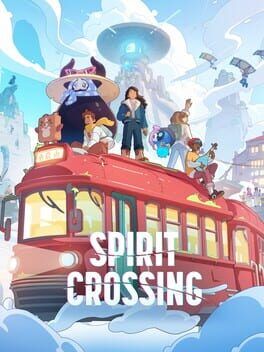

Spry Fox’s Spirit Crossing is no longer just a Netflix mobile experiment. Here’s how its PC debut, open alpha and studio split from Netflix position it in the new wave of cozy online games.
Spirit Crossing has always sounded like the logical endpoint of Spry Fox’s design history. Take the gentle daily rhythms of Cozy Grove, the expressive bears of Alphabear, the town‑building logic of Triple Town, then stretch it all into a shared online village where hundreds of players and spirits weather literal and emotional storms together.
Until recently, though, that experiment lived only inside Netflix’s mobile walled garden. Now Spirit Crossing is stepping out. Announced during the Wholesome Snack showcase, Spry Fox’s “cozy MMO” is getting a self‑published PC release on Steam in 2026, while its Netflix‑backed mobile version remains in open alpha. The move arrives just as Spry Fox spins back out from Netflix, and it raises big questions about how this village sim will be supported and monetized long term.
A cozy MMO about spirits, storms and shared resilience
At its core, Spirit Crossing is a co‑op life sim that leans into online community instead of minimizing it. Players arrive in an otherworldly village inhabited by friendly spirits, each with their own quirks, needs and histories. Rather than treating spirits as one‑off quest givers, Spry Fox frames them as long‑term neighbors you grow alongside.
You and other players gather resources, decorate homes and communal areas, farm, cook and fish across a lush, painterly map. The tone is light and comforting, but it is not static. Periodic supernatural storms roll through, threatening crops, structures and the well‑being of your spectral friends. The goal is not to fight the storm in an action‑RPG sense but to prepare, repair and support each other before, during and after it.
That structure quietly turns routine cozy sim chores into collaborative rituals. Stockpiling lumber and food matters because you might be rebuilding a bridge for the whole server after a storm. Checking in on an anxious spirit becomes a social moment as players gather to help. Spry Fox has talked about Spirit Crossing as a place where you “forge eternal friendships,” and the storms are the pressure that makes those bonds feel earned without undermining the gentle mood.
What the new PC trailer actually shows
The Wholesome Snack trailer is the first time Spirit Crossing has really been framed as a PC‑grade MMO instead of a mobile curiosity. Several details stand out.
First, the village scale looks larger than early mobile clips suggested. We see clusters of player houses, shared gardens and a central square where spirits and players mingle, framed by gently shifting lighting that suggests a full day/night cycle. There are more simultaneous players on screen than you typically see in a handheld‑only life sim, hinting at bigger social spaces on PC.
Second, the trailer foregrounds the storm cycle. Calm scenes of fishing off a pier and lounging by a campfire cut to gusts of wind, darkened skies and players rushing to batten down structures while glowing spirit figures weave through the chaos. It sells Spirit Crossing less as a passive hangout and more as a cozy community trying to endure something together.
Finally, the PC trailer leans into customization and expressiveness. Player avatars show a broader range of outfits and accessories, homes sport layered decor and there are snippets of emote‑driven group activities like dancing circles and impromptu music sessions. Those reads like PC‑audience reassurances that customization and social tools will not be watered down as this moves off mobile.
Inside the open alpha: mobile first, Netflix login required
While PC players have to wait, Spirit Crossing is already live in open alpha on iOS and Android through Netflix Games. Access is gated behind a Netflix subscription and login, which means the alpha audience skews toward players already embedded in that ecosystem rather than typical MMO early adopters.
The alpha build focuses on core loops rather than long‑term progression. You can establish a home, explore the surrounding wilderness, meet a handful of spirits and sample activities like fishing, light resource gathering and communal events. Systems that hinge on bigger populations, like large‑scale village upgrades or more dramatic storm seasons, are still being spun up.
From a design standpoint, this mobile‑first phase gives Spry Fox something it has always valued: lots of soft data about how people interact in gentle, low‑pressure games. The studio’s earlier titles were tuned over years of telemetry and player feedback. A Netflix‑sized testbed for Spirit Crossing lets them watch how strangers help or ignore one another when a storm hits, how quickly players burn through cozy tasks and how often they log in for community events.
Crucially, though, everything in the alpha is free once you have Netflix. There are no ads or in‑app purchases, mirroring Netflix’s broader games strategy. That is likely to change on PC, where Spirit Crossing will need a stand‑alone business model.
From Netflix exclusive to self‑published Steam MMO
When Spirit Crossing was revealed at GDC 2025, it was billed as Netflix’s first true MMO and one of the streamer’s most ambitious game projects. Spry Fox had been acquired by Netflix back in 2022, and this cozy online village was the showcase of that relationship.
Everything shifted in December 2025, when Netflix sold Spry Fox back to its founders and spun the studio out as an independent company again. Under the terms reported by outlets like GamesIndustry and TechRaptor, Netflix remains the publisher for Spirit Crossing on mobile, but Spry Fox is free to shop the game to other platforms.
The Wholesome Snack reveal of the Steam version is the first tangible result. On PC, Spirit Crossing is listed with Spry Fox as the publisher and a 2026 launch window. The developer has confirmed that a Netflix account will not be required on Steam. Functionally, we are looking at a split release: Netflix‑backed, subscription‑bundled mobile on one side, and self‑determined PC on the other.
That dual structure matters because it gives Spry Fox something they did not have as a purely internal Netflix team: autonomy over pricing, updates and community strategy on at least one major platform. If Spirit Crossing catches on with PC cozy fans, that audience could help fund and justify long‑term expansion that benefits every version.
How Spry Fox’s history shapes Spirit Crossing
Spirit Crossing’s design fingerprints are obvious if you have followed Spry Fox for a while.
Triple Town experimented with constrained town building, where every placement and merge had cascading effects. You can feel that lineage in Spirit Crossing’s shared village spaces, where building choices appear to improve not just your house but the layout and utility of communal areas.
Alphabear and its sequels leaned on personality rich characters, playful writing and small systems that encouraged daily engagement without demanding hours. Spirit Crossing’s cast of spirits seems built from that same philosophy. They are not generic NPCs; they are the emotional spine that gives context to storms, celebrations and the quiet in‑between moments.
Cozy Grove proved that Spry Fox can sustain a live, seasonally updated cozy game, with new story bits, decorations and events rolling out over months. Spirit Crossing looks like an attempt to take that model online in a much bigger way, baking in multiplayer from day one instead of bolting it on.
Just as important is Spry Fox’s stance on monetization. Historically, even when their games experimented with free to play hooks, they avoided aggressive tactics. Their best loved titles thrive on goodwill and word of mouth. With Netflix having enforced a subscription‑only, no microtransactions structure on mobile, Spirit Crossing has been incubated in an environment that favors player trust over immediate revenue.
Leaving Netflix: what it means for support and monetization
Netflix’s spin‑off of Spry Fox creates a strange but potentially healthy setup for Spirit Crossing.
On the support side, Netflix has a clear incentive to keep the mobile version in good shape. It is still part of the Netflix Games catalog and one of the few truly online, communal titles in that lineup. Spry Fox can continue iterating with the confidence that the mobile build is funded as a subscription perk, not dependent on whales.
On PC, however, long‑term support will hinge on whether Spry Fox can build a sustainable revenue stream around the game. Expect Spirit Crossing on Steam to land as either a modestly priced premium title, a buy‑to‑play MMO with optional cosmetics or a free client that leans on cosmetic microtransactions or season passes. Given the studio’s history and the audience it is courting, an aggressively monetized gacha model seems unlikely.
Being independent again also gives Spry Fox more control over cadence and depth of updates. Under Netflix, features might need to compete with other internal projects for budget. As a stand‑alone publisher on PC, Spry Fox can treat Spirit Crossing as its flagship service game, scaling the team up or down based on success without waiting on a larger corporate roadmap.
The catch is risk. If the PC audience is smaller than hoped, Spry Fox will have fewer safety nets than they did inside Netflix. That makes alignment with the cozy MMO boom even more important.
Fitting into the cozy online wave from Wholesome Snack 2025
Wholesome Snack 2025 was packed with online‑adjacent cozy titles, from trading caravan sims to social word games. Spirit Crossing stood out not because it was the only village builder, but because it openly used MMO language while still looking resolutely low stress.
Where games like Cozy Caravan or Travel Pack center on small friend groups and limited scope, Spirit Crossing pitches something closer to a gentle social world. Its storms are a clear differentiator. Many cozy games flirt with conflict or challenge but try to keep everything perpetually sunny. By making storms a recurring event, Spry Fox gives players a reason to coordinate beyond simple resource sharing.
Spirit Crossing also benefits from timing. As Animal Crossing style games have matured, there is a growing appetite for online spaces that feel kind but not empty. Multiplayer Stardew‑likes, wholesome collectible RPGs and community driven word games all occupied slots in the showcase. Spirit Crossing is one of the few that explicitly commits to being a persistent MMO, which could make it a flagship title for this subgenre if Spry Fox can deliver stable servers and thoughtful social tools.
Finally, the move from a subscription‑walled mobile exclusive to a visible Steam page changes how the broader cozy audience will encounter the game. Wishlist culture, demos and festivals like Wholesome Snack thrive on PC. That visibility loop is much harder to generate inside a streaming app.
Why Spirit Crossing’s platform jump matters
On paper, Spirit Crossing’s shift from “Netflix’s first cozy MMO” to “Spry Fox’s self‑published PC and mobile village sim” might sound like a business footnote. In practice, it could decide whether this becomes an enduring online home or a neat experiment that quietly disappears.
A Netflix‑only release would have guaranteed a niche but captive audience. By crossing over to PC, Spry Fox is choosing to compete directly in the crowded life sim space, betting that its take on spirits, storms and shared resilience will stand out. The open alpha gives them valuable tuning time on mobile, Netflix’s backing keeps that version risk‑buffered and the Steam launch in 2026 offers a path to true long‑term sustainability.
For players who bounced off other MMOs but still dream of a shared village to log into at the end of the day, Spirit Crossing’s new trajectory is worth watching. The real test will not be its first cozy trailer, but what the village looks like a year after launch, when the storms have rolled through and the community has had time to build something that feels like home.