
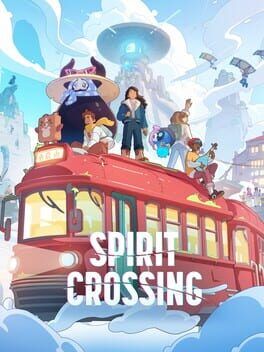

Spry Fox is taking Spirit Crossing from Netflix mobile exclusive to self-published PC MMO. Here’s what the 2026 Steam launch means, how development is changing post-Netflix, what the latest previews reveal about its low-stress community design, and where it fits in the new wave of social cozy games like Palia and Fae Farm.
Spirit Crossing is quietly lining up to be one of the most interesting cozy MMOs on the horizon. After a stint as a Netflix mobile exclusive, Spry Fox has bought itself back from Netflix and is preparing a full PC launch on Steam in 2026, with development now firmly under its own roof.
A newly indie Spry Fox and a fresh PC push
Spry Fox’s history with Spirit Crossing is already unusual. The studio was acquired by Netflix in 2022, and Spirit Crossing entered early play on mobile through the Netflix Games program, included at no extra cost for subscribers. In late 2025, Spry Fox’s co-founders bought the studio back, returning it to independent status while keeping the existing Netflix mobile version online.
That split defines Spirit Crossing’s future. On mobile, Netflix will remain the publisher and Spirit Crossing will stay bundled into the Netflix subscription on iOS and Android. On PC, Spry Fox is going fully self-published, bringing the game to Steam in 2026 as a standalone release. The team describes this as a chance to grow the game into a long-term, cross-platform community instead of a short-lived content drop.
For Spry Fox, which built its reputation on smaller, heartfelt games like Cozy Grove and Alphabear, Spirit Crossing is its most ambitious project yet. The PC version is not positioned as a quick port. Instead the developers talk about rethinking interfaces, input, and social tools to better suit desktop play and longer sessions, while still keeping the low-pressure, snackable feel that made the mobile version appealing.
What the latest trailers and previews show
Recent previews and trailers emphasize the game’s focus on gentle cooperation rather than progression pressure. Spirit Crossing is a non-PvP MMO set in a lush, softly colored world where players are grouped into small sub-communities called Waystations. Each Waystation is a shared hub that players gradually build, decorate, and reinforce together.
Footage shows players tending communal gardens, placing furniture, and slowly transforming an initially modest camp into something that reflects the group’s personality. Instead of combat, the main activities center on gathering, crafting, and expressive play. Cooperative harvest runs, impromptu dance circles, and collaborative mural painting appear regularly in the marketing, pushing the idea of a world that is more about hanging out than overcoming danger.
One of the standout ideas is the friendship progression system. Rather than dumping every social feature on players at the tutorial, Spirit Crossing unlocks tools as relationships deepen. Early on you might only be able to wave, chat, and do basic co-op chores. As you spend time around the same people and complete activities together, you start to unlock proximity voice chat, two-player emotes, and more nuanced gift-giving options.
This structure serves two purposes. It gives players a tangible sense of social progression that does not rely on damage numbers or raid loot, and it reduces the risk of early-session trolling in voice chat by tying powerful social tools to time invested with specific friends. It also suits Spry Fox’s stated goal of making Spirit Crossing a game about shared experiences and mutual care, not just a new set of daily checklists.
A low-stress MMO in a high-pressure genre
Most MMOs are built around vertical progression and competitive pressure. Spirit Crossing is trying to step away from that. There is no PvP, and nothing in the current marketing suggests traditional gear scores, raids, or ranked ladders. Instead, the tension comes from managing your community space together, keeping your Waystation thriving, and helping each other unlock new expressions and decorations.
Previews highlight an ever-changing world, which appears to mean regular environmental shifts, traveling events, and seasonal-style updates that alter the look and feel of shared spaces. Think of it as a persistent backdrop for social rituals rather than a treadmill of escalating challenges. Spry Fox leans into soft edges and approachable UI elements, signaling that this is meant to be something you can log into after work without feeling like you are falling behind.
The closest comparisons are other social cozy worlds that downplay combat: Palia, Fae Farm’s multiplayer, and even long-running staples like Animal Crossing and Stardew Valley’s co-op. Spirit Crossing sets itself apart by unapologetically wearing the MMO label and leaning into infrastructure like proximity voice chat, large shared hubs, and persistent communities of strangers mixed with friends.
Where Palia still echoes classic MMO design with item power and quest chains, Spirit Crossing seems more like an ongoing community project. Fae Farm offers homesteads and mild dungeon crawling for small groups. Spirit Crossing pushes wider, aiming to be a virtual neighborhood that lives somewhere between a farm-sim and a social platform.
Platforms and cross-play potential
On paper, Spirit Crossing’s platform strategy is straightforward. The game is already live on mobile via Netflix for iOS and Android, where it is included as part of the subscription. The newly announced PC version is coming to Steam in 2026, self-published by Spry Fox.
What is less clear is how those ecosystems will talk to each other. The studio has not firmly confirmed cross-play or cross-progression between Netflix mobile and Steam PC, but the MMO structure and community-first positioning make it a natural expectation. Fans are already asking whether they will be able to bring their existing Waystation progress from phone to PC, or whether the Steam release will start fresh on separate servers.
Interface work will be a major part of the PC pivot. Trailers suggest better camera control, more precise building tools, and expanded chat features on desktop. The team has hinted that some social tools, especially voice chat, will feel more at home on PC, with mobile remaining the pick-up-and-play version.
Monetization expectations after Netflix
The monetization story is one of the biggest open questions around the Steam release. On mobile, Spirit Crossing is effectively prepaid by the Netflix subscription. There are no up-front costs and no separate microtransactions advertised, which fits Netflix’s current approach to games.
On Steam, Spry Fox will need a different model. Public details are still sparse, but there are a few likely options:
A one-time purchase with ongoing free updates would fit Spry Fox’s previous premium games. This is the most straightforward route and would likely be well received by the cozy game audience, who often prefer clear, non-exploitative pricing.
A free-to-play model with cosmetic microtransactions is also possible, especially given the MMO framing and the focus on fashion, housing, and expressive emotes. If Spirit Crossing follows trends in social sims, expect any monetization to target decorations, outfits, and visual flourishes rather than power or progression.
A subscription of its own seems less likely, given the crowded landscape and the perception hurdle of moving from “included in Netflix” to another monthly fee. So far, Spry Fox’s messaging is more about accessibility and community growth than recurring payments.
Until Spry Fox shares specifics, fans are left speculating based on its history of player-friendly designs and the cozy genre’s aversion to aggressive monetization. The team will need to communicate clearly how PC players are paying for the game and how that compares to the all-in Netflix model on mobile.
Where Spirit Crossing fits among modern cozy MMOs
Spirit Crossing is arriving in a wave of social, low-stress online worlds. Palia, Loftia, Fae Farm’s co-op, and a host of smaller projects are all trying to answer the same question: what if MMO-like persistence and social play were built around comfort, friendship, and creativity instead of combat.
Palia aims to be a full-featured MMO where you can ignore combat, but it still borrows a lot from traditional online RPGs. Loftia leans into climate themes and sustainability. Fae Farm offers a more limited but highly polished co-op farm life with gentle dungeon delves. Spirit Crossing, by contrast, appears to be the most committed to being a “hangout MMO,” clearly invested in systems that support downtime, shared rituals, and long-term neighborhood building.
By structuring play around Waystations, Spirit Crossing effectively formalizes the “small town” fantasy that many cozy fans want. You are not just visiting an instanced farm or a friend’s island. You belong to a permanent, evolving little community, tied together by progression systems that reward showing up for each other over time.
If Spry Fox can nail stable servers, thoughtful cross-play, and monetization that feels fair, Spirit Crossing could become a go-to hub for people who love Animal Crossing-style vibes but crave a persistent online world that lives beyond a single hardware generation.
The big questions fans still have
Despite the new PC announcement, Spirit Crossing is still surrounded by unanswered questions that will shape how the community responds.
Players want to know whether cross-play and cross-progression will exist between Netflix mobile and Steam PC, and how Waystations will be structured across regions and platforms.
Technical performance is another concern. The cozy MMO space has seen multiple launches stumble on server stability and lag. Fans are watching to see how Spry Fox plans to scale infrastructure for a potential influx of Steam players layered on top of the existing Netflix audience.
There are also design questions around long-term goals. How deep is crafting, housing, and progression once you have unlocked the core friendship tools. Are there narrative arcs and world events that give communities shared goals, or is it closer to an endless social sandbox.
Finally, monetization details will be crucial. Will the Steam release offer parity with the Netflix version in terms of unlocks, or will some cosmetics be platform-specific. Will there be battle passes or seasonal event tickets, or will Spry Fox stick to simpler models.
Spirit Crossing’s pitch is compelling: a cozy, low-stress MMO about friendships and shared spaces, backed by a studio with a strong feel for emotional, welcoming design. The 2026 Steam launch will be the real test of whether that vision can sustain a larger, more demanding PC audience, while keeping the warmth and gentleness that make the cozy MMO wave so appealing in the first place.