
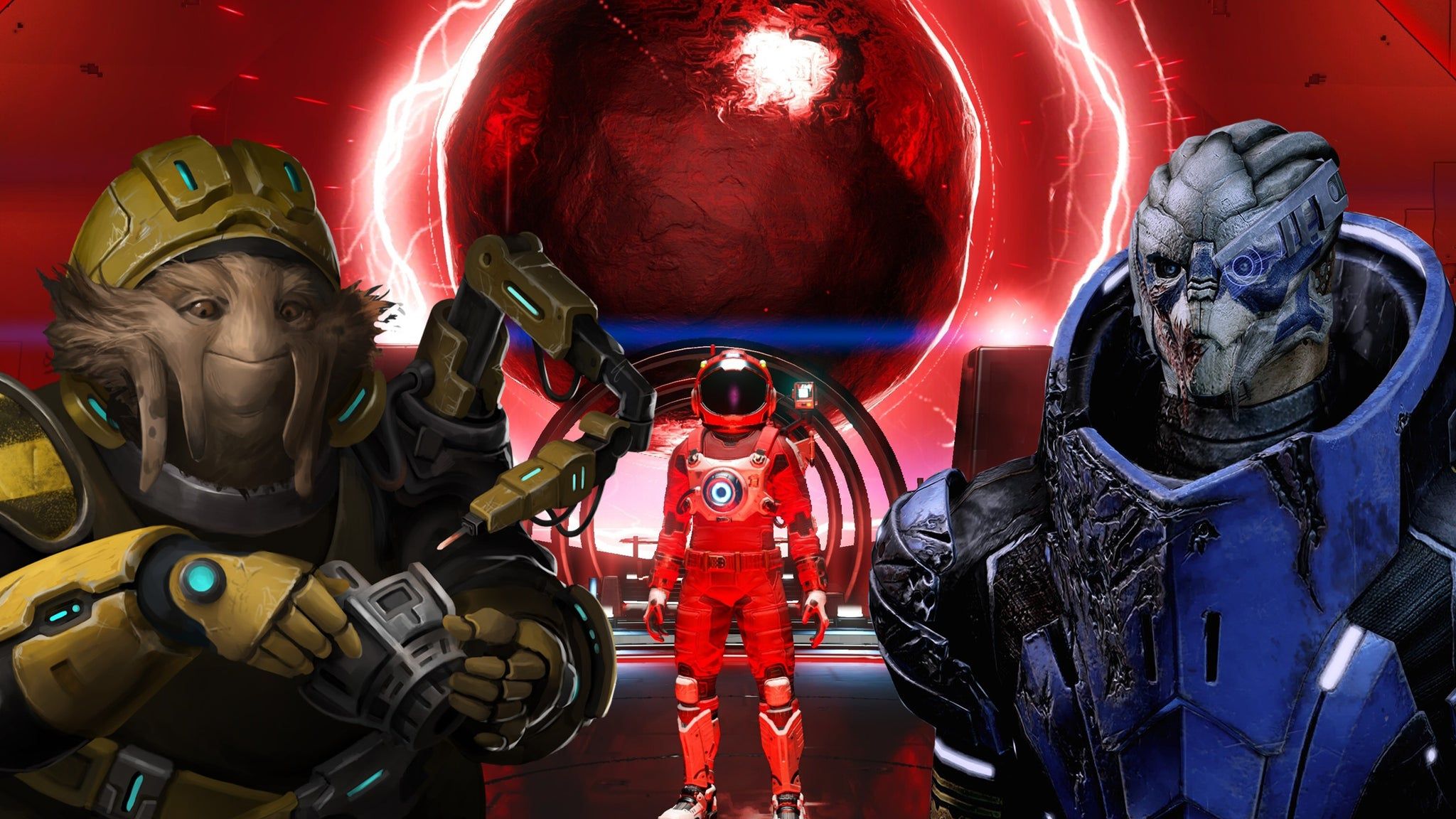

Space News Network is a new indie space exploration game from GeekZebra where planetary discovery feeds a journalism loop of leads, photos, publishing, combat, and subscriber pressure.
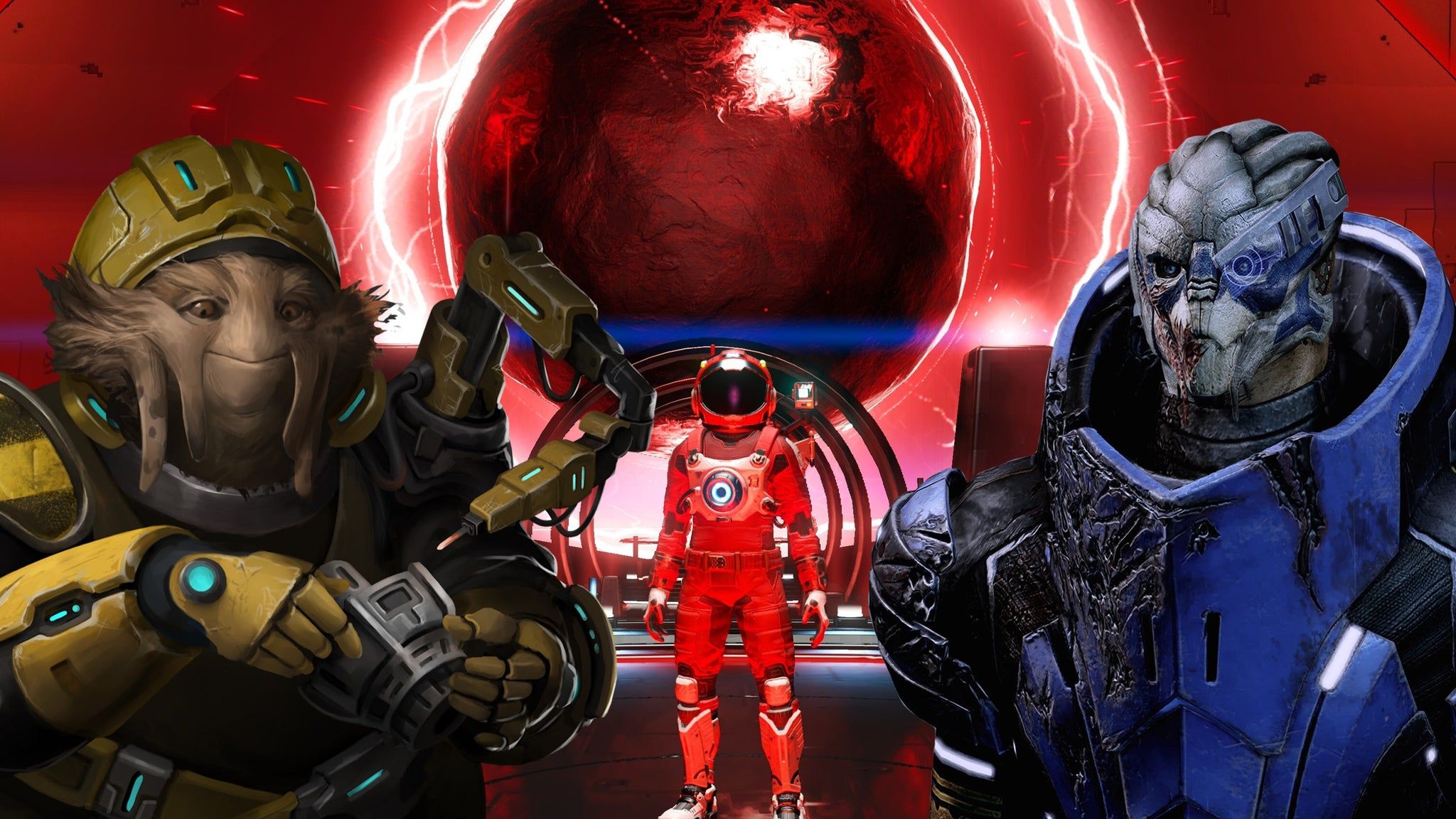
Image: rockpapershotgun.com
A space sim where the scoop is the objective
Space News Network has surfaced in a work-in-progress Itch.io build with a freshly redirected premise: you are a journalist in a beautiful but dangerous sci-fi world, chasing stories across planets instead of simply cataloguing them for personal progression. Developer GeekZebra’s Itch.io devlog describes the setup as a game where “every conversation could become tomorrow’s headline,” with players investigating, earning trust, taking pictures, publishing, and traveling seamlessly to planets without a loading screen.
That is the concrete hook, and it is also where the tension sits. Rock Paper Shotgun frames Space News Network as a No Man’s Sky-esque exploration game, but the comparison only gets you to the launchpad. Hello Games’ No Man’s Sky is built around exploration, survival, combat, and trading across a procedural universe, according to its public reference materials. Space News Network appears to borrow the romance of leaving orbit, landing on strange worlds, and staring at odd lifeforms, then asks a very indie question: what if discovery only counts once you turn it into content that readers actually want?
GeekZebra’s current public pitch is compact, but the available build and developer video point to an indie space game with a sharper job description than most sandboxes. You are not simply a wandering pilot. You are a working reporter with leads to chase, sources to cultivate, pictures to capture, and a publication to keep alive.
The No Man’s Sky comparison is useful, but incomplete
The No Man’s Sky shadow is unavoidable because Space News Network is about flying between worlds, entering atmospheres, encountering alien environments, and surviving danger in space. Rock Paper Shotgun specifically describes it as No Man’s Sky-esque, and the overlap is easy to understand. No Man’s Sky’s public description emphasizes a huge open universe, planets with ecosystems, alien lifeforms, resource mining, combat, trading, and currency earned in part by documenting flora and fauna. Space News Network uses some of the same verbs, but it changes the reason you perform them.
In No Man’s Sky, documentation is one strand in a larger survival and progression web. In Space News Network, documentation appears to be the center of the loop. GeekZebra lists “Find articles,” “Take pictures,” and “Publish” as headline features on Itch.io. Rock Paper Shotgun’s write-up adds that players acquire news either by searching for oddities on planets and in space, or by questioning informants for leads and later quotes. That difference matters because it turns space exploration from open-ended wandering into assignment work.
As an indie pitch, that is a smart narrowing of scope. Space is infinite in marketing copy, but games become memorable through constraints. A subscriber base demanding stronger reporting over time, as Rock Paper Shotgun describes from the overview video, gives Space News Network a pressure system that pure sightseeing often lacks. The player is still drawn outward by curiosity, but the game is also asking whether the trip produces a story worth publishing.
Reporting, sources, and the promise of an editorial loop
The most distinctive Space News Network gameplay detail is its publishing layer. According to Rock Paper Shotgun, stories are assembled through a simplified InDesign-style tool where players drag text and pictures onto a template. That suggests a loop that begins with exploration, runs through conversation and evidence gathering, and ends with layout rather than a conventional quest reward screen.
GeekZebra’s own devlog supports that direction, describing a game about investigating, earning people’s trust, and uncovering stories worth publishing. The Itch.io page also mentions a fully customizable spaceship and seamless planetary travel, which means the journalism layer is being grafted onto space-sim movement rather than presented as a menu-only newsroom game. That combination is the interesting craft problem: Space News Network has to make both the journey and the write-up satisfying.
There are still important unknowns. Rock Paper Shotgun notes that it is hard to tell from the video how much editorial control players will actually have. The source raises questions about whether stories are canned unlocks tied to quest completion, or whether players can choose angles, biases, or depth of research. The public materials provided here do not answer that. For now, the confirmed loop is investigation, leads, photos, publishing, and reader demand. The unconfirmed part is how much authorship the player has inside each article.
That distinction will decide whether Space News Network feels like a charming quest game with a newspaper skin or a genuine No Man’s Sky journalist game where reporting choices carry weight.
Danger keeps the press run from becoming cozy
Space News Network is not being pitched as a peaceful photography walk through the stars. GeekZebra calls its world beautiful but dangerous. Rock Paper Shotgun describes pirate blockades, descents through atmosphere, encounters with unidentified fauna, and bandit-blasting as part of the trip. The video coverage cited by the outlet also points to errands such as mining asteroids for informants, which positions resource gathering as a social transaction rather than pure survival maintenance.
That detail is small but revealing. If an informant needs a job done before offering a lead or quote, Space News Network is using familiar space-game chores to create reporting access. In a less interesting design, mining is simply what you do to upgrade gear. Here, at least in the scenario Rock Paper Shotgun describes, it can become a cost of sourcing. The player may still be shooting, mining, and flying, but those actions are tied to the newsroom fantasy.
The risk is that these systems could pull against each other. Combat, resource collection, planetary travel, source conversations, photography, layout, and subscriber management are a lot for a small indie project to balance. If the dangerous-world layer becomes routine busywork, the journalism premise could feel decorative. If the subscriber and reporting demands are too rigid, the pleasure of space exploration could narrow into checklist chasing. The best version is the one suggested by the pitch: danger gives every assignment texture, while the publication gives every expedition a reason to matter.
A public work-in-progress with a recent change in direction
This is early, public, and still moving. GeekZebra’s Itch.io listing offers a downloadable SNN.zip marked at 298 MB in the source material, and Rock Paper Shotgun says there is a work-in-progress build on Itch.io. IndieDB’s post for “Journalism V0.0.13” describes a “major change in the direction of the game,” with a new title and a change to the gameplay loop. A later Itch.io entry listed in the source material is titled “Small bug fix V0.0.13.1,” which indicates active iteration around that version.
The current listing tags Space News Network as 3D, exploration, sci-fi, singleplayer, space, space sim, and Unity. It also lists accessibility features including subtitles, configurable controls, and an interactive tutorial. Those are storefront-style claims from the Itch.io page, so they should be treated as the current public listing rather than a final certification of the full release.
Release timing is the big practical gap. Rock Paper Shotgun says the full version is out “as and when,” and the provided developer listing does not give a final date, price, or platform spread beyond the Itch.io availability of the current build. Readers interested in testing Space News Network can look at the Itch.io page now, but anyone waiting for a finished release should treat the project as unannounced on timing until GeekZebra states otherwise.
The indie appeal is in the awkward friction
Space News Network stands out because it gives a familiar space exploration fantasy an unglamorous job to do. Most games about flying through strange systems invite the player to be a survivor, trader, soldier, builder, or collector. GeekZebra’s game asks you to be the person who turns a blue glowing substance, a suspicious informant, or a dangerous planetfall into tomorrow’s headline.
That is a warm little design pivot with real bite. Subscriber pressure, as reported by Rock Paper Shotgun, means the audience inside the game can become a force pushing players toward harder stories. Informants with distinct personalities and professions can make discovery social instead of purely geological. A layout tool can turn the end of an expedition into a moment of authorship, provided the final game gives players meaningful choices over framing and evidence.
The No Man’s Sky comparison will help people find Space News Network, and it is fair as a starting point for its space travel and exploration structure. But the more useful search term may be space exploration indie game with a newsroom loop. The confirmed materials show a project about flying, investigating, photographing, publishing, and surviving long enough to file. The open question is whether GeekZebra can make those pieces sing together rather than compete for attention.
For now, Space News Network is one to watch precisely because it sounds a little messy in a human way. Space is vast, readers are needy, sources want favors, and somewhere between the asteroid mining and the page template there may be a genuinely fresh rhythm for indie sci-fi.