
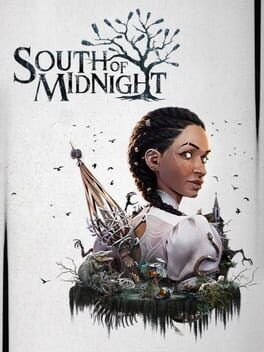
Compulsion Games’ acclaimed deep‑South folktale crosses the platform divide on March 31, and Switch 2 might be the perfect home for its painterly horror and laid‑back exploration.
South of Midnight is finally stepping out of Xbox’s shadow. On March 31, Compulsion Games’ Southern Gothic action adventure arrives on Nintendo Switch 2, marking the first time Hazel’s folktale road trip will sit on the same shelf as Zelda and Mario.
This is more than just another port with a new date attached. For a game that lives and dies on mood, art direction and a sense of place, Switch 2 could be the platform that quietly gives South of Midnight its biggest audience yet.
A former exclusive finds a new crowd
Originally launched in April 2025 on Xbox Series X|S and PC, South of Midnight built a reputation as a slow‑burn cult hit. Its critical acclaim and word of mouth never quite matched the size of its actual player base, which was tied to Xbox hardware and Game Pass.
Switch 2 changes that equation. Nintendo’s hybrid has historically been friendlier to slower, more atmospheric adventures than to flashy technical showcases. Games like Kentucky Route Zero, Cozy Grove and Spiritfarer all found second lives when they could be played in bed, on a commute or in those 20‑minute gaps that don’t suit a 100‑hour RPG.
South of Midnight fits that pattern almost perfectly. Its structure leans into discrete episodes built around new pockets of Deep South folklore, quiet stretches of exploration and dialogue, and bursts of combat that punctuate rather than dominate the pacing. Being able to dip into a chapter on the couch, then pick up right where you left off in handheld mode, plays to the game’s strengths instead of fighting them.
It also matters that this is one of the first Xbox‑published narrative adventures to arrive on Nintendo’s new machine day‑and‑date with another platform. That helps the Switch 2 version escape the usual “late port” stigma and invites Nintendo‑first players to treat it as a proper spring headliner rather than a backlog curiosity.
Why its art direction should sing on Switch 2
What makes South of Midnight memorable is not raw fidelity but how every element of its presentation reinforces the idea of a living folktale. Compulsion leans into a stylized, almost stop‑motion look, with characters that move in slightly exaggerated rhythms and environments that feel like hand‑painted stage sets drenched in humidity.
Swamp water glows with sickly greens, Spanish moss droops across the frame like curtains, and neon jukebox light spills out of roadside bars just enough to suggest a story without spelling it out. The art team mixes painterly textures with bold silhouettes, so scenes remain readable even when you are playing on a smaller handheld screen.
Switch 2’s upgraded display and horsepower should be a good fit for this kind of stylization. You are not relying on hyper‑detailed textures or ray‑traced reflections to sell the vibe. What matters is strong color contrast, clean animation and stable performance when Hazel snaps into her weaving abilities. Those are all areas where stylized third‑person games have traditionally fared well on Nintendo hardware.
That same art direction also helps South of Midnight stand out in the growing crowd of third‑party action adventures now heading to the system. Where a lot of multiplatform titles aim for cinematic realism, this one looks like a ghost story told through motion‑comic panels and Southern porchlight. Screens of the game are instantly recognizable, which should help it cut through the noise of the eShop’s new‑release feed.
Southern Gothic, not generic spooky swamp
The setting is not just set dressing. South of Midnight is steeped in Southern Gothic tradition, which gives it a very different energy from the usual “dark forest” fantasy.
Instead of medieval castles or post‑apocalyptic ruins, you get leaning shotgun houses, forgotten river towns and fairgrounds abandoned after one too many tragedies. Folkloric creatures are pulled from Southern myth and blues history rather than generic monster manuals. You are just as likely to cross paths with a larger‑than‑life musician spirit on a bayou dock as with a shadow hunched under a cypress tree.
The narrative tone walks a tightrope between macabre and warm. There is horror in the curses Hazel uncovers and the generational wounds she has to mend, but there is also music, humor and a sense of community. The game often lingers on quiet chats on porches or by campfires, where accents, idioms and tall tales do as much world‑building as any cutscene.
For Nintendo players used to supernatural stories framed through anime, high fantasy or sci‑fi, this flavor of magic can feel refreshingly grounded. It is closer to a ghost story told by an older relative than to a typical action‑horror campaign. That makes South of Midnight a compelling companion to Switch 2’s existing lineup, which rarely taps this particular mix of culture, history and myth.
What Nintendo players should watch for at launch
If you are eyeing South of Midnight for Switch 2, there are a few things worth paying attention to on day one.
First is how the performance holds up in both docked and handheld modes. The game’s combat sequences tend to lean on weaving abilities that twist the environment and throw a lot of particle effects around Hazel. Those moments need steady frame pacing to feel responsive. Watch for early footage and impressions that specifically mention handheld performance, not just docked captures.
Second is how the controls feel on Switch 2’s Joy‑Con and Pro Controller layouts. South of Midnight mixes third‑person traversal, close‑quarters combat and ranged weaving abilities mapped to different inputs. If Compulsion offers flexible remapping and sensitivity tweaks, it will go a long way toward making the Switch 2 version comfortable for long, portable sessions.
It is also worth checking what visual options the port ships with. If there is a choice between resolution‑focused and performance‑focused presets, Nintendo players who care more about responsive combat may want to prioritize the smoother mode, especially in handheld play where pixel density is less noticeable.
Finally, look at how the game uses system‑level features. Quick resume‑style suspend and resume is inherent to Switch, but things like subtle haptic feedback, motion‑assisted camera controls or touch‑driven menu shortcuts could give this version a little extra personality if Compulsion has taken the time to integrate them.
A second life that could become the definitive one
South of Midnight’s move to Switch 2 is not just a business story about one more former exclusive going multiplatform. It is a case where the design and tone of the game line up almost perfectly with what Nintendo players tend to embrace.
This is a narrative‑heavy adventure that rewards curiosity, so the ability to chip away at its mysteries in portable bursts is a real advantage. Its distinctive, hand‑crafted look is exactly the kind of art that survives the jump to a smaller screen without feeling compromised. And its Southern Gothic setting fills a gap in the Switch 2 library that few other titles are positioned to address.
If the port lands well on March 31, there is a real chance that for many players South of Midnight will be remembered first and foremost as a Switch 2 story. For a game about weaving new futures from old, haunted threads, that feels like a fitting twist in its own folktale.