
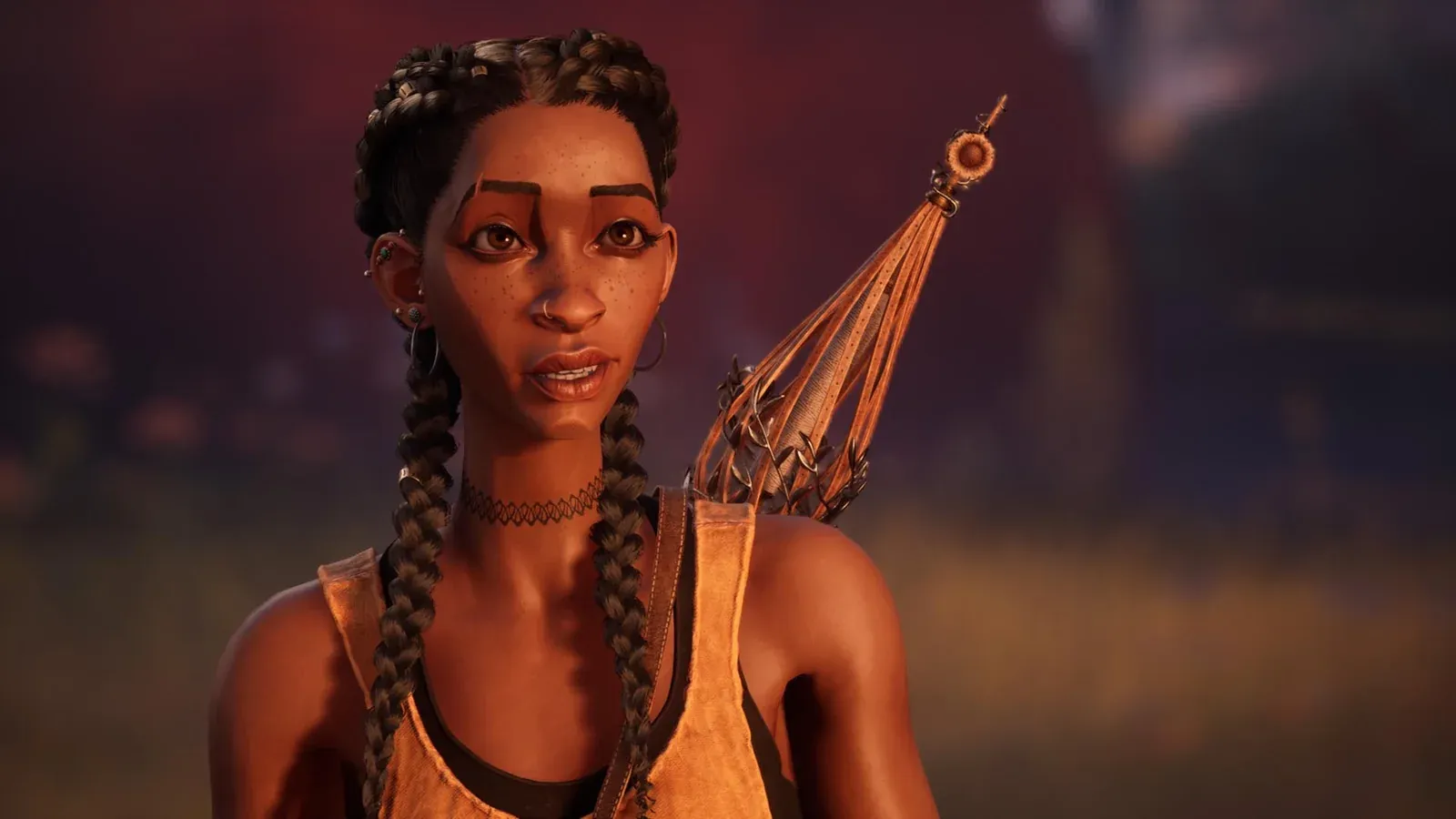

South of Midnight director David Sears says Xbox’s funding approach looked unsustainable in hindsight, offering a candid case study in creative value, Game Pass-era metrics, and first party risk.
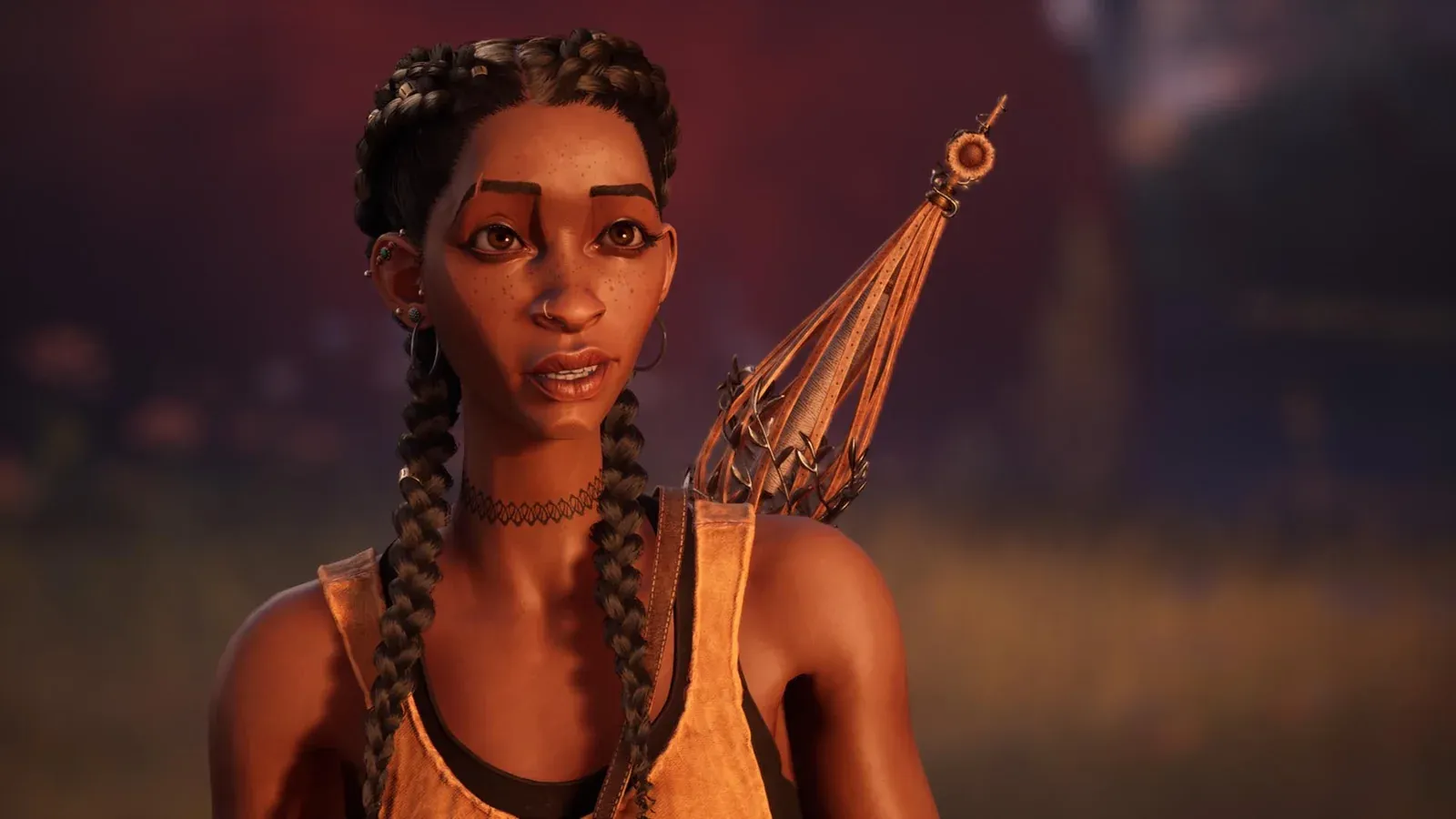
Image: techtroduce.com
Sears says the Xbox money flow always looked fragile
South of Midnight creative director David Sears has said that, if he had been in Xbox’s position, he probably would not have funded South of Midnight in the same way, even though he wanted to make the game and remains clear that Microsoft enabled it. The comments came in a MinnMax interview reported by Rock Paper Shotgun, VGC, Kotaku, Pure Xbox, Wccftech, and Windows Forum, and they land after Compulsion Games was separated from Xbox during Microsoft’s 2026 restructuring.
The most direct exchange came when MinnMax’s Ben Hanson summarized Sears’ position as gratitude for Microsoft’s support, paired with the view that Sears might not have funded the project himself. According to the quoted remarks carried by multiple outlets, Sears answered, “Yeah, probably.” He added that he “wanted to make it” and that the team did make it, but said that in hindsight the funding approach “was unsustainable.”
Sears framed the problem as a risk he saw during development rather than a lesson invented after the fact. Rock Paper Shotgun and Pure Xbox both quote him saying he warned people that someone would eventually say the “money tap” or “floodgates” were closing, creating “really traumatic results downstream.” His phrase, “There’s always a night when Rome burns,” has become the sharpest shorthand for the interview because it captures the tension inside a first party portfolio built on both creative differentiation and corporate discipline.
A business critique, not a dismissal of the project
The important distinction in the South of Midnight director comments is that Sears was not saying South of Midnight lacked artistic value, nor that Compulsion Games should have avoided making it. He was answering a hypothetical about whether he would have kept spending someone else’s money if he were the publisher responsible for the wider balance sheet.
That distinction matters because South of Midnight was always described, by its own studio leadership, as the kind of game that gives a platform identity rather than the kind expected to behave like Call of Duty. VGC quotes Compulsion Games CEO Guillaume Provost saying at launch that the studio’s role at Xbox was “not to make blockbusters like Call of Duty,” but to make games that add distinctiveness, serve audiences that have not been served before, or diversify the portfolio.
Sears’ argument fits that earlier positioning. In the MinnMax interview, as reported by Rock Paper Shotgun and Kotaku, he described major publisher projects as generally needing to do one of two things: make a lot of money, or raise the prestige of the brand by becoming a cultural touchstone. He placed South of Midnight closer to the prestige side of that split. That does not make the project a failure by creative standards. It does make it vulnerable when the company funding it starts ranking studios by short-term commercial defensibility.
A million players did not answer the revenue question
VGC reports that South of Midnight launched for Xbox consoles and PC in April 2025, then came to PS5 and Switch 2 in March 2026. The same report says the game attracted more than one million players in its first three weeks, a figure that included both direct sales and players accessing it through Game Pass.
That detail is central to the South of Midnight Xbox funding debate. A player milestone can show reach, awareness, and audience curiosity. It does not, by itself, reveal revenue, margin, budget recovery, or the value Microsoft assigned to Game Pass engagement. The source material does not provide South of Midnight’s budget, unit sales split, completion data, subscriber impact, or post-launch revenue. Without those numbers, no outside reader can calculate whether the game made financial sense for Xbox.
Sears’ comments are therefore less a verdict on one title’s commercial performance than a warning about portfolio math. A subscription-backed first party strategy can afford to fund games that broaden taste and identity, but only while leadership believes the combined portfolio returns justify that spending. If the prestige projects are inexpensive, or if a few larger hits subsidize them, the model has room. Sears’ fear, as quoted by Pure Xbox and VGC, was that the ecosystem rarely stays that neat. When a company decides the spending curve has outrun the return curve, the smallest or least profitable bets have the weakest defense.
Compulsion’s spin-out turns the quote into a case study
The comments carry extra weight because Compulsion’s relationship with Xbox changed after South of Midnight shipped. VGC reports that in July 2026 Microsoft announced plans to cut five studios and thousands of jobs as part of a business reset, and that Compulsion Games was among the affected studios. Rather than being shut down, Compulsion was allowed to become independent again, and the studio later said it was seeking partners for new projects.
Rock Paper Shotgun similarly describes Compulsion as having parted ways with Xbox as part of Microsoft’s multi-round mass cuts. Kotaku notes that Compulsion is now free to pursue work independent of Xbox, while also pointing back to the studio’s history with We Happy Few and its acquisition by Microsoft ahead of that game’s 2018 release.
Sears did not present Microsoft as a simple villain in the interview. Multiple outlets quote him praising modern Microsoft as “more humane” than the version of the company he knew in the 1990s and early 2000s, specifically because studios were allowed to spin out rather than simply being closed. That praise sits beside the funding critique rather than cancelling it out. His position is uncomfortable because it can hold two things at once: Xbox gave Compulsion room to make a distinctive game, and the structure that made that possible may not have been durable once Microsoft tightened its first party priorities.
The strategic lesson for Xbox first party spending
Seen through an Xbox first party strategy lens, South of Midnight now looks like a stress test for the platform’s creative diversification push. Microsoft funded a portfolio that included smaller, distinctive projects alongside larger commercial bets. Sears grouped South of Midnight with games such as Double Fine’s Keeper and Obsidian’s Pentiment as examples of work that can add prestige, variety, or cultural identity rather than chase the biggest immediate audience.
That kind of portfolio has a clear strategic appeal. It gives Game Pass a broader texture, gives Xbox a reason to talk about creative range, and lets internal studios make games that competitors may not fund at the same scale. The risk is that those advantages are hard to defend when leadership demands cleaner financial proof. Prestige compounds slowly, while layoffs and budget resets happen on quarterly and annual timelines.
Sears’ most useful observation is about obligation. As quoted by VGC and Pure Xbox, he said he did not want the burden of a giant budget or an “army of 600,” and wanted to make something that would not bankrupt Microsoft or the games division. That is a production strategy point as much as a personal preference. If platform holders want unusual games to survive corporate resets, scope control may matter as much as artistic ambition. The less a project needs to justify itself like a blockbuster, the better chance it has of surviving as a portfolio differentiator.
What players can safely take from the comments
For players, the practical facts are straightforward. According to VGC, South of Midnight is available on Xbox consoles and PC from its April 2025 launch, and later reached PS5 and Switch 2 in March 2026. The provided sources do not include current pricing, performance data, patch status, or platform comparison details, so those remain outside what can be responsibly reported here.
The comments also should not be read as Sears disowning the game. The consistent thread across the reports is that he wanted to make South of Midnight and appreciated Microsoft’s support, while now judging the funding environment around it as unstable. That is a narrower, sharper claim than saying the game should not exist.
For smaller studios watching Compulsion Games South of Midnight from the outside, the signal is harsher. Xbox game funding can create opportunities that traditional publishing might not. It can also expose teams to strategic reversals when a platform holder changes its appetite for risk. South of Midnight may ultimately be remembered as both a creative win for a studio with a distinct voice and a warning that prestige projects need a funding model built for the day after the golden era ends.