
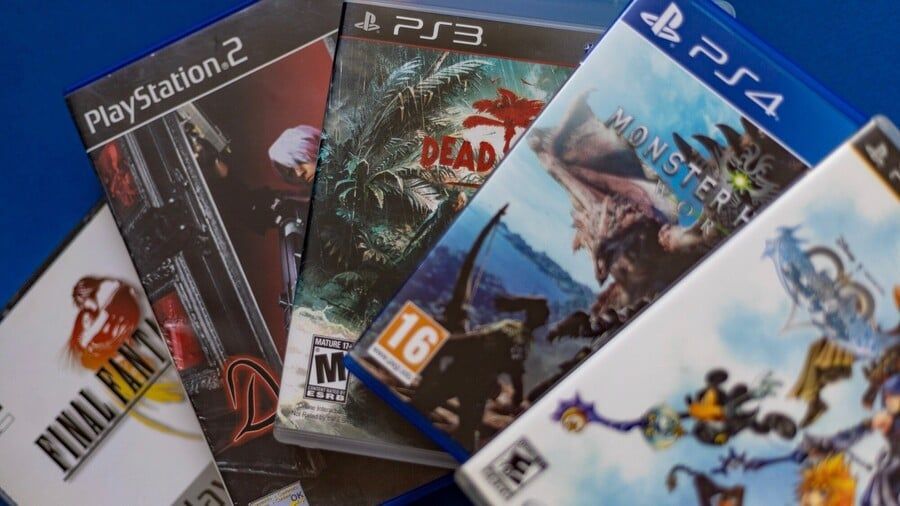

Sony's plan to stop producing new PlayStation game discs in 2028 is confirmed, but the claim that it will not reverse course is analyst expectation, not a new company statement.
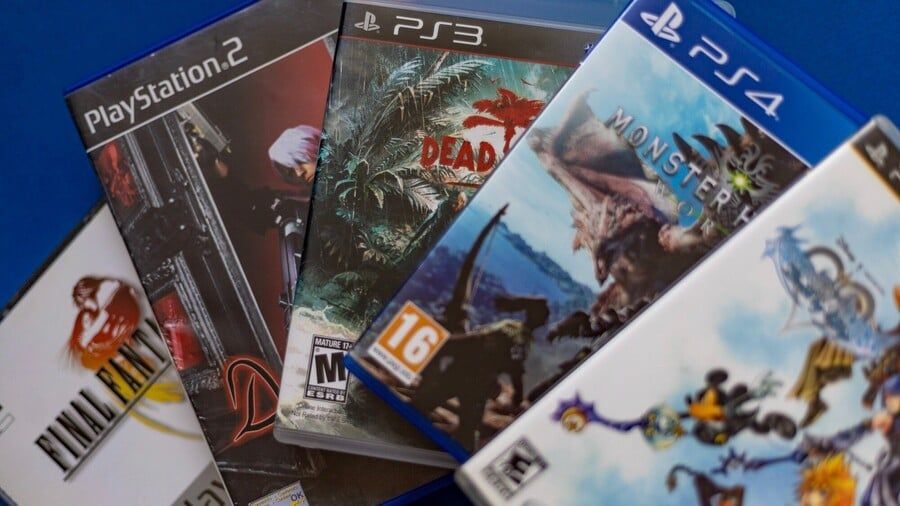
Image: pushsquare.com
Sony has set a 2028 disc cutoff, and analysts do not expect a retreat
Sony's confirmed plan is that physical game disc production for new PlayStation releases will be discontinued starting in January 2028. The latest argument now circulating around Sony physical games is sharper but less official: Dr. Serkan Toto, CEO of Japanese games industry consultancy Kantan Games, told IGN, as quoted by Operation Sports, that Sony is unlikely to reverse course because digital distribution is too profitable and the company can wait for the backlash to fade.
That distinction matters. The end of new PlayStation game discs from January 2028 is the reported company decision, sourced through Sony's PlayStation Blog announcement as cited by The Guardian and Tech Insider. The idea that Sony will simply absorb the anger, including canceled PlayStation Plus subscriptions, is an analyst's read on Sony's incentives. It is not a fresh Sony statement, not a leaked internal memo, and not a confirmed update to the policy.
The tension for PS5 physical games collectors is immediate. Sony is not saying that existing discs will stop working, and the supplied source material does not support any claim that current PS5 disc libraries are being disabled. The confirmed change concerns production of physical discs for new PlayStation games released from January 2028 onward. For players who buy, lend, resell, import, archive, or simply like seeing a small game earn a permanent spot on a shelf, that still redraws the future of the platform.
What Sony has actually confirmed about PlayStation physical games
According to Tech Insider's quotation of Sony's announcement, attributed to Sid Shuman, Senior Director at Sony Interactive Entertainment, physical game disc production for all new games releasing on PlayStation consoles will be discontinued starting in January 2028. The same quoted statement says that after that date, new games will be available through PlayStation Store and at retailers in digital formats only.
That wording leaves a few practical boundaries. It describes new games released from the cutoff onward. It does not, in the provided source material, announce a shutdown of already manufactured PS5 physical games, a block on used discs, or a disabling of disc drives. The Financial reports that games released before January 2028 will continue to be sold in physical form, though readers should treat that as a report about availability rather than a detailed Sony guarantee about every SKU, region, or print run.
Retail also does not necessarily disappear from the chain. Tech Insider interprets Sony's statement to mean retailers can continue to sell post-2028 releases in digital formats, such as code-based products rather than Blu-ray discs. That is a significant change for collectors because a boxed code is not the same object as a playable disc. It can preserve a storefront transaction and a cover on a shelf, but it does not preserve the same resale, lending, installation, or archival value associated with PlayStation game discs.
For now, the safest reading is narrow: Sony has committed to ending new physical disc production for future PlayStation releases starting in January 2028. Everything beyond that, including how long specific older discs remain in print, how retailers present digital products, and how exceptions might be handled, remains either unannounced or dependent on later clarification.
The analyst claim rests on Sony's digital economics
Operation Sports framed the new analyst response around a protest campaign by players canceling PlayStation Plus subscriptions after Sony's disc announcement. The site quoted Toto's argument through IGN: Sony has over 120 million active PlayStation users and around 50 million PlayStation Plus subscribers, and even a hypothetical 500,000 cancellations would represent about 1% of that subscription business. Toto's conclusion, as quoted by Operation Sports, was blunt: digital is too lucrative.
That is expectation, not confirmation. Sony has not said in the provided material that it will ignore cancellations, nor has it published a threshold for reconsidering the disc decision. Toto is making a business judgment based on the scale of PlayStation's audience and the economics of digital distribution.
Other source material points in the same direction without proving Sony's future behavior. Polygon reports that Sony recently said 85% of its fourth-quarter PlayStation 5 game sales were digital, citing Gamespot's coverage of Sony's figure. Tech Insider goes further by reporting that physical software accounted for 3% of Sony's gaming revenue in 2024. If those figures are read together, the incentive is clear: the disc business now appears small beside Sony digital games, where platform holders can reduce manufacturing and logistics costs while keeping players inside the PlayStation Store ecosystem.
Still, readers should be careful with the word "final." The decision is announced, and the business case for reversing it looks weak in the analyst view supplied here. But no source in the provided material establishes that Sony is legally or technically unable to change course. The accurate version is that Sony has announced a January 2028 cutoff, and at least one industry analyst expects the company not to reverse it.
The backlash is about ownership as much as nostalgia
Reaction has been loud because discs carry practical power. Polygon reports PlayStation fans responded with anger, disbelief, and concern, with subreddit comments focusing on ownership fears, account bans, and lost access. The Guardian describes social media backlash across TikTok and YouTube, plus mock announcements from brands including KFC and Domino's. Operation Sports also notes that fans voiced complaints on social media and that some tried to protest by canceling PlayStation Plus.
Some of the anger is fueled by history. Polygon and The Guardian both point back to Sony's 2013 video mocking Microsoft's Xbox One digital-sharing restrictions, a moment that positioned PlayStation as the friendlier home for lending and sharing physical games. In 2026, those old jokes are being replayed against Sony because the company that used discs as a competitive advantage is now preparing to stop producing them for future releases.
The timing also sharpened the reaction. The Guardian reports that Sony's disc announcement came less than a week after news that 550 movies would be removed from some PlayStation owners' digital libraries because of licensing arrangements. That example concerns film content, not PS5 games, but it landed directly beside the debate over digital ownership. For players, the connection is emotional and practical: if access depends on licenses, accounts, storefronts, and remote servers, the purchase can feel less permanent.
For smaller games, which are my usual beat, this shift has another texture. Physical editions from boutique publishers have often turned a digital discovery into a collectible artifact. A clever platformer, a compact roguelite, or a hand-built indie adventure might not need a disc to function, but a physical run can help a small game feel preserved, giftable, and visible in a market where storefront pages come and go. Sony's 2028 policy narrows that future on PlayStation unless publishers find alternative physical-adjacent formats that still satisfy collectors, and the supplied sources do not show that such a path has been announced.
For PS5 collectors, the window is real but the panic needs precision
If you collect PS5 physical games, the practical takeaway is to separate current discs from future releases. The supplied reporting supports a cutoff for new physical disc production starting in January 2028. It does not support panic claims that your existing PS5 discs are about to be invalidated, that the PS5 disc drive will stop reading games, or that stores must immediately clear every PlayStation case from shelves.
The more realistic pressure is availability. If future games become digital-only at launch, the collector market for late-generation PS5 discs will likely become more sensitive to print runs, regional releases, and the final wave of pre-2028 physical editions. The source material does not provide prices, scarcity projections, or a list of last physical PlayStation releases, so any claim about specific games becoming valuable would be speculation. But collectors already know the pattern from limited runs: once a print window closes, the secondary market tends to decide what permanence costs.
There is also a buyer's-choice issue for families, gift buyers, libraries, preservationists, and players with uneven internet access. A disc can be lent to a friend, resold, displayed, borrowed, or installed without relying entirely on a redemption code. A digital code sold at retail may keep stores involved, but it does not give players the same physical ownership behavior. Sony's statement, as quoted by Tech Insider, emphasizes adapting to consumer trends toward digital media. Collectors are the counter-trend, and the announcement gives them a deadline rather than a compromise.
The best near-term guidance is boring but useful: if a physical PS5 release matters to you for ownership, preservation, or resale reasons, do not assume there will be a later reprint after demand spikes. If you are indifferent to discs and already buy through PlayStation Store, Sony's policy may change little about how you play, aside from making digital access the default for new games after January 2028.
The unanswered questions Sony still needs to settle
The current reporting leaves several important details unresolved. The sources do not confirm whether Sony will make exceptions for collector's editions, accessibility-focused offline installs, specific regions, first-party catalog reissues, cross-generation releases, or third-party publishers with existing physical distribution plans near the cutoff. They also do not clarify how long older PlayStation physical games will continue to be manufactured after January 2028, only that the policy applies to new games released from that point forward.
There is also a platform question hanging over the next PlayStation generation. Tech Insider connects the disc decision to the road toward PlayStation 6, but the supplied material does not include an official PS6 hardware announcement, a disc-drive policy for that console, or compatibility details. Any claim that PS6 will be fully digital-only would go beyond the confirmed evidence here. The stronger supported conclusion is that Sony's software distribution policy is now being aligned toward a digital future before the next hardware cycle is fully public.
The analyst expectation adds pressure rather than certainty. Toto's view, reported by Operation Sports via IGN, is that protests are unlikely to move Sony because the subscription base is large and digital sales are lucrative. Polygon's reported 85% digital PS5 sales figure and Tech Insider's 3% physical revenue figure help explain why that argument is plausible. But plausibility is not the same as a company pledge. Sony can still clarify, adjust, or carve out exceptions, and readers should watch for direct PlayStation Blog updates rather than treating every analyst quote as policy.
For now, PS5 collectors are looking at a shrinking runway for PlayStation game discs, not an immediate disappearance of the discs they already own. Sony's confirmed decision changes the future supply of physical PlayStation games. The analyst claim explains why a reversal looks unlikely. The gap between those two facts is where the next year and a half of collector anxiety will live.