

Sega’s museum pop-ups, narrative podcast and year-long 35th anniversary campaign are more than nostalgia – they’re a statement about where Sonic has been, how his game design evolved from 2D purity to 3D experiments and Frontiers’ open-zone pivot, and where fans hope the Blue Blur races next.
Sonic the Hedgehog turning 35 in 2026 was always going to be loud. Sega is leaning into that expectation with a year-long celebration that spreads across concerts, exhibits, podcasts and community events. On the surface it looks like standard birthday fan service. Underneath, it quietly sketches out what Sonic means in 2026, and where the series might be heading after Frontiers and Sonic Racing: CrossWorlds.
A year-long birthday tour for the Blue Blur
Sega’s anniversary messaging is built around two ideas: celebrating “35 years of speed” and bringing the global fan base together. The official program stretches through all of 2026 rather than clustering around Sonic’s June 21 birthday, and it cuts across physical and digital spaces.
There are museum pop-ups and art exhibits planned for major cities, framed as touring mini-museums for Sonic’s history. These are designed less like traditional displays and more like interactive timelines, with key hardware, concept art and music from different eras. For a character whose identity has bounced between styles and tones for decades, physically walking through that history is a pretty clear statement about continuity.
Live concerts will do something similar for the soundtrack side of Sonic’s legacy. From Masato Nakamura’s Mega Drive work through Crush 40 and Frontiers’ vocal tracks, Sonic music has almost been a franchise of its own. Framing it in dedicated anniversary concerts highlights how much the series’ “feel” has been carried as much by sound as by level design.
On the community side, Sega is planning fan meet-ups, convention tie-ins and other gatherings that sit alongside brand and retail collaborations. Those range from predictable anniversary merch to more experimental crossovers, all filtered through the “Forever Fast” branding that anchors the 35th campaign.
The most intriguing initiatives, though, are digital: a new narrative podcast set in the Sonic universe and an official anniversary site packed with retrospective content, polls and developer spotlights. That mix of physical nostalgia and digital storytelling is a neat match for how Sonic’s games have evolved from tight, 2D cartridge experiences to sprawling, interconnected projects.
What a narrative podcast says about Sonic’s identity
The new Sonic narrative podcast is easy to file under “extra content,” but it lines up with Sega’s growing interest in telling connected stories across games, animation and film. Recent projects like Sonic Prime and the Paramount movies have already widened the audience that cares about Sonic’s world rather than just his level design.
By promising a podcast that tells a fresh story instead of just recapping old games, Sega is signaling that character relationships, tone and lore matter to the brand’s future. That in turn affects how the games are framed. Sonic Frontiers leaned on melancholy storytelling and a more introspective Sonic and Tails. CrossWorlds plays up tournament-style rivalries and a multimedia sports vibe. Both benefit from a fan base that is invested in Sonic’s personality, not just his speed.
If the podcast lands, it could normalize the idea that “mainline Sonic” is a constellation of media with the games as tentpole rather than the only pillar. It also gives Sega room to test new story ideas and character pairings that might leak back into future titles.
From 2D purity to experimental 3D
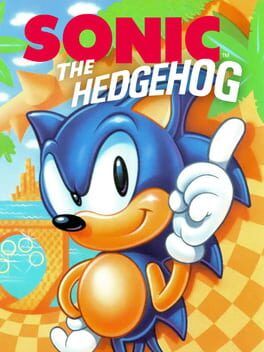
Any look at Sonic at 35 has to start back in 1991. The original Sonic the Hedgehog and its Mega Drive sequels built a design language that still defines the character. Levels were about momentum rather than pure precision. The camera encouraged you to think in curves and diagonals. Zones hid alternate paths that rewarded mastery and risk-taking with faster lines.
Sonic’s early brand identity was just as sharp. He was pitched as the cool, edgy counterpoint to Mario, all spikes, smirks and speed. The games reinforced that image by putting style and flow front and center, while still building in enough platforming to keep high-level play interesting.
The jump to 3D complicated that picture. Sonic Adventure and Adventure 2 on Dreamcast embraced spectacle and cinematic framing, splitting campaigns across different characters and tones. The design was a mix of high-speed set pieces, more traditional platforming and sometimes clumsy experimentation with new mechanics. Sonic’s image broadened from rebellious mascot to ensemble cast leader.
That period also set a pattern that defined Sonic’s 3D life for years: bold ideas, inconsistent execution. Games like Heroes, Shadow the Hedgehog and 2006’s Sonic the Hedgehog kept trying to reinterpret speed in 3D spaces but often ran into camera issues, control quirks and uneven level design. Sonic became a character associated as much with near-misses and “what ifs” as with clean, confident platformers.
Boost, Colors and the search for a modern formula
The late 2000s and early 2010s saw Sonic Team searching for a sustainable 3D template. Sonic Unleashed introduced the boost-style design that would define a generation of games. Daytime stages emphasized lightning-fast, lane-like movement through relatively narrow paths, trading some of the classic games’ exploratory feel for sheer velocity.
Sonic Colors and Sonic Generations refined that formula. Colors pulled back the darker storytelling and focused on inventive level gimmicks and more approachable pacing. Generations used its anniversary framing to split game design in two: classic-style 2D stages that reinterpreted Mega Drive physics, and modern stages that pushed the boost template to its polished peak.
Those games also reset Sonic’s brand identity around energetic optimism and nostalgia. Generations in particular trained fans to see Sonic’s history as a toolkit to remix rather than a linear timeline. That made it easier for Sega to pivot tone from game to game, but it also risked turning the series into a parade of callbacks instead of a forward march.
Frontiers and the open-zone gamble
Sonic Frontiers represented the boldest structural shift since the Adventure era. Rather than doubling down on corridor-style boost design, Sonic Team opted for open-zone spaces that combine freeform exploration with puzzle islands of classic Sonic challenge.
Mechanically, Frontiers lets Sonic build and keep speed in broader environments, using rail networks, springs and climbable structures scattered around expansive islands. It borrows some open-world expectations like map filling and collectible-driven progression, but still tries to preserve Sonic’s sense of flow.
Critically, the execution was uneven. Some players loved the sense of freedom and scale, along with the moodier soundtrack and more reflective story beats. Others found the islands too sparse and repetitive, with traditional cyberspace stages sometimes feeling like bite-sized reminders of earlier, more focused designs.
As a statement of intent, however, Frontiers matters. It suggests Sonic Team knows the series cannot just live on boost corridors and nostalgia reels. Sonic has to work as a character in big, systemic spaces, not just as a mascot hurtling down narrow tracks.
CrossWorlds and the multiplayer future
While Frontiers rethought solo play, Sonic Racing: CrossWorlds points to another axis of experimentation. Spun out of the in-universe game from the Sonic Prime animated series, CrossWorlds leans into competitive and cooperative racing across multiple platforms.
CrossWorlds folds Sonic’s cast and iconography into a multiplayer-first structure. Where older Sonic racing titles like the All-Stars games framed themselves as one-off spinoffs, CrossWorlds is built for long-tail support, seasonal updates and cross-media tie-ins. Its presence across the 35th anniversary marketing, including event demos and potential tournament activations, shows how central it is to Sega’s near-term Sonic strategy.
Framing a racing title as one of the touchstones of a milestone year underlines that Sonic’s brand identity in 2026 is as much about shared experiences as it is about solo speedruns. Fans are meant to encounter Sonic at concerts, exhibits, watch parties and online leaderboards as much as in a single new platformer.
What fans want from a 35th anniversary Sonic
Within the fan community, the 35th anniversary has reignited familiar debates about where the mainline games should go next. Some players want a full return to the Adventure-style mix of hub areas, character variety and big story arcs. Others would rather see the Frontiers open-zone idea taken to its logical conclusion with denser islands, more complex physics and fewer filler tasks.
There is also constant demand for nostalgia-driven projects. Collections that properly preserve and enhance Mega Drive and Saturn-era titles, or remakes that bring Adventure and its sequel up to modern technical standards, are frequent wishlist items. The anniversary’s museum pop-ups and digital retrospectives make those hopes feel louder, but Sega has been careful not to promise anything specific so far.
Another thread in fan conversations is a desire for tighter focus in Sonic’s abilities. Some players would prefer Sonic Team choose a core identity for modern Sonic gameplay and refine it, rather than reinventing the wheel every few years. That could mean doubling down on momentum-based physics in 3D, finally solving the long-standing challenge of making classic-style movement work in open spaces without sacrificing control.
At the narrative level, fans who appreciated Frontiers’ more character-driven script are hoping the 35th anniversary content shows that wasn’t a one-off. The new podcast and anniversary trailer, which highlight relationships and emotional beats alongside action clips, hint that Sega sees value in that direction.
What the 35th anniversary is likely to deliver
Looking at Sega’s messaging and the slate of announced activities, it feels unlikely that the 35th anniversary will hinge on a single tentpole release. Instead, the year is structured around a steady drumbeat of events, collaborations and digital projects.
Realistically, fans can expect more focused support for existing games before a whole new mainline platformer lands. Frontiers-style follow-ups, significant content expansions, or new modes and tracks for CrossWorlds fit comfortably within the anniversary window. So do expanded classic game collections or smaller-scale experiments that build on Sonic Superstars’ co-op 2D approach.
What seems certain is that Sega will keep tying any new announcements back to the “Forever Fast” message. Whether the next big Sonic project leans into open-zone exploration, refined boost gameplay, or a hybrid of both, it will have to reconcile three decades of expectations with the broader, multimedia identity that the concerts, exhibits and podcast are building.
If the 30th anniversary was about rebuilding goodwill after a rough patch, the 35th is about consolidation. Sega is not just celebrating Sonic’s past but stress-testing what parts of that legacy can support the next 10 years. How well the year’s events, CrossWorlds’ ongoing updates and any surprise reveals align with what players actually want will do a lot to determine whether Sonic’s 40th is framed as another comeback or the victory lap of a franchise that finally found a stable, modern stride.