
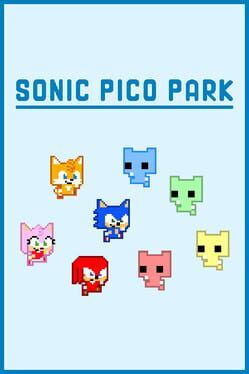

The Tecopark Sega Sonic collaboration frames Sonic PICO PARK as a smaller co-op experiment, with Sonic mechanics folded into Pico Park’s communication-first puzzle design.
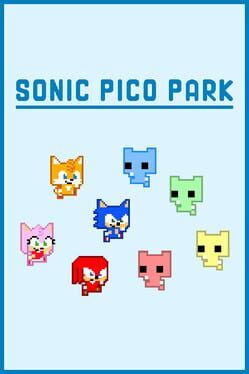
Image: IGDB
Store links: Sonic Pico Park on Steam
Sega’s smallest Sonic reveal may be its sharpest experiment
Sonic PICO PARK is currently listed by Game Informer as a 2026 PC release published by Sega and developed by Tecopark, and its Steam page is already live. That is the concrete shape of the project so far: a Sega-backed Sonic spin-off from the studio behind Pico Park, built around two-to-eight-player co-op puzzle platforming rather than the speed-first structure fans usually associate with the series.
The tension is obvious. Sega is using Sonic, one of its most recognizable mascots, in a small-scale co-op game that previewers repeatedly describe as chaotic, funny, and surprisingly demanding. It is not a new Sonic Frontiers, nor a retro throwback platformer. Polygon framed the reveal as Sega teaming with indie developer Tecopark for a spin-off of the multiplayer Pico Park series, while Game Informer noted that the announcement arrived during Sonic’s 35th anniversary year, when some fans were left wanting by the larger Summer Game Fest showcase.
The newly surfaced Sonic PICO PARK interview with game director Shimazu Shintaro adds a useful lens to that choice. The interview material states that Shimazu’s path began at Sega years before this collaboration. That detail does not turn Sonic PICO PARK into an internal Sonic Team project, and the sources provided do not establish any broader production arrangement beyond Sega as publisher and Tecopark as developer. But it does make the collaboration feel less like a random licensing novelty and more like Sega allowing a proven co-op designer to translate Sonic through a different set of rules.
The Tecopark Sega Sonic link is design-first, not cameo-first
The strongest throughline across the hands-on reports is that Sonic PICO PARK works because Tecopark appears to be treating Sonic as a mechanical language, not only a roster of familiar faces. IGN’s preview, based on eight levels played at Summer Game Fest, said the game incorporates Sonic mechanics such as spin dashes, springs, rings, and character traits into Pico Park’s puzzle structure. Polygon similarly reported that springs, rings, loop-de-loops, end-level signs, spin dashes, and Tails’ flight were folded into the levels it played.
That distinction matters for anyone who skipped Pico Park and is now trying to understand why this Sega Sonic spin-off exists. Pico Park’s baseline appeal is cooperation under pressure. Players stack, time jumps, press switches, move while tethered, and usually fail in ways that are funny because the penalty is quick and low. Sonic PICO PARK keeps that premise, according to the previews, but swaps the abstract little characters for Sonic’s cast and then asks how Sonic’s tools behave when the goal is collective problem solving.
IGN described spin dash momentum being used to move up quarter-pipes or cross ledges, springs launching players around the screen, and rings letting a player absorb a hit that would otherwise reset the group. Polygon gave a concrete example of a ring allowing one character to run into danger, press a button, and create a safer path for the rest of the team. Those are small design pivots, but they are the heart of the experiment: Sonic’s speed and resilience become shared resources, and Sonic’s slapstick physics become part of the puzzle.
For Sonic fans, the co-op shift changes the usual skill test
Traditional Sonic skill is often about flow: reading terrain at speed, preserving momentum, recovering from mistakes, and learning when to slow down. The Sonic co-op game described in the previews asks for a different kind of mastery. Kotaku wrote that even quickly understood solutions must be executed with a methodical hand, because every level is a group puzzle. Game Informer reported that its four-player session moved from straightforward platforming and puzzles into repeated failures, laughter, and occasional sabotage, with fast respawns keeping the tone loose.
That is a meaningful change in difficulty profile. The barrier is less about whether a single player can nail a jump and more about whether a group can agree on timing, order, and roles. IGN highlighted the need for communication, whether spoken in person or inferred visually through character movement and gestures. The same preview raised an open question about online play, specifically how well the experience will hold up when challenges ramp up and players may not be using microphones.
For fans who bounced off Pico Park or never touched it, this is the key practical read: Sonic PICO PARK is not being previewed as a solo Sonic platformer with optional co-op flavor. The reported player count is two to eight, and every major hands-on account frames cooperation as the central mechanic. If your favorite Sonic moments are solitary speed runs, this may feel deliberately slower. If you like the precision of puzzle platformers and the social messiness of party games, the Sonic elements may make Pico Park’s structure easier to read and more expressive.
Small scale gives Sega room to play with the brand
Polygon described Sonic PICO PARK as part of a recent trend of big characters being licensed to smaller studios with proven track records. That is an interpretation from Polygon, but it fits the confirmed arrangement available here: Sega is the publisher, Tecopark is the developer, and the game uses a known indie co-op formula rather than chasing the production scale of a mainline Sonic release.
That smaller frame lowers some expectations while raising others. No source material provided here confirms price, console platforms, cross-play, online feature details, total level count, or whether the Steam page includes a release window narrower than 2026. Game Informer lists PC and 2026, and the Steam listing confirms a store presence, but readers should treat everything beyond that as unannounced unless Sega or Tecopark says otherwise.
The upside of a contained project is focus. Pico Park’s design works because it can build entire levels around one shared verb, then watch players discover the social consequences. Sonic’s long-running toolset gives Tecopark obvious toys to stress-test: spin dash momentum, springs, rings, character mobility, collision, and the temptation to move too fast. The risk is that the joke could wear thin if later stages depend too heavily on accidental chaos, especially online. IGN’s preview was warm but curious about how communication would scale. Polygon called the demo a fun, frustrating surprise. Kotaku emphasized the friction of playing with strangers. Those are not contradictions; they outline the same fragile craft problem.
The preview consensus is warm, but the unanswered questions are real
Across IGN, Polygon, Game Informer, and Kotaku, the Summer Game Fest demos described here covered a limited slice of the game, often around eight levels or a couple handfuls of stages. That is enough to establish the concept, not enough to judge pacing, longevity, matchmaking, accessibility, or whether two-player sessions are as lively as four-player chaos.
The character ability question is especially important. IGN reported that Tails can fly and carry one teammate, but only really hover around the height where the tailspin begins. Kotaku reported distinct movement abilities such as Knuckles’ glide and Tails’ flight, while also saying most characters share tools like spin dash and standard jump. That suggests Tecopark is trying to add character identity without letting the roster explode puzzle balance, but the provided material does not confirm the full roster or how every character differs.
There is also a platform gap. Game Informer lists PC, and Steam has a Sonic PICO PARK page, but the sources here do not confirm Nintendo Switch, PlayStation, Xbox, or mobile versions. That matters because local and couch co-op games often thrive on console and handheld ecosystems. Until Sega announces additional platforms, the safe guidance is simple: treat PC as the confirmed platform from the provided reporting, wishlist the Steam page if you play there, and wait for Sega or Tecopark before assuming broader availability.
Fans who skipped Pico Park should watch the co-op details, not the logo
The Sonic PICO PARK interview gives the collaboration a stronger human hook through Shimazu Shintaro’s history with Sega, but the bigger story is in the playable reports: Sega is letting Sonic be bent around an indie co-op format where momentum is a shared hazard, rings can become puzzle tools, and springs are comedy engines as much as level furniture.
That makes Sonic PICO PARK one of Sega’s more interesting Sonic side paths in 2026 precisely because it is modest. The previews do not position it as a replacement for a mainline Sonic adventure. Game Informer’s context suggests some fans wanted larger anniversary announcements, and Polygon explicitly contrasted the project with expectations for a Sonic Frontiers sequel or another retro platformer. Sonic PICO PARK is aiming at a different night: friends in a voice call, a couch full of people, or strangers trying to agree who jumps first.
For Sonic fans who ignored Pico Park, the question should be whether you want a cooperative puzzle box wearing Sonic’s mechanics. Based on the provided previews, this is a game about talking, timing, failing quickly, laughing, and then discovering that a spin dash is much harder to control when seven other players are depending on it. That is a smart space for a Sega Sonic spin-off to explore, and it is also a space where final quality will depend on details Sega has not fully shown yet: online communication, level variety, platform support, and how much friction Tecopark can turn into fun before frustration takes over.