
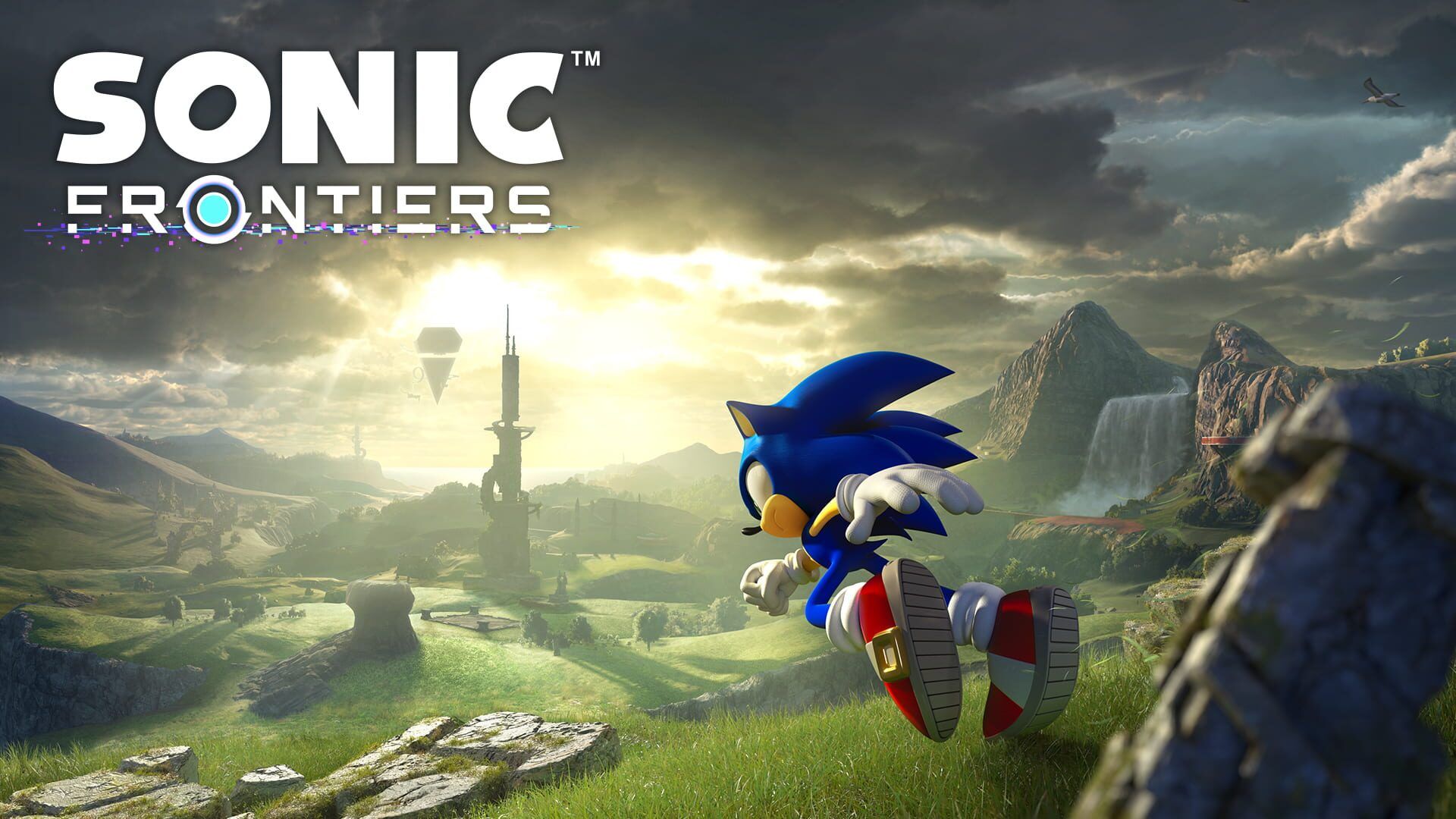

As Sonic turns 35, Sonic Frontiers stands as the series’ boldest tonal pivot in years. Anchored by Roger Craig Smith’s own doubts about the game’s voice direction, we look back at how its deeper performance, more somber writing, and anime-style sincerity reshaped fan expectations for modern Sonic.
When Sonic Frontiers launched in 2022, most of the conversation centered on the “open-zone” structure, boss spectacle, and that now-iconic first dash across Kronos Island. But as the dust settled, one of the most divisive elements was something you never see: Sonic’s voice.
The Blue Blur sounded older, calmer, almost weary. For many fans raised on the elastic snark of Sonic Colors or the sitcom cadence of Sonic Boom, the jump was jarring enough to feel like a different character. Ironically, no one understood that discomfort more than the man behind the mic.
Roger Craig Smith’s “bizarre” Sonic
In Polygon’s Sonic 35th anniversary interview, longtime English Sonic actor Roger Craig Smith admits he looked at the direction for Frontiers and thought, essentially, “This’ll be interesting.” He has even described the choice to go that low and grounded as “bizarre” compared to the looser, wisecracking Sonic he had been refining since 2010.
Smith has always treated Sonic as a character with a huge performance range. Coming from stand-up comedy, he views voice acting as an improvisational playground, something he has described as “loosey-goosey” in the booth. In earlier games, that meant punching up jokes, playing with tempo, and leaning into the meta side of Sonic’s personality. Lines like “Baldy McNosehair” in Sonic Colors, or the winking fourth-wall gags in Sonic Boom, were born from that elastic tone.
Frontiers asked for nearly the opposite. Sonic Team and voice director Jack Fletcher pushed for a more subdued, internal performance to match the island’s ruins, spectral cyberspace, and existential stakes. Smith has talked about being guided toward a lower register, tighter emotional beats, and less overt comedy. Plenty of actors get told to “play it smaller”, but here the change was dramatic enough that fans were asking if Sega had quietly recast him.
That gap between how Smith naturally hears Sonic and what Frontiers needed is the tension at the heart of the game’s legacy. Sonic sounds like he aged ten years between games, and that was by design.
Classic quips, Adventure angst, and the road to Frontiers
To understand why Frontiers sparked such fierce debate, it helps to look at the two main tonal poles of Sonic history.
The classic era defined Sonic by contrast. Against Nintendo’s bright earnestness, early ‘90s Sonic projected cool rebellion: a character who taps his foot if you idle too long and smirks as he outpaces authority. There was no voiced script yet, just animation and box art attitude, but fans essentially “heard” Sonic as a quick-talking wiseass in their heads.
The Dreamcast and early 3D years, especially Sonic Adventure and Sonic Adventure 2, brought full English voice acting and a heavy dose of anime melodrama. Sonic was still quippy, but the stories were larger, messier, more sincere. Characters shouted over guitar solos about destiny and sacrifice. That tone became its own kind of cult classic, rough edges and all.
By the 2010s, Smith’s Sonic in Colors, Generations, and Lost World tilted into breezy cartoon comedy. The dialogue became punchier and more self-aware, often poking fun at the franchise’s history. Sonic Boom carried that further, turning Sonic into something close to a CG sitcom, with Smith leaning into rhythm, sarcasm, and ad-lib energy. For a lot of younger fans, That Sonic the slightly smug but ultimately big-hearted goofball is the definitive modern voice.
Frontiers, arriving after the polarizing slapstick of Sonic Forces and years of Boom’s TV presence, suddenly asked the audience to pivot again. The writing room, now including Ian Flynn with a deep knowledge of the wider canon, pointed Sonic back toward Adventure’s earnestness while also acknowledging decades of lore. The tone was no longer “Saturday morning cartoon,” but something closer to late-night shonen anime about growth, loss, and responsibility.
Smith’s performance had to bridge all those histories, yet feel like it belonged in a new kind of Sonic game.
A Sonic who listens more than he jokes
Frontiers’ script does two key things with Sonic: it keeps his fundamental optimism, but slows him down long enough to sit with the weight of what’s happening. The islands are quiet, the camera lingers on empty playgrounds and ancient monoliths, and Sonic spends more time one-on-one with friends who are spiritually or literally fading away.
Sonic’s voice matches that somber pace. Instead of pitching jokes rapid-fire, Smith and the direction have him drive scenes with empathy. Conversations with Tails, Knuckles, and Amy are about regrets, independence, and letting each other grow. Sonic still cracks the occasional joke, but he is often the emotional anchor, the steady presence who reassures others even as his own body glitches from Cyberspace corruption.
That shift leads to small but telling choices. The classic “gotta go fast” energy becomes quiet determination. Sonic checks in with Tails rather than teasing him. He pushes Knuckles to explore beyond Angel Island instead of just clowning on his stubbornness. He treats Sage with patience and curiosity, a very different dynamic from his usual instant-rival banter.
For Smith, who has described Sonic as uniquely flexible compared to other icons that “live in a box,” Frontiers is an exploration of the most grounded edge of that flexibility. His doubts about the direction come from that same instinct. If Sonic can be anything from slapstick hero to anime lead, where is the line where he stops sounding like Sonic to the audience that grew up with him?
Fan reception: “wrong voice” or right Sonic for the game?
Reaction to Frontiers’ voice work was as split as the reviews. Core gameplay debates aside, many players came away surprised at how much they liked the story and character writing. For them, the lower, calmer Sonic fit perfectly with a narrative about confronting fear of change and the ghosts of the past. Ian Flynn’s dialogue gave Smith room to play genuine concern and quiet humor, which many fans felt the series had been missing.
Others bounced hard off the new sound. For those more attached to the Colors and Generations era, the deeper delivery felt like the wrong casting choice for the right script. Threads and videos dissected line reads, accusing Sonic Team of trying too hard to imitate shonen protagonists or “adult” Western AAA tone. Some argued Sonic could have carried the same emotional beats while still sounding more energetic and youthful.
What complicates the picture is that both sides are arguably correct. Taken on its own, Frontiers’ Sonic is coherent and emotionally readable. The performance tracks with the visuals and stakes, and for many it is the most mature he has ever felt without losing his core kindness.
Yet franchises like Sonic are not blank slates. Audiences bring decades of muscle memory about how Sonic is supposed to sound. Any major shift risks triggering a kind of cognitive dissonance, even if the work is strong on its own terms. Smith’s own public hesitance his surprise at just how far they pushed the seriousness validates that feeling. If the guy in the recording booth thinks, “This is a lot,” you can bet some fans will too.
Frontiers in the context of Sonic’s 35th year
As Sonic crosses the 35-year mark, Sega is positioning the character as both a nostalgia anchor and a platform for experimentation. Frontiers sits right at the center of that plan. Mechanically, it is a template for future “open-zone” Sonic games. Tonally, it is a stress test for how far the brand can lean into drama without losing its identity.
Smith’s performance is crucial to that experiment. He has become, by longevity alone, the de facto voice of modern Sonic. That continuity lets Sega push the character into new emotional spaces while still offering a familiar anchor. You can introduce cosmic, nearly apocalyptic stakes, but if it’s still Smith at the mic, there is a connective tissue back to colors, to Generations, even to Boom.
At the same time, his doubts highlight the real creative challenge of long-running mascots. There is a push-pull between refreshing the character for new players and preserving what older fans consider “right.” Frontiers leans toward evolution. It embraces the idea that Sonic is not just an eternally 15-year-old quip machine, but a hero who has been through some things, remembers them, and grows.
Lessons for Sonic’s future tone
Looking back, Frontiers feels less like an outlier and more like a prototype. Its reception showed Sega that there is genuine appetite for more serious Sonic stories, as long as they are balanced with warmth and some levity. It also showed, loudly, that voice direction cannot swing too far without clearly communicating the intent.
If future games split the difference, you can already imagine a “best of all worlds” Sonic. Keep the richer emotional spine of Frontiers. Bring back more of the bounciness and improv rhythm that Smith thrives on. Let Sonic be the guy who can muse about cosmic AI daughters on one island and roast Eggman’s mustache on the next, without sounding like he swallowed a different actor in between.
As long as Smith is still wrestling with these questions pushing his own interpretation while listening to fan feedback Sonic retains something vital that most 30-plus-year mascots lose: elasticity. Frontiers may not be everyone’s favorite Sonic game, but it has quietly become one of the most important. It forced Sega, the writers, and the voice talent to ask what Sonic sounds like when he grows up.
The debate over whether that voice was “too deep” or “just right” might never fully resolve. But as the series heads into its next decade, that controversy might be exactly what Sonic needed: a reason to reexamine who he is, how he talks, and why that still matters to players who have grown up right alongside him.