
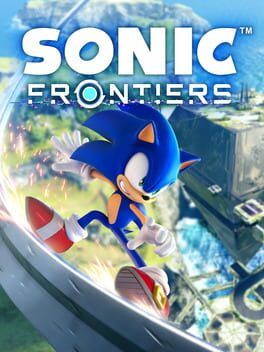

Morio Kishimoto is starting a six-part Sonic Frontiers development column and taking fan questions, setting up a rare look at how Sonic Team built its open-zone experiment.
Image: IGDB
Store links: Sonic Frontiers on Steam, Sonic Frontiers: Sonic Adventure 2 Shoes on Steam
Kishimoto is opening the Sonic Frontiers playbook, but the schedule is still unclear
Sonic Frontiers director Morio Kishimoto is launching a six-part development column about Sonic Frontiers, and the first signal is unusually direct: fans are being asked what they want him to explain. My Nintendo News reports that the column will run on the official Sonic the Hedgehog website and that the official site has opened a form for questions covering gameplay, story, graphics, and sound. The outlet also notes that it is not yet clear when the next post will go live.
That creates the useful tension here. This is confirmed as a planned six-article series, and Kishimoto has already framed it as a place for dialogue with fans, according to a translation of the Sonic Channel Development Staff Column hosted by Brownie Hideout. What is not confirmed is the full publication cadence, the exact topics of all six entries, or how candid Sega and Sonic Team will allow the series to be about decisions that divided players when Sonic Frontiers launched in 2022.
For a game built around a major structural experiment, that distinction matters. Sonic Frontiers was developed by Sonic Team and published by Sega, with Wikipedia listing its original release on November 8, 2022 for Nintendo Switch, PlayStation 4, PlayStation 5, Windows, Xbox One, and Xbox Series X/S. The game attempted to combine traditional Sonic elements with an open world structure, asking players to move through the Starfall Islands, gather Chaos Emeralds, clear challenges, solve puzzles, fight enemies, and enter Cyber Space stages. A column led by the director can do something a postmortem rarely gets to do years later: connect the public-facing shape of a game to the messy design choices behind it.
The first column frames this as fan dialogue, not a standard anniversary note
The translated Sonic Channel post introduces Kishimoto as the director of Sonic Frontiers and gives a short career sketch. In that post, Kishimoto says he started in arcade game development, worked on around 20 titles across several companies, joined Sammy, and moved to Sega’s Sonic Team after the Sega-Sammy merger. The same post lists his Sonic credits as lead planner on Sonic and the Secret Rings and Sonic and the Black Knight, and director on Sonic Frontiers, with some other title names absent from the provided translation text.
The column is being launched around a new Switch 2-related release, but the source material uses different naming. The Brownie Hideout translation refers to Sonic Frontiers: Super Deluxe as now available for Nintendo Switch 2, while Wikipedia lists a Nintendo Switch 2 port subtitled Definitive Edition released on June 23, 2026 for the franchise’s 35th anniversary. My Nintendo News does not dwell on the subtitle and simply reports the six-part column about Sonic Frontiers development. Until Sega’s own regional store pages or official English materials are aligned in the sources, the safest reading is that the column is tied to renewed attention around a Switch 2 version, while the subtitle naming varies by source.
Kishimoto’s stated intent is the more interesting part for readers. In the translated post, he says he wants to share exclusive stories, including development tales from before Sonic Frontiers was born and stories he can reveal only now. He also says he did not want the series to be one-sided and launched the section as a space for dialogue with fans. The post links to a Google submission form for questions and feedback about Sonic Frontiers: Super Deluxe and the development process. It even leaves open the possibility that the series could become something larger or extend beyond the planned six installments, depending on fan support and feedback.
The first promised topic points straight at the game’s biggest design gamble
The next installment, according to the translated Sonic Channel column, will cover the process that led to Kishimoto’s decision to create Sonic Frontiers. That is the line fans should circle, because it points directly at the birth of the game’s open-zone identity.
Sonic Frontiers is often described through its scale, but its design problem is more precise than “Sonic in an open world.” Wikipedia summarizes the gameplay as an open world structure where Sonic explores islands, collects Chaos Emeralds, and completes challenges involving platforming, puzzle solving, and combat encounters. The game also contains Cyber Space, an artificial dimension central to the story setup, after Sonic and his friends fall into a wormhole and his allies become trapped. That mixture creates a design split: broad island traversal on one side, discrete Sonic-style challenges on the other.
The column could clarify how Sonic Team saw that split internally. Did the team begin with the fantasy of free movement and then build challenge density around it? Did Cyber Space exist to preserve traditional stage-based rhythm while the islands carried the burden of exploration? How early were combat systems, puzzle gates, fishing, map-revealing activities, and boss progression locked in? Those answers would be design lessons, not trivia, because open-ended platformers live or die by cadence. A fast character needs room to breathe, but too much empty space makes speed feel ornamental. Too much friction, meanwhile, turns momentum into a stop-start checklist. Sonic Frontiers sits exactly on that fault line.
Fans should watch for answers about controls, combat, and polish
The best questions for a Sonic Frontiers director column are the ones that connect feel to structure. Wikipedia’s reception summary says critics were generally positive on Sonic Frontiers, praising visuals, story, and soundtrack, while criticizing technical issues that gave the impression of a lack of polish. It also describes reception to the controls and combat as mixed, with combat praised by some for being comprehensive and criticized by others for its feel. That makes mechanics the natural pressure point for the six-part series.
For platformer players, control is the whole handshake. Sonic has to accelerate, redirect, attack, climb, grind, launch, and recover in spaces much larger and less predictable than a corridor stage. A column that discusses only concept art or broad creative intent would be pleasant, but a column that explains tuning would be valuable. How did Sonic Team decide how sticky rails should be in open terrain? How did it balance automated routes against manual expression? What forced the team to change movement, camera behavior, or enemy patterns once the game moved from a linear template to island spaces?
The confirmed fan-question topics include gameplay, story, graphics, and sound, according to My Nintendo News. That gives players room to push for specifics. The Sonic Frontiers open zone design conversation should not stop at whether the idea “worked.” It should ask which parts were prototyped first, which were late fixes, which compromises came from shipping across older and newer hardware, and which lessons Sonic Team would carry into future Sonic game development. The sources do not say Kishimoto will answer those exact questions, but the submission form makes them fair game.
The column lands during a broader Sonic push toward experimentation
The timing also fits the franchise’s current public posture. In a July 2026 interview published by 80 Level, Sonic Team head Takashi Iizuka and PICO PARK designer Shintaro Shimazu discussed Sonic’s flexibility across genres, collaborations, remasters, racing, open-zone adventures, films, television, and indie collaborations. The article frames Sonic as a franchise that has repeatedly changed shape rather than protecting one fixed format. Shimazu, discussing the Sonic x PICO PARK collaboration, said the original idea was closer to cosmetic additions before growing into a fuller game built around Sonic entering the PICO PARK world.
That context makes Kishimoto’s column feel less like a museum plaque and more like part of an ongoing argument inside Sonic’s identity. Frontiers was Sonic Team’s most visible attempt to make a mainline 3D Sonic game absorb modern open-world expectations without losing the series’ snap. A development column can reveal whether the team now sees that experiment as a foundation, a detour, or a set of systems to refine.
There is also a business reason to talk now. With the source material pointing to a Switch 2 version under either Super Deluxe or Definitive Edition labeling, Sega has a fresh audience for Frontiers and a reason to reintroduce its design philosophy. For returning players, the column may explain choices they already wrestled with. For new Switch 2 players, it may function as a guided tour through a game that asks them to approach Sonic differently. The sources provided do not include Switch 2 performance targets, upgrade details, price, or platform comparison data, so buyers should not treat the column announcement as a technical buying guide yet.
How to follow the series without mistaking hopes for news
The confirmed action item is simple: fans who want answers should use the official question and feedback form linked from the Sonic Channel column while it is available. My Nintendo News reports that fan prompts can cover gameplay, story, graphics, and sound, and the translated column says Kishimoto plans to answer questions across the six installments with room for the project to evolve if support is strong.
Readers should also keep expectations clean. It is confirmed that Kishimoto is involved, that the plan is six articles, that the first translated post positions the series as fan-driven, and that the next entry is set to discuss the process behind the decision to create Sonic Frontiers. It is not confirmed when all posts will publish, whether every major design controversy will be addressed, or whether the column will reveal production details such as cut content, budget, engine limitations, platform-specific constraints, or future Sonic plans.
Still, this is worth watching closely. Sonic Frontiers sits at a rare intersection for platformer design: a legacy mascot, a high-speed moveset, open-ended exploration, combat, puzzles, story ambition, and technical criticism all pulling against each other. If Kishimoto gets specific, the Sonic Frontiers director column could become one of the clearest public records of how Sonic Team approached open-zone design, what it learned from the attempt, and where Sonic game development might sharpen next.