
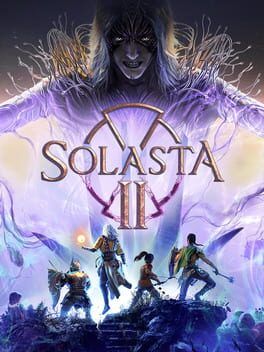
A class-by-class rundown of Solasta 2’s March early access build, how it evolves the original’s tactical D&D-style combat, and what CRPG fans should expect from the sequel’s first chapter.
Solasta 2 is sailing into Steam Early Access on March 12, bringing Tactical Adventures’ grid-based D&D tactics back with a tighter focus and a brand new slate of subclasses. If you bounced off Baldur’s Gate 3’s freeform chaos but loved its personalities, or you adored Solasta: Crown of the Magister’s crunchy rules and vertical maps, the sequel is angling to sit right between those experiences.
This time the studio is aligning with the 2024 D&D rules update instead of the older 5E baseline, then bending those rules just enough to make a videogame. The early access build locks in six core classes and thirteen subclasses, a party of four custom-created adventurers, and a level cap the devs expect to raise as development goes on.
Below is a breakdown of every class confirmed for early access, how their subclasses twist classic tabletop archetypes, and what it all means for your first party on Neokos.
How Solasta 2 Builds On The First Game
If you played Crown of the Magister, the fundamentals will feel familiar. Combat is still turn-based on a square grid with strong use of elevation, half-cover and verticality. Light and darkness still matter, flanking and positioning still decide fights, and the camera still snaps between party members and enemies as the turn order advances.
Under the hood, though, Solasta 2 quietly modernizes its rules. It folds in elements from the 2024 D&D revision such as weapon identity and more bespoke class features, then layers its own homebrew on top. Several classes get half-caster style progressions or videogame-only perks, and multiclassing is fully supported from day one instead of patched in later.
The other big shift is scope. The sequel’s campaign takes place on the island of Neokos, with a heavier emphasis on roaming exploration rather than a chain of handcrafted dungeons. Encounters are still tactical set pieces, but now they are embedded in a broader open structure where travel, ambushes and side objectives matter.
With that framing in mind, here is how each class fits into the early access meta.
Fighter: From Brick Wall To Battlefield Conductor
Solasta 1’s Fighter was a reliable but fairly straightforward frontliner. In Solasta 2, Tactical Adventures leans into two different fantasies: magical knight and tactical commander.
Aether Warden is the headliner. It turns the Fighter into a half-caster, mixing martial attacks with a curated spell list. In the Polygon and dev breakdowns, that list includes elemental and force-flavored options that let you control space or tack extra damage onto weapon swings. The tradeoff is a nerf to the classic Fighter nova. You can still Action Surge, but you are juggling spell slots and cooldowns instead of spamming raw attacks every round. For players who loved Eldritch Knights in tabletop but wanted a bit more structure, Aether Warden scratches that itch.
Commander pushes the class in the opposite direction. Instead of casting, it focuses on issuing orders, granting allies bonus movement, attacks or defensive buffs. The sequel’s tighter encounter design, with chokepoints and vertical staging, makes this kind of support much more valuable. A Commander at the front can reposition allies out of danger or create opening bursts where your Rogue and Sorcerer dogpile a priority target.
Fighters also benefit from new weapon-centric features that echo D&D’s 2024 weapon masteries. Rather than every longsword feeling identical, certain weapons confer push, slow or extra control, and Fighters are the class best equipped to exploit that variety.
Wizard: Glass Cannon Or Royal Guardian
Solasta 2’s Wizards again sit at the top of raw spell versatility, but their subclasses create more sharply defined roles than in the first game.
School of Ruin is the pure damage option. It tilts your spellbook toward destruction, layering extra damage dice or secondary effects onto the classic fire and force staples. Combined with the game’s fondness for vertical arenas, that makes Ruin Wizards terrifying artillery pieces. Drop enemies off ledges with force effects, then finish survivors with wide-area blasts.
Court Mage is a more defensive, political spin on the archetype, framed as a wizard raised in palace intrigue. In practice it mixes strong protection magic with enough offense to remain relevant. Expect extra tools for countering enemy casters, reinforcing allies and shaping the flow of a fight with control spells instead of just deleting hit point bars.
In both cases, Solasta’s adherence to line of sight, cover and lighting means playing a Wizard is less about memorizing spell lists and more about reading the map. Solasta 2 doubles down on this, rewarding those who use height, choke points and darkness to amplify the class’s strengths.
Rogue: Skill Monkey With Spell Tricks
Rogues were already standout performers in Crown of the Magister thanks to their mobility and the engine’s precise handling of advantage. In the sequel, they gain a fascinating magical twist.
Shadowcaster is the marquee subclass here. It allows you to apply Sneak Attack to certain spells in addition to weapon attacks, essentially turning you into a hybrid gish that specializes in precision spell damage. Instead of just backstabbing with a rapier, you might follow a Paladin’s restraining smite with a spell that qualifies for Sneak Attack and explodes a vulnerable target. It rewards careful initiative planning and plays beautifully with classes that can impose conditions.
Scavenger, by contrast, sits closer to the original game’s thematic roots. Scavenger Rogues are better at squeezing value out of loot and negotiation, and in combat they add once-per-turn bonus slashing damage on hits. They are the practical adventuring specialists of Neokos, perfectly suited for parties that expect to wander ruins, haggle with dubious merchants and survive on whatever they can pry out of old chests.
Because Solasta’s stealth and lighting systems still matter, Rogues continue to be the class most sensitive to your approach. Shadowcasters want darkness and high ground to line up spell Sneak Attacks, while Scavengers lean into opportunistic positioning and hit-and-run tactics.
Paladin: Oaths As Playstyles, Not Just Flavor
The sequel’s Paladins encapsulate Tactical Adventures’ broader design philosophy. Instead of simply giving you different damage flavors, each oath expresses a distinct battlefield role.
Oath of Liberation is the support and control package. These Paladins get tools to blind at range, hamper enemies and slip friends out of danger. Polygon highlights spells like Blur and Slip Away, which can be applied to allies to help them escape focus fire or disengage for a better position. In a game that loves ambushes and cramped corridors, a Liberation Paladin feels like a mobile anchor, shielding squishier allies while setting up the Rogue or Sorcerer’s big turns.
Oath of Judgment is the avenging counterpart. This oath leans into heavy single-target damage and crowd control, letting you restrain enemies and pile extra force damage onto your smites. Where a Liberation Paladin might peel a monster off the Wizard, a Judgment Paladin simply nails the creature in place and dares it to survive the next round.
Paladins benefit a lot from Solasta’s verticality. Locking an enemy down on a staircase or narrow bridge is more impactful here than in many CRPGs, and a Paladin who can create or exploit that situation turns small maps into deadly puzzles.
Sorcerer: Metamagic As A Real Build Hook
Solasta 1’s Sorcerers already had a strong identity, particularly the Mana Painter, which could leech magic from enemies to fuel more casting. In Solasta 2 the class gets refined for the new multiclass system, and its subclasses are more explicit about how they want you to play.
Star Child is the flashy new option. It adds extra force damage to spells when you use Metamagic, essentially paying you for playing like a Sorcerer instead of a slightly worse Wizard. In practice that means chaining Twinned, Quickened or Empowered spells into short, brutal sequences. In a game where the action economy is strict, Star Child gives you small, repeatable bumps every time you bend the rules of casting.
Mana Painter returns in a tweaked form to better coexist with official multiclassing. The idea is the same: you are a battery that recycles magic, balancing raw damage with buffs and more efficient Sorcery Point recovery. For players who like long adventuring days and complex resource routing, Mana Painter is still the thinking person’s blaster.
Because Solasta 2 is happy to throw multi-wave encounters, concentration checks and line-of-sight puzzles at you, Sorcerers reward not just good spell selection but tempo control. You want to choose when to burn your most explosive Metamagic turns and when to play conservatively around cover and saving throws.
Cleric: Three Flavors Of Divine Utility
Clerics might be the biggest overall winners of the early access lineup. All three confirmed domains are strong and map cleanly to different party needs.
Life Domain is the expected backbone healer, but the sequel leans into the fantasy of a divine medic who refuses to let the party fall. Life Clerics maximize healing and get better at bringing allies back into the fight, which is particularly valuable in Solasta where even a single downed character can spiral into a wipe due to positioning losses.
Oblivion Domain is more offbeat. It enhances survivability when characters are on the brink of death, granting allies unconscious on the ground advantage on death saves and other last-chance tricks. In a campaign that seems eager to push you into grinding, attritional journeys across Neokos, an Oblivion Cleric turns near-wipes into heroic comebacks.
Battle Domain leans into martial prowess. It bumps up the Cleric’s personal damage while adding bonus force damage for allies, making them a frontline bruiser and support rolled into one. Paired with a Commander Fighter or Liberation Paladin, a Battle Cleric can turn a tight corridor into a holy meat grinder where even your support characters hit like trucks.
Taken together, these domains underline a key aspect of Solasta 2 design. Healing and damage are intertwined with positioning and tempo rather than being siloed into separate roles. Your Cleric is not just a hit point dispenser but a central piece in how you choose to win fights.
Early Access Scope: What CRPG Fans Should Expect
Solasta 2’s early access launch is not the full campaign. Tactical Adventures is candid about using the March build as a foundation they will layer content onto. Here is what to expect based on the dev blogs and public statements so far.
The starting roster consists of six classes and thirteen subclasses. There is no Druid, Ranger, Bard or Warlock at launch, though the team has floated plans for more classes and ancestries over time, including fan-favorites like tieflings and dragonborn. Races in early access stick close to the classic fantasy lineup, and multiclassing is available from the start for players who want to experiment.
The level cap will be limited, with the studio hinting at a mid-tier progression that showcases each subclass’s core tricks without immediately handing you their ultimate tools. Expect your early access party to feel powerful and distinct by the end of the available content, but not yet at late-game spell levels.
On the narrative side, the campaign centers on the island of Neokos and the slow encroachment of the Shadwyn, a mysterious entity that is corrupting the land. Early access covers the opening arc of that story, introducing your party’s family ties to the island and setting up the central mystery rather than resolving it. It is more “first book in a trilogy” than standalone campaign.
Technically, players can expect a continuation of what made Crown of the Magister popular among tactics fans. Encounters are handcrafted, with strong emphasis on verticality, cover and environmental hazards. The engine still exposes combat math clearly, with visible dice rolls and transparent advantage or disadvantage. Light sources, stealth and perception checks remain integral parts of dungeon crawling.
One key evolution is exploration. Instead of funneling you directly from mission to mission, Solasta 2 introduces a more freeform overland structure for Neokos. You will be choosing routes, taking on side contracts and risking random encounters on the way to your next story beat. That aligns the game more closely with classic CRPGs without losing the tight, XCOM-like density of its fights.
Who Solasta 2 Early Access Is For
If you loved Baldur’s Gate 3’s party banter but missed the rigidity of tabletop tactics, Solasta 2 looks like a compelling middle ground. The sequel courts narrative fans with fully voiced companions, including familiar talent from BG3 such as Amelia Tyler and Devora Wilde, while keeping the grid-based combat and transparent rules that made Crown of the Magister a cult favorite.
For early access players specifically, the big draw is buildcraft. Six full classes, thirteen subclasses and day-one multiclassing give you ample room to theorycraft parties even within the initial level cap. Shadowcaster Rogues pairing with Judgment Paladins, Commander Fighters enabling Battle Clerics, Star Child Sorcerers amplifying a Ruin Wizard’s devastation there are already plenty of synergies to chase before any post-launch classes arrive.
The flip side is that you are signing up for an unfinished campaign. Some ancestries and classes are absent, balance is likely to shift as Tactical Adventures digests feedback, and the story will end on a clear “to be continued” beat. If you enjoyed watching Solasta 1 grow patch by patch, or you like iterating on builds as systems evolve, that is a feature rather than a bug.
If you would rather consume the whole adventure in one go, consider the March build a generous demo of Solasta 2’s new tactical toolkit and keep an eye on how the roster expands over the rest of early access.
Whatever route you take, the message from Tactical Adventures is clear. Solasta 2 is not trying to out-spectacle Baldur’s Gate 3. It is trying to be the most faithful, readable and expressive grid-based D&D experience on PC, and its early access class lineup is a confident first step in that direction.