
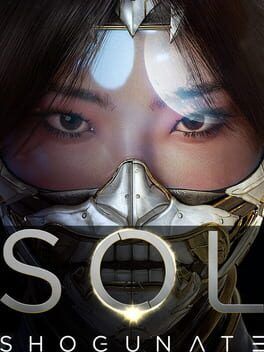
Chaos Manufacturing’s debut action RPG blends feudal Japan, neon sci‑fi, and music‑driven swordplay. Here’s how Sol Shogunate is positioning itself among Xbox’s stylized sci‑fi action lineup for 2026.
Sol Shogunate is not content to be just another stylish action RPG. In Xbox’s recent sneak peek, Chaos Manufacturing pitched its debut as a full-blown “samurai space opera,” a revenge tale that plays out across an alternate-future solar system ruled by a brutal shogunate.
Based on the Xbox Wire breakdown, this is one of the clearest attempts yet from Xbox to court fans of character‑driven, high‑style action that has typically lived on other platforms. If it lands, Sol Shogunate could be a key pillar in the 2026 first‑party lineup.
A Solar System Ruled By The Sword
Sol Shogunate’s premise centers on Yuzuki, the “Shattered Heir,” last surviving scion of a massacred samurai clan. What begins as a focused revenge quest against the regime that wiped out her family quickly escalates into something larger, as she uncovers buried histories and lies at the heart of the Sol Shogunate that governs humanity’s scattered settlements.
The setting is an alt-future solar system filtered through feudal Japan. Instead of a standard cyberpunk city, the journey begins on the Moon, where megacities fill vast impact craters. Artificial gravity stabilizes Earth‑like districts while space elevators punch through the atmosphere to orbiting hubs. High‑speed rail cuts through neon‑drenched entertainment quarters, all framed by architecture that nods to classical Japanese castles and districts.
Each major metropolis acts as both a biome and a historical reference point. Regions echo different eras of Japanese history, with skyline silhouettes, social hierarchies, and military presence evoking the period they draw from. Hidden beneath that aesthetic are clues to a forgotten war and the true origins of the Shogunate’s power, suggesting that exploration will double as archaeology of a distorted past.
The pitch paints a world that fuses the clarity of a feudal power fantasy with the sprawl of space opera. This is not just “samurai but in space” so much as a solar system that has rebuilt itself around swords, honor codes, and clan politics.
Music‑Driven Swordplay As The Core Focus
Yuzuki is more than just a skilled fighter. She is introduced as a genetically engineered “ultimate samurai,” a living weapon created through advanced bio‑tech. That premise anchors the action systems Xbox is emphasizing.
Combat is framed as grounded, traditional swordplay first, then augmented by science‑fiction layers. Yuzuki’s katana techniques keep the deliberate timing and positional play of samurai duels, but she can infuse strikes with distinct energy types to crack shields, stagger heavy targets, and exploit enemy weaknesses. The result described is closer to a methodical action RPG than pure character‑action chaos, but with room to escalate into spectacular finishers.
Progression hinges on “gene splice” upgrades that reshape Yuzuki’s body and senses. Enhancements like heightened perception or reinforced, bio‑ceramic armor alter both her silhouette and her options in battle. The visual hook of kintsugi‑style gold lacquer running through armor plates frames damage and growth as something literally stitched together, tying into the Shattered Heir theme.
The standout hook, though, is the music‑driven structure of major encounters. Chaos Manufacturing wants key fights to feel like interactive music videos. Attacks, dodges, and boss patterns sync against high‑energy Japanese rock, with bands like AliA already name‑checked. The goal is to give big battles a sense of choreographed spectacle, where each clash flows with the tempo of the soundtrack.
It is an approach that recalls how Hi‑Fi Rush made rhythm the spine of its combat. Sol Shogunate seems less about on‑beat inputs and more about mood and synchronization, letting the music swell as players push through enemy waves, parries, and phase transitions.
Vertical Cities And Layered Storytelling
Outside of combat, exploration is anchored in height and hidden history. Xbox’s preview calls out gravity‑assist traversal tools that let Yuzuki scale tower clusters, orbit‑bound structures, and the edges of those crater cities. Rather than a flat, open world, Sol Shogunate is pitched as a series of vertically stacked districts where getting above the streets reveals new paths and secrets.
Each city hides multiple layers of infrastructure, from polished commercial zones to sealed‑off industrial ruins packed with lore. Collectibles and side objectives are described less as simple checklists and more as threads that unravel the true narrative of the Shogunate and the war it is trying to bury. Expect databanks, murals, and hidden shrines that connect the feudal aesthetic to specific political and military choices.
That layered worldbuilding fits the tone of a space opera centered on family legacy and systemic oppression. Yuzuki’s revenge arc seems likely to serve as an entry point into a wider story about engineered soldiers, state propaganda, and the cost of a regime that literally rewrites bodies and history to maintain control.
How Sol Shogunate Compares To Other Stylized Sci‑Fi Action Games
The pitch for Sol Shogunate puts it in a conversation with several modern action standouts, while still carving out its own tonal lane.
There is clear overlap with NieR: Automata and other Platinum‑adjacent titles in its focus on stylish swords, android‑like protagonists, and existential conspiracies. Yet unlike NieR’s melancholic, post‑apocalyptic wastelands, Sol Shogunate is trading in dense, living cities that lean into the color and spectacle of sci‑fi feudalism.
Its combat structure, with a deliberate weapon focus and layered stance‑like energy infusions, nudges it closer to a character‑driven action RPG than a pure combo chaser like Devil May Cry 5. If Chaos Manufacturing emphasizes readable enemy patterns and timing over input complexity, it could land somewhere in the middle ground between Souls‑influenced precision and flashy spectacle.
Tonally, the samurai lineage invites comparison to Ghost of Tsushima, but Sol Shogunate’s alt‑future spin gives it a very different identity. Where Tsushima rooted itself in natural landscapes and historical drama, this is closer to an anime‑inflected space epic, the kind of universe you would expect from a fusion of classic jidaigeki cinema and late‑night sci‑fi series.
On the Xbox side, it naturally invites comparison to Hi‑Fi Rush, not because of art style but because both are committed to music as a structural pillar. If Hi‑Fi Rush was a Saturday morning cartoon that happened to be a rhythm brawler, Sol Shogunate looks like a late‑night rock opera where the soundtrack builds the emotional spine of fights.
You can also draw a line to titles like Stellar Blade in the way it foregrounds a single heroine’s body augmentation and personal stake in a broader conflict. Where Stellar Blade leaned into sleek, near‑future earthbound sci‑fi, Sol Shogunate is spreading that concept across the entire solar system with more explicit cultural theming.
If Chaos Manufacturing can back up its aesthetic with tight combat feel and smart encounter design, Sol Shogunate has a real shot at being the “stylish action” flagship that Xbox has often lacked compared to some competitors.
Where It Might Fit In Xbox’s 2026 First‑Party Lineup
Xbox is positioning Sol Shogunate as part of a broader push to diversify its first‑party slate, particularly with more Japanese‑developed and Japanese‑inspired projects. The Xbox Wire feature is arriving early in development, with no release window, but the tone and detail suggest this is one the platform wants on players’ radar well ahead of launch.
Given that the team stresses a “when it is ready” release philosophy, 2026 feels like a plausible, but not guaranteed, target. If that happens, Sol Shogunate could occupy a valuable niche in the lineup.
As the big, systemic RPGs and service titles continue to dominate the platform, there is room for a focused, single‑player action RPG with a strong auteur tone. Sol Shogunate could sit alongside games like Fable and whatever the next wave of Game Pass tentpoles ends up being, acting as a mid‑to‑upper budget showpiece with clear identity rather than a sprawling 100‑hour epic.
If Hi‑Fi Rush and Pentiment represented the first wave of “distinct flavor” Xbox projects, Sol Shogunate looks like a more muscular second wave, one that still takes risks but does so with a sharper action focus and stronger cinematic hooks. A 2026 launch window would let it ride a potential post‑Elder Scrolls or post‑Gears resurgence, giving Xbox something in the “stylish, story‑driven action” slot for that year.
In the best‑case scenario, Sol Shogunate becomes for Xbox what NieR: Automata became for Square Enix and Platinum: a cult‑favorite that punches above its weight, defines a studio, and broadens the perception of what kind of games live in the platform’s first‑party ecosystem.
For now, the Xbox Wire preview makes one thing clear. If you have been waiting for a samurai space opera that fuses neon cities, feudal intrigue, and rock‑driven swordfights, Sol Shogunate is a name worth remembering as the next era of the Xbox lineup comes into view.