
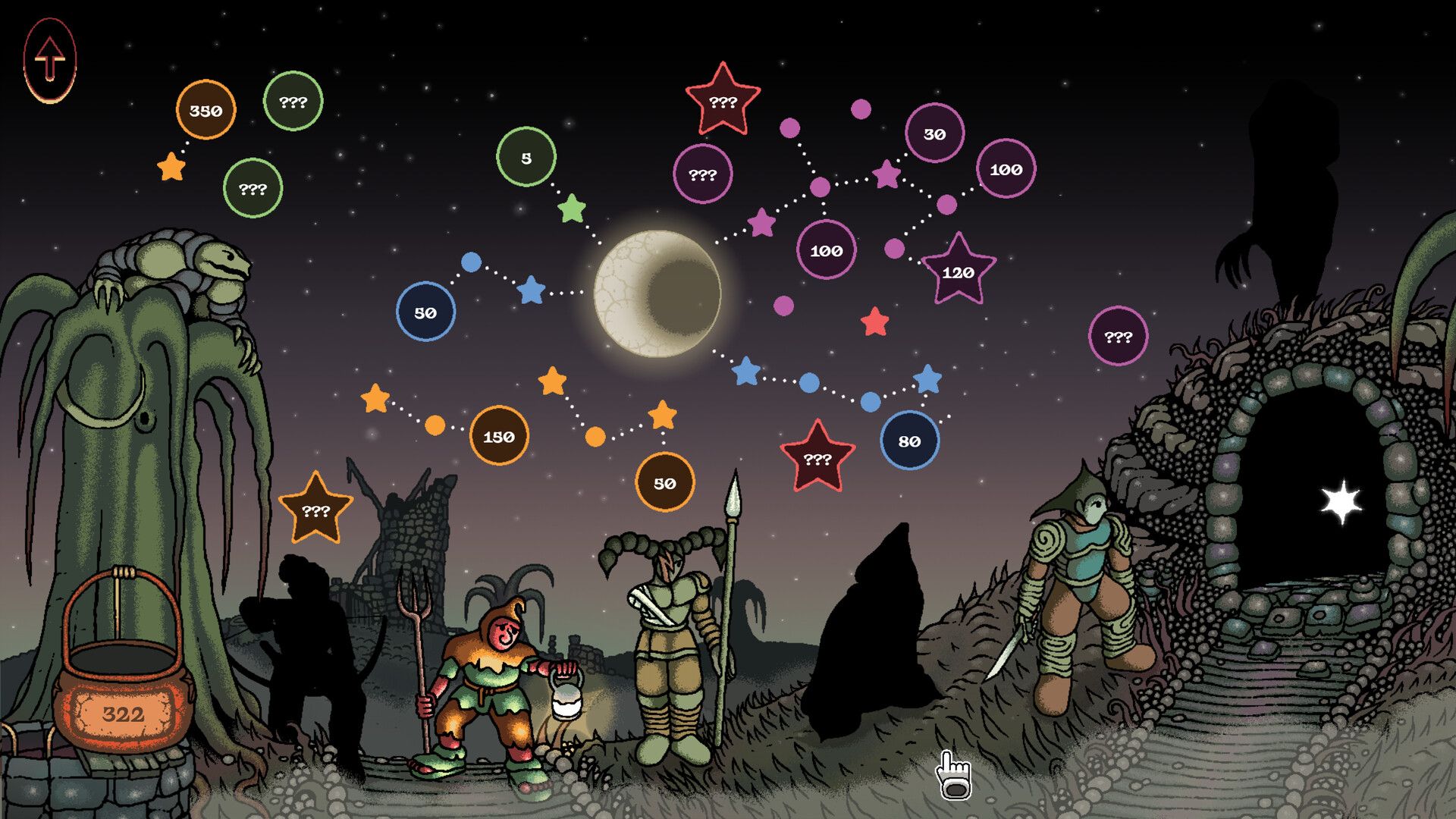

Sol Cesto has reached mobile through Android early access and iOS pre-order, with Snapbreak planning a Q1 2027 launch for the luck-driven indie puzzle roguelite.
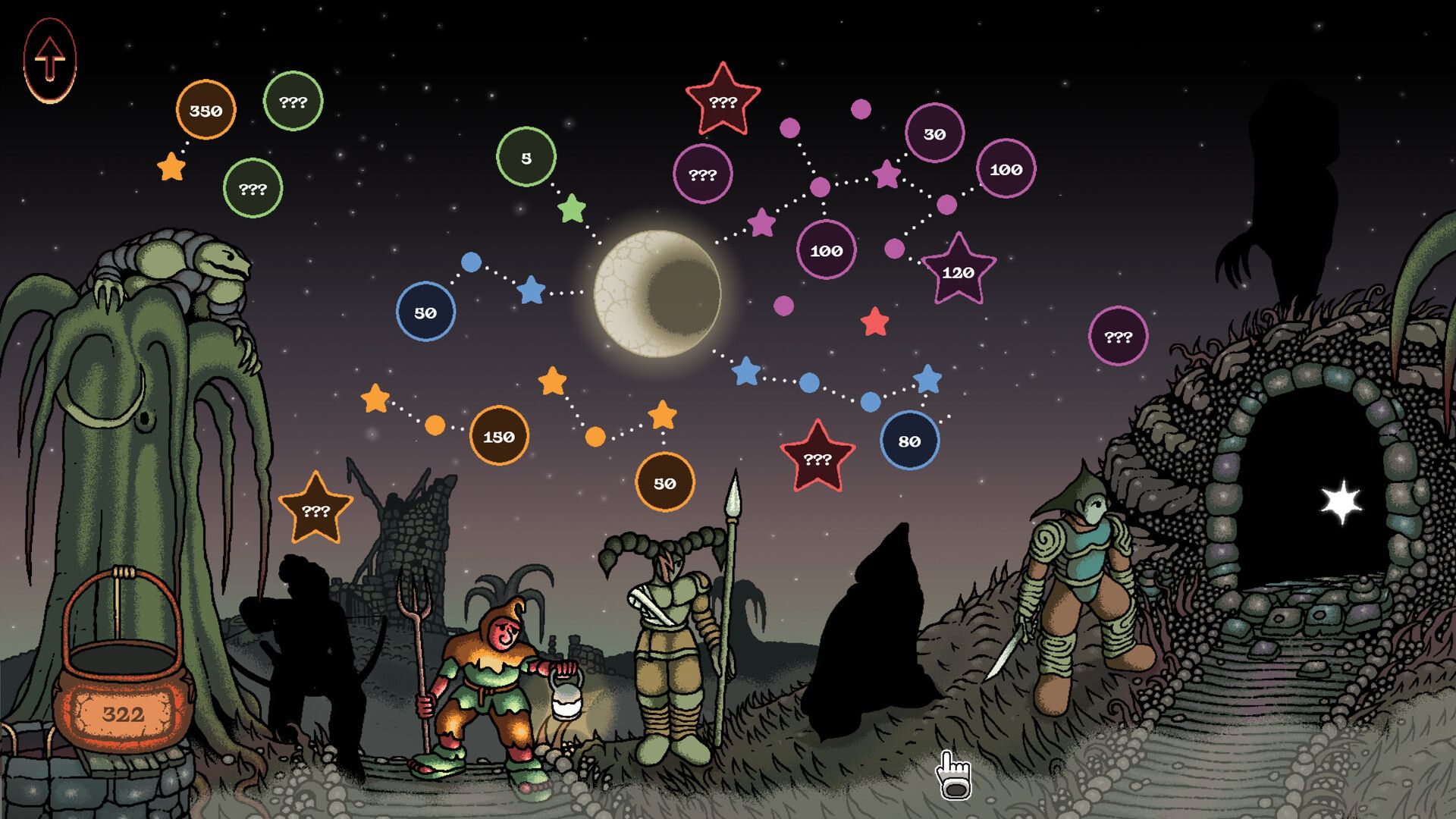
Image: pixelsinorbit.com
Sol Cesto’s mobile rollout starts with Android access and an iOS pre-order wrinkle
Sol Cesto is now available in early access on Android, while iOS players can pre-order the mobile version ahead of a planned Q1 2027 launch, according to the November 26 press release distributed through Games Press by developers Géraud Zucchini and Chariospirale, PC publisher Goblinz Publishing, and mobile publisher Snapbreak Games. That is the cleanest confirmed shape of the launch plan from the provided source material: Android gets early access now, iOS gets pre-order now, and the full mobile release is planned for Q1 2027.
There is a small but important listing-language tension around the news. Pocket Gamer and Droid Gamers also describe Sol Cesto as available in early access on Android, with iOS pre-registration or pre-order available. Pixels in Orbit and GamingonPhone, meanwhile, frame pre-registration as open on both App Store and Google Play, while noting that Apple’s listing currently points to a February 24, 2027 release date. The publisher announcement does not use that exact February date, instead giving the broader Q1 2027 window.
For mobile players, the practical read is this: Sol Cesto Android is the version you can investigate immediately through Google Play early access, while iPhone and iPad players should expect a pre-order or pre-registration step rather than a playable iOS early access build based on the supplied material. If you are searching for “Sol Cesto iOS early access,” the sourced information here points to iOS pre-order, not iOS early access.
A roguelite built around choosing the row, then living with the roll
Sol Cesto’s pitch is unusually compact for a mobile roguelike: you descend into a randomly generated underground world to search for the sun, which has been lost for countless years. The game’s entire risk structure turns on a four-row combat grid. As described in the Games Press announcement and echoed by Droid Gamers, you choose one of four rows, but the specific tile you land on within that row is selected randomly.
That single rule gives the indie puzzle game its teeth. A row might contain a monster, a chest full of gold, a poison trap, or another hazard or boon. You can read the board, decide which row offers the best odds, then accept that the game may still drop you into trouble. It is tactical, but not deterministic. It asks whether you can make a strong probabilistic choice, not whether you can execute a perfect move.
That distinction matters on mobile. Many roguelites shrink nicely onto phones because runs are repeatable and progress is modular, but Sol Cesto’s row-selection structure looks especially touch-friendly on paper. The sources do not provide performance details, device requirements, controller support, or save behavior, so those remain open questions. Mechanically, though, the format sounds built for short decisions with sharp consequences rather than long menus or precision input.
The luck can be bent, but not erased
The strongest design hook in Sol Cesto is that randomness is part of the puzzle rather than background noise. The publisher’s feature list says players can collect magical items, powers, and curses to survive dangerous situations. It also highlights two kinds of teeth that alter a run in different ways: stone teeth can change rules and probabilities in your favor, while metal teeth can trigger curses and combos.
That gives the mobile roguelike a useful tension. At the start of a run, choosing a row may feel like gambling against the board. As items and modifiers accumulate, the decision becomes more crafted. You are trying to load the dungeon’s dice before you commit. Droid Gamers describes stone teeth as tools for changing rules and probabilities, and metal teeth as a way to set off harsher curses and combos, which suggests a push-pull between safety and volatility.
Players who want pure chessboard control may find that frustrating. Players who enjoy risk management, deckbuilder-style mitigation, and roguelite runs that swing from disaster to miracle should keep an eye on it. The best version of this structure will live or die on how clearly the game communicates odds, how fair its punishment feels, and whether a failed tile drop creates a story instead of a shrug. The supplied sources do not go deep enough to judge that balance in the mobile build, but the PC-to-mobile premise is clear.
Five biomes, seven characters, and a strange hand-drawn identity
Snapbreak’s announcement says the mobile version includes five biomes, each with monsters and traps that behave differently, along with seven playable characters with distinct powers, stats, and abilities. That is a meaningful amount of run variety for a game whose basic move is intentionally simple. If the row-picking mechanic is the verb, the biomes and characters are what need to keep that verb from flattening out across repeated sessions.
The art direction is also doing heavy lifting. Games Press calls out Sol Cesto’s charming art style, while Droid Gamers describes it as surreal and entirely hand-drawn, created by artist Chariospirale, with grotesque but charming characters and visible inspiration from ancient Meso-American and Aztec art. Pocket Gamer’s Iwan Morris also singled out the animation, comparing its feel to work by Felix Colgrave, the creator of Double King.
That matters because small roguelites often need an immediate visual signature to survive the mobile storefront scroll. Sol Cesto’s screenshots and sourced descriptions point toward a dungeon crawler that looks handmade, odd, and slightly hostile in a good way. The danger for mobile is readability: hand-drawn grotesquerie has to remain legible on a phone screen when tiles, traps, enemies, and probability-shifting effects all compete for attention. The sources confirm the style and core systems, but not how the interface has been adapted.
Pricing is free to try, with a one-time unlock planned
The mobile version of Sol Cesto will be free to download, with players able to try the game before unlocking the full adventure through a one-time purchase, according to the Games Press announcement. Droid Gamers reports the same free-download model, and Pixels in Orbit also describes a free trial with a one-time unlock.
That is useful news in a mobile market where “free” can hide very different economies. Based on the provided source material, Sol Cesto is being positioned as a try-before-you-buy release rather than a gacha or ad-driven game. The exact price of the full unlock is not included in the supplied sources, and neither are details such as regional pricing, family sharing, offline play, or whether progress from Android early access will carry into the full launch.
For anyone curious but cautious, Android early access is the lowest-risk path if it is available in your region through Google Play. iOS players can pre-order or pre-register, but should wait for the App Store listing and publisher messaging to clarify launch timing, price, and whether the February 24, 2027 date reported by Pixels in Orbit and GamingonPhone remains accurate.
How the PC release frames expectations for mobile
The mobile announcement is not introducing Sol Cesto from scratch. Droid Gamers says the original game was developed by Tambouille and had its full release on PC in April 2026, while the Games Press announcement names Géraud Zucchini and Chariospirale as developers and Goblinz Publishing as the PC publisher. Pixels in Orbit specifies that the PC version left Early Access on Steam on April 10, 2026. GamingonPhone describes the Steam release as having overwhelmingly positive reviews, but the supplied material does not include the Steam page text or review count, so that reception claim should be treated as reported by that outlet rather than independently verified here.
The PC history still changes how to read the mobile news. This is not a mobile-first concept being tested in public from zero. Snapbreak is bringing an already released indie roguelite to phones, and the announced feature list suggests the mobile version is aiming to preserve the game’s main structure: five biomes, seven characters, probability-altering teeth, items, curses, and strange underground inhabitants.
The unanswered question is adaptation. A smart PC roguelite does not automatically become a comfortable mobile roguelite. Players should watch for interface clarity, session length, battery impact, text size, and how the game handles interruptions. None of those points are answered in the supplied sources, so early Android players will likely be the first useful signal.
Should mobile players track Sol Cesto?
If you like mobile roguelike games because they create compact stories out of bad odds, Sol Cesto is worth tracking. Its row-based grid gives every move a clean decision point, its teeth system appears designed to let players manipulate probability rather than surrender to it, and its hand-drawn dungeon art gives the game a personality that stands apart from cleaner fantasy roguelites.
If you dislike randomness deciding outcomes after you have made the best available choice, wait for impressions from the Android early access period. Sol Cesto’s design depends on enjoying controlled uncertainty. The moment-to-moment question is not “can I guarantee safety?” It is “can I make this row safe enough?” That will be delightful for some players and maddening for others.
The current practical guidance is simple. Android players can look for Sol Cesto on Google Play now through early access or pre-registration language depending on region and listing state. iOS players have a pre-order or pre-registration path, with Q1 2027 confirmed by the publisher announcement and February 24, 2027 reported from the App Store listing by Pixels in Orbit and GamingonPhone. The download will be free to start, with a one-time purchase planned to unlock the full adventure. Until Snapbreak gives final launch and pricing details, treat Sol Cesto as one of the more mechanically interesting indie puzzle game prospects on the mobile calendar rather than a guaranteed day-one buy.