
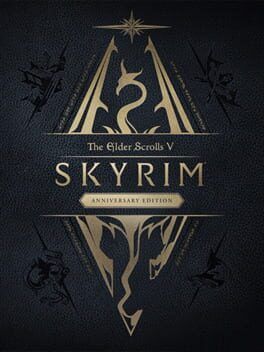
A platform-focused breakdown of The Elder Scrolls V: Skyrim Anniversary Edition’s shadow-dropped Switch 2 version, covering resolution, frame rate, loading times, Anniversary content, and what this quiet port signals for future RPGs on Nintendo’s new hardware.
The Elder Scrolls V: Skyrim just found yet another platform to conquer, with the Anniversary Edition shadow-dropping on Nintendo Switch 2. On paper this looks like a perfect match: a 2011 RPG meeting a far more capable hybrid handheld, complete with “enhanced resolution, improved load times, and optimised performance.” In practice, the Switch 2 port is a noticeable step up from the original Switch version, but it also exposes where Bethesda is willing to stop when it comes to legacy support.
What exactly is the Switch 2 version?
The Switch 2 release is Skyrim Anniversary Edition in full. You get the base game, Dawnguard, Dragonborn and Hearthfire, plus the substantial Creation Club bundle of quests, gear, spells and survival-flavoured extras. All of the Nintendo-specific bits are here as well, including motion controls, amiibo support and the Breath of the Wild cosmetic items.
If you already owned Skyrim Anniversary Edition on the original Switch, the Switch 2 version is a free upgrade. Existing owners of the base game can still buy the Anniversary upgrade, which in turn unlocks the Switch 2 build. Functionally, it is the same content set as on PS5 and Xbox Series X, just targeted at Nintendo’s new hardware.
Resolution: clearly sharper, but not transformative
Compared to the original Switch version, the most immediate upgrade on Switch 2 is image clarity. Docked, Skyrim now runs at a higher native resolution with cleaner edges and sharper textures, reducing the blur and shimmering that were common on the older hardware. Handheld mode also benefits from a resolution bump that makes UI elements and distant scenery easier to parse on the higher density display.
Side by side captures against the original Switch build show more detail in foliage, stonework and character models, along with improved depth of field and post-processing. It is still recognisably the same Special/Anniversary Edition renderer, not a top-to-bottom revamp, but Switch 2 owners get something closer to the PS4 and Xbox One image rather than the softer look of the first Switch port.
What you do not get is a visual feature parity with PS5 and Xbox Series X. Those machines can push higher resolutions and more aggressive effects while also uncapping frame rates. Switch 2 aims instead for a cleaner 30fps presentation. If you expected 4K assets or a full next-gen feature set, this port does not go that far.
Frame rate: locked at 30fps, for better and worse
Despite the faster GPU and CPU in Switch 2, Skyrim Anniversary Edition targets 30 frames per second rather than 60. In terms of consistency this is at least handled properly. Reports from technical breakdowns indicate that the game generally hits its 30fps cap with even frame pacing in both docked and handheld modes. Outdoors traversal, big city hubs and combat sequences largely hold steady, and there is no performance/quality toggle hiding a 60fps option.
That target puts the Switch 2 version in an odd spot. It is much smoother than the early days of Skyrim on original Switch, but the cap means Nintendo’s new hardware is not being stretched in the same way as contemporary consoles. PS5 and Xbox Series X offer 60fps modes, and even Steam Deck can get close to that with the right tweaks.
Initially the bigger talking point was not the frame rate itself but input latency. At launch, the Switch 2 build added a large chunk of extra latency over the original Switch version, resulting in sluggish camera movement and delayed attacks that made the 30fps cap feel worse than it should. Bethesda quickly acknowledged the issue, and a subsequent patch targeted the input delay and smoothed out responsiveness.
Post-patch, Skyrim on Switch 2 still runs at 30fps, but controls feel more in line with other console versions. You are not getting high-refresh performance here, but at least the fundamentals of aiming and parrying now match expectations for a modern port.
Loading times: the biggest real-world upgrade
If frame rate is conservative, loading is where Switch 2 actually flexes. Moving from the original Switch’s slower storage and weaker CPU to Switch 2’s more capable hardware delivers a clear reduction in wait times across the board.
Booting to the title screen, loading a big save in the overworld, entering cities or diving into dungeons all benefit from the jump. Comparative testing shows Switch 2 cutting many loads roughly in half compared to the first Switch release, and fast travel chains that used to involve staring at a spinning model for long stretches are now significantly snappier.
This lines up with how other backward compatible and native titles behave on the new system: the combination of stronger CPU and faster storage quietly fixes one of Skyrim’s most annoying legacy traits. Even if you never notice the higher resolution, you will feel the difference in the cadence of exploration and how quickly you can get back into the action after a death or a fast travel hop.
Anniversary content and feature parity
Content-wise, Switch 2 players get the full Anniversary package. All three expansions are baked in, along with the Creation Club content that folds hundreds of pieces of gear and dozens of small quests and dungeons into the base game. Survival Mode, fishing, alternate starts and other Anniversary extras are present just as on PS5, Xbox Series and PC.
Nintendo-specific features also make the jump intact. Motion aiming remains an option for players who prefer to fine-tune bow shots or spellcasting by tilting the controller. Amiibo support still drops themed loot, including the Zelda crossover equipment that became a signature perk of the original Switch release. Joy-Con style pointer controls are supported for menus and fine aiming, taking advantage of Switch 2’s updated controller hardware.
From a content perspective that means Switch 2 users are not getting a cut-down version of Skyrim. The trade-offs are mostly in performance targets rather than missing systems or expansions.
Switch vs Switch 2 vs other consoles
Stacking the Switch 2 port against other platforms highlights Nintendo’s current positioning for big legacy RPGs.
Compared with the original Switch version running on its native hardware, Switch 2 wins clearly on resolution and load times. Visual clarity is better docked and portable, texture detail holds up more consistently, and areas that once hitch or stutter are now much more stable. If you are still playing on an original Switch, the upgrade is a meaningful quality-of-life jump.
Against PS4 and Xbox One, Switch 2 lands closer than it used to. Resolution and texture quality are roughly in line with those eighth-generation consoles, and the 30fps cap feels familiar. You are essentially getting late-PS4-era Skyrim in a handheld hybrid form, which was the pitch many hoped for back in 2017.
On PS5 and Xbox Series X, however, Bethesda goes further. Those versions offer higher resolution output, optional 60fps modes and smoother input response, with the horsepower to keep the frame rate elevated in many scenarios. The Switch 2 port, by contrast, feels like a tuned-up last-gen target that never takes a serious swing at a higher frame rate option even in lighter scenes.
When you factor in PC and handheld PCs like Steam Deck, the Switch 2 version looks even more conservative. On those platforms players can mix higher resolutions, community fixes and 60fps+, turning Skyrim into something that feels surprisingly modern. Nintendo’s port trades that flexibility for portability and convenience but does not try to bridge the gap.
What this quiet upgrade tells us about future RPG ports
Skyrim’s Switch 2 debut arrived without a Direct segment or major marketing push. It dropped on the eShop with a short trailer and a blog post, framed as a simple upgrade path for existing owners. That low-key approach matches the technical reality of the port.
For third party RPGs, the message is that Switch 2 will often prioritise stability and visual cleanliness over high frame rates. Skyrim shows that publishers can deliver higher resolutions and much faster loads with relatively modest effort, producing acceptable 30fps targets that look and feel better than on the original Switch without the cost of rebuilding systems or reauthoring assets.
It also reveals limits. If a 2011 open world RPG, already heavily iterated on and understood, lands on Switch 2 at 30fps with conservative settings, players should temper expectations for more ambitious late PS4 and early PS5 titles. With careful optimization and smart dynamic resolution, a lot of seventh and eighth generation RPGs should come across well, but true current-gen ports will likely demand sharper trade-offs.
Skyrim’s port also underlines how critical patch support is in this ecosystem. The initial input lag issue turned what ought to have been a safe victory lap into a controversy until Bethesda pushed a fix. For future legacy RPGs on Switch 2, day one performance will matter just as much as raw specs, particularly as fans compare these versions against older, cheaper alternatives on rival hardware.
The bottom line for Switch 2 owners
If you mainly play on Nintendo hardware and still love the idea of taking Skyrim everywhere, the Anniversary Edition on Switch 2 is the best way to do it. You get sharper visuals, substantially faster loading and the complete set of expansions and Creation Club content, all in a portable package with motion controls and amiibo support.
If you already own Skyrim on another current platform, however, this port is more of a side-grade. It cannot match the 60fps modes of PS5, Xbox Series X or a decent PC, and its launch issues suggest that even veteran ports can stumble on new hardware.
Most importantly, Skyrim on Switch 2 acts as a barometer. It proves that Nintendo’s new system can handle sprawling, older open world RPGs at a steady 30fps with better image quality and load times than before, but it also suggests that 60fps will not be the default target for legacy reissues. As the Switch 2 library fills up with remasters and definitive editions, this release is likely to be the baseline many publishers quietly aim for: a cleaned-up, convenient way to replay classics rather than a transformative reimagining of them.