
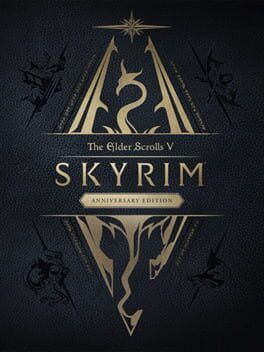
Bethesda has pushed out a rapid patch for The Elder Scrolls V: Skyrim Anniversary Edition on Switch 2 to tackle severe input latency. We break down what the update actually fixes, how the game performs post‑patch, and what this response signals about long‑term support for the troubled port.
Nintendo Switch 2’s version of The Elder Scrolls V: Skyrim Anniversary Edition did not get the heroic re‑entrance Bethesda was hoping for. At launch, Digital Foundry and early players highlighted alarming input latency that made basic combat, archery, and even simple camera movement feel sluggish and disconnected. For a game that relies on quick reactions in first‑person and tight timing on blocks, parries, and shouts, that problem cut straight to the core of how it plays.
Within days, Bethesda issued a new patch for the Switch 2 port, targeting the issue directly. Here is what the update does, how it changes the experience in practice, and what it tells us about Bethesda’s willingness to support the game after a rocky technical debut.
What the new Switch 2 patch actually fixes
Bethesda’s official notes for the latest Switch 2 update are short but very clear: the patch “fixes an issue that caused input latency for Skyrim players on Switch 2.” There are no extra mentions of visual tweaks, performance modes, or new features. This is a focused technical fix aimed at the single most criticized aspect of the port.
Before the patch, analyses and user reports lined up around a few key complaints. Button presses felt like they were traveling through molasses before resulting in an attack or spell. Camera turns responded slowly to stick movement, which made aiming bows, lining up stealth attacks, or simply looking around in combat frustrating. Digital Foundry’s breakdown compared the latency unfavorably to some cloud‑streamed games, which is about as harsh a verdict as a local port can get.
Post‑patch, community feedback paints a different, if not perfect, picture. Players on the NintendoSwitch2 subreddit and other communities consistently describe the latency as “significantly better” and “cut by about half.” Attacks now come out much closer to when you press the button, and the camera reacts more in sync with stick input, especially in tight indoor spaces and dungeons. Skyrim still has the slightly weighty feel it has always had, but that is very different from the sluggish delay the Switch 2 version launched with.
Crucially, the patch appears to address a specific bug or misconfiguration rather than just applying a superficial sensitivity tweak. The underlying delay between registered input and resulting action has been reduced, and that change is felt across melee, magic, archery, and general movement.
Retesting the game after the update
While Bethesda’s patch is laser‑focused on input latency, it also gives us a chance to revisit how Skyrim Anniversary Edition performs overall on Switch 2.
From player reports and follow‑up impressions, the core image quality and performance profile remain broadly the same as at launch. Skyrim on Switch 2 is still built around a 30 frames per second target. It does not add a dedicated 60 fps mode, which many fans hoped the more powerful hardware would finally enable. Instead, the patch seems to leave the renderer and performance budget largely intact.
In practice, this means that most of the heavier open‑world areas still sit at or near 30 fps, with occasional wobbles when weather, AI, and distant geometry pile up. In smaller interiors such as caves, forts, and houses, some players report that the frame rate can float above that target, reaching into the low 40s. That behavior suggests the game is not strictly locked to 30 fps but is also not aggressively tuned to hit a rock‑solid 60.
The absence of a higher frame rate mode is especially noticeable now that the input latency has been improved. Controls feel more responsive, so the remaining limitations are more about the inherent 30 fps motion and occasional dips instead of fundamental delays between your hands and what happens on screen. For players sensitive to fluid motion and snappy timing, the jump to 60 fps would still be transformative, but the patch at least makes the existing 30 fps experience much more playable.
Visually, nothing major appears to have changed with this update. Texture quality, lighting, and view distance are in line with the initial release, which already drew criticism for not taking fuller advantage of Switch 2’s power given Skyrim’s age and how well it now runs on other platforms. The result is a version that is substantially more comfortable to control than it was at launch, yet still conservative in its use of the hardware.
How the patch changes the feel of Skyrim on Switch 2
For a game as familiar as Skyrim, the feel of the controls is often what separates a nostalgic return from an immediate uninstall. Before the patch, the Switch 2 version could be described as technically functional but unpleasant. Timing a block as a bandit’s axe swings at your face or lining up a long‑range arrow shot was more about guessing early than reacting in the moment.
After the update, the entire rhythm of combat and exploration settles into something much closer to what veteran players expect.
In first‑person melee, chaining attacks and power swings feels less like you are fighting the controller. There is still a deliberate wind‑up to heavier blows, but that is part of Skyrim’s design rather than a symptom of lag. Blocking is now easier to time on reaction, which makes defensive builds feel more viable instead of purely predictive.
Archers and stealth players benefit in particular. The reduced delay between stick movement and camera rotation makes micro‑adjustments on targets far more manageable. Sneaking through a fort, drawing a bow, and tweaking your aim as enemies patrol becomes satisfying again instead of frustrating. Those small corrections you make just before releasing an arrow no longer feel like they are arriving a fraction of a second too late.
Even outside combat, the change is noticeable. Navigating menus, turning the camera to appreciate a vista, or simply correcting your path along a mountain trail all feel more natural. Skyrim was never meant to play like a precision shooter, but the Switch 2 version now avoids the disconnected, laggy sensation that undermined many players’ first impressions.
What this response says about Bethesda’s support
The real story around this patch is less about the technical detail and more about timing and intent. The Switch 2 port of Skyrim was heavily criticized within days of release, with Digital Foundry’s analysis quickly amplified across social media. Bethesda’s decision to acknowledge the problem publicly and push out a fix focused on input latency within a short window sends a couple of clear signals.
First, it shows that the company is listening when a major technical flaw threatens the basic playability of a release, particularly on a high‑profile platform like Switch 2. Rather than quietly rolling minor tweaks into a later update or ignoring the complaints, Bethesda framed this patch explicitly as a fix for the input issue. That level of direct communication is reassuring for players who might have felt burned by the launch state.
Second, the speed of the response suggests that the underlying cause of the latency was a relatively contained problem rather than a deep engine limitation. If the issue had been fundamental to how Skyrim’s code interacts with Switch 2 hardware, we would be less likely to see a rapid, targeted fix. Addressing the problem quickly reinforces the sense that it was a configuration or implementation error that slipped through testing.
That said, the patch also highlights the boundaries of Bethesda’s commitment to this port. Aside from the input fix, there is no sign yet of broader upgrades like a 60 fps performance mode, enhanced graphics presets, or Switch 2‑specific features. With the core control problem addressed, Skyrim on Switch 2 still sits as a safe, serviceable way to play the Anniversary Edition on Nintendo’s new hardware, but not a showcase for what the system can do.
Looking ahead, the key question is whether Bethesda views this update as a one‑and‑done corrective measure or the first step in a longer‑term polish phase. The community’s immediate wish list is straightforward: tighter performance, particularly a stable 60 fps mode, and perhaps additional visual options that better reflect the capabilities of Switch 2.
If further patches appear that address performance and add quality‑of‑life improvements, this rapid response to the input fiasco may be remembered as the moment Bethesda started to turn the port around. If not, the input lag fix will stand as a necessary repair for a flawed release rather than a sign of deeper investment.
Should you play Skyrim on Switch 2 now?
With the input latency cut down significantly, Skyrim Anniversary Edition on Switch 2 moves from “approach with caution” to “broadly safe recommendation,” especially for players who value portability and the ability to run through Tamriel on a handheld.
You should still calibrate your expectations. This is not a ground‑up remaster targeting 60 fps or a visual overhaul that stretches the hardware. It is, functionally, the Anniversary Edition many players know, running at around 30 fps in most conditions, with controls that finally behave as they should have at launch.
For returning fans who bounced off the early version due to laggy inputs, the new patch is a genuine turning point. For those hoping Switch 2 would host the definitive version of Skyrim, the story is more complicated. The game is in a much better state, but there is still room for Bethesda to go further.
In the end, the input latency fix is both a relief and a reminder. It shows how quickly a technical flaw can damage a classic’s reputation on new hardware, and how a direct, focused update can restore confidence just as fast. Now all eyes are on whether Bethesda will stop here or continue to refine one of its most enduring RPGs on Nintendo’s latest console.