
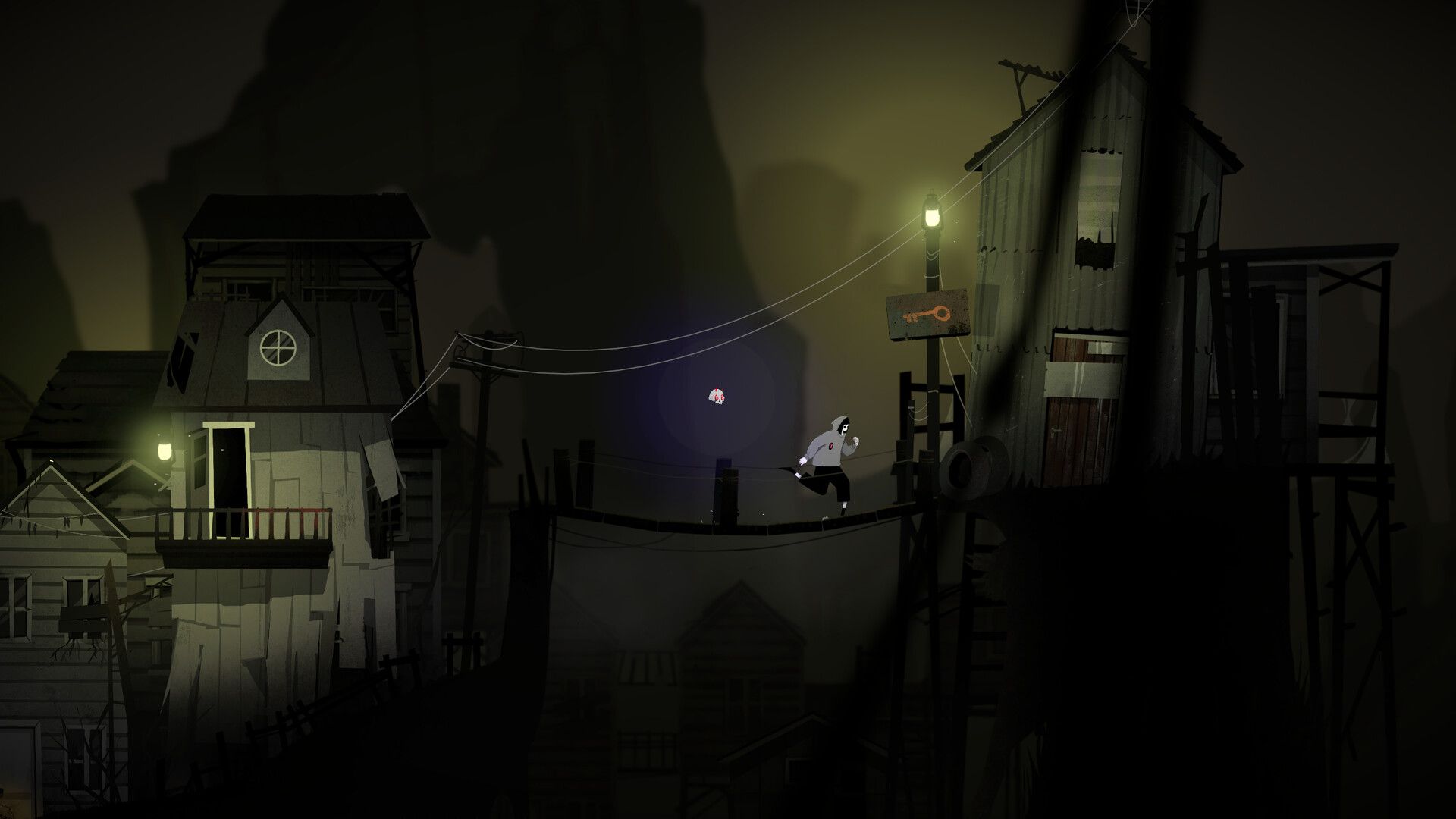

Former Assassin's Creed developer Jesse Malcolm Sweet is making Sisters of Solitude, a new horror mystery inspired by abandoned convent visits and built around camera-based ghost hunting.
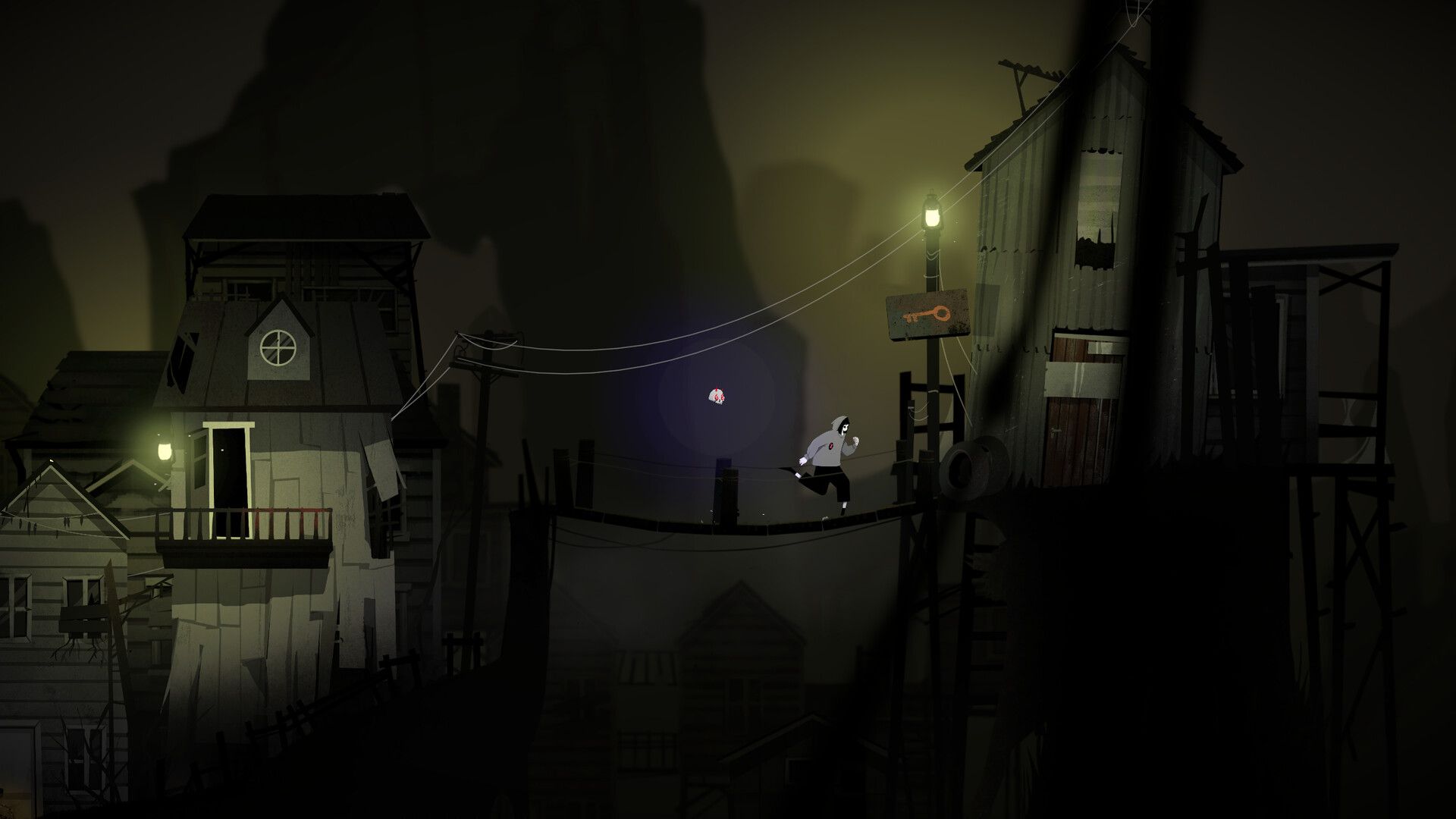
Image: gamesradar.com
A former Assassin's Creed developer is trading crowds for cloisters
Jesse Malcolm Sweet, whose credits cited by Rock Paper Shotgun include director work at Ubisoft Montreal on Assassin's Creed Unity and 1666: Amsterdam, is now making Sisters of Solitude, a new horror mystery game about investigating a haunted convent with a set of analog ghost-hunting tools. The sharpest hook is the instant camera: according to the Steam description quoted by Rock Paper Shotgun, it is used to capture “spectral imprints,” placing the act of looking, framing, and documenting at the center of the haunting rather than treating the camera as decoration.
The confirmed premise is compact and grim. Sisters of Solitude is a top-down 8-bit pixel art game set in a haunted convent, where players are trying to solve the murder of a Mother Superior. The ghosts of the four sisters who killed her remain on the grounds. The listed spaces include a desecrated chapel, greenhouse, cemetery, and old theatre, with investigation built around diaries, secret doors, gadgets, and possibly rituals tied to the souls trapped there.
That gives this ghost hunting horror game a different pressure point from the usual flashlight-and-hallway chase. Based on the announced details, the danger appears to come from piecing together a crime scene that is still spiritually active. For atmospheric narrative horror fans, the question is less whether the game has a monster in the dark and more how patient it will be about making you listen to the dark before you understand it.
The abandoned convent inspiration gives the mystery its shape
Rock Paper Shotgun reports that Sisters of Solitude grew out of a real-life film project involving visits to abandoned convents with a camera crew. That production background matters because convent horror lives and dies by space. A church, a chapel, a cemetery, and sleeping quarters already imply ritual, silence, discipline, guilt, and history before a ghost ever appears. In an abandoned convent horror game, the building itself can become the first witness and the first liar.
The source material does not confirm whether any particular real convent is recreated, and it would be a mistake to treat the game as documentary horror based on the information available. What is confirmed is inspiration: Sweet’s visits to abandoned convents fed into a murder mystery about a Mother Superior and the four sisters responsible for her death. That is enough to frame Sisters of Solitude as a horror mystery rooted in institutional memory rather than random paranormal activity.
The locations named on the Steam page, as quoted by Rock Paper Shotgun, suggest a structure built for backtracking and gradual understanding. A desecrated chapel points toward corrupted rites. A greenhouse gives horror an organic, overgrown corner. A cemetery is the obvious place for names, dates, and buried secrets. An old theatre is the strangest of the confirmed spaces, and therefore one of the most promising, because performance and confession sit close together in horror. If the game uses those rooms as evidence rather than scenery, the convent could become a readable crime scene.
The instant camera hook is stronger when paired with slower tools
The camera is the clean search-friendly hook, and it deserves the attention. An instant camera horror game immediately suggests limited vision, delayed confirmation, and the dread of waiting for an image to reveal what the naked eye missed. Rock Paper Shotgun says the device captures “spectral imprints,” which implies the camera is an investigative tool rather than a simple attack button. The wording leaves open how mechanical that capture is, whether it freezes, exposes, archives, or merely proves the presence of a spirit.
Sisters of Solitude is not relying on the camera alone. The ghost-hunting kit described by Rock Paper Shotgun includes an electromagnetic field detector used to discover hidden documents and vengeful spirits, plus a tape deck that records the silence of each room before playing it back at higher volume to reveal astral whispering. That combination is more interesting than a single magic lens because each tool asks the player to process a different kind of absence. The EMF detector reacts to what cannot be seen. The camera fixes traces into an image. The tape deck turns empty air into testimony.
For horror design, that toolset creates useful friction. A player may have to decide when to watch the screen, when to scan, when to record, and when to stop moving long enough to hear something awful. The source material does not specify resource limits, enemy behavior, fail states, or whether the tools consume film, batteries, or tape. Those are still unannounced mechanical questions. But even without those details, the announced kit points toward investigative tension rather than pure pursuit.
Sweet’s film background could matter as much as his Ubisoft credits
The “former Assassin's Creed developer” label is the obvious headline because Assassin's Creed Unity remains a recognizable credit, and Rock Paper Shotgun also cites Sweet’s earlier work as cinematic director on Deus Ex: Human Revolution and lead cinematic consultant on The Bureau: XCOM. Those credits establish experience with staging, camera language, and scene construction across large productions. They do not tell us that Sisters of Solitude will play like any of those games, and the announced 8-bit top-down presentation makes a direct comparison unhelpful.
The more relevant bridge may be Sweet’s work after Ubisoft. Rock Paper Shotgun reports that he spent four years as an artistic director at Kino Montreal, described as a movie-making non-profit. Paired with the abandoned convent film-project origin, that background helps explain why Sisters of Solitude appears so focused on recording devices. The camera and tape deck are not modern paranormal gadgets for flavor; they are filmmaking and documentation tools reframed as survival instruments.
That distinction is important for readers looking for atmospheric narrative horror. Pixel art horror has to work harder with composition, audio, interface, and pacing because it cannot lean on high-fidelity facial animation or photorealistic gore. A designer with cinematic experience may use framing and rhythm to compensate, but that is an expectation based on the available context, not a confirmed feature. What is confirmed is that Sisters of Solitude is being presented through analog investigation and haunted architecture, not through the open-city scale associated with Sweet’s Ubisoft credit.
The rituals are the biggest warning sign in the fiction
The Steam page, as quoted by Rock Paper Shotgun, says players may “have to dabble in the very rituals that trapped these souls in the first place.” In horror terms, that is the most dangerous sentence in the listing. It shifts the player from observer to participant. Finding a diary is safe enough. Opening a secret door is a risk. Repeating or completing a ritual that already ruined four souls is the kind of action that turns investigation into complicity.
The source material does not clarify how rituals work mechanically. They might be puzzle solutions, progression gates, moral choices, or set-piece triggers. Since no confirmed systems are provided, the safest reading is that rituals are part of the mystery structure rather than proof of a branching narrative or survival-crafting loop. Still, their presence matters because they can give the convent rules. Good ghost stories become more frightening when the player learns that the supernatural is not random. It has procedures, costs, and consequences.
From a survival-horror perspective, the unanswered questions are practical. Can spirits harm the player directly? Does using the EMF detector or camera draw attention? Are there safe rooms, limited saves, or audio cues that warn before an encounter? The current material confirms vengeful spirits and investigative gadgets, but not the level of survival pressure. Until Sweet or the Steam listing gives more detail, players should treat Sisters of Solitude as a horror mystery first and wait for confirmation before expecting a resource-starved survival game.
What is confirmed for release, platforms, and wishlisting
Rock Paper Shotgun reports that Sisters of Solitude is due out this year, and the game has a Steam page. Based on the provided sources, Steam is the only confirmed storefront reference. No console versions, price, demo, system requirements, publisher details, or exact release date are included in the material available for this article. That absence is worth noting because small horror games often live or die by discoverability, timing, and whether a demo lets players test the atmosphere before launch.
There is also a reveal trailer linked by Rock Paper Shotgun, but the supplied text does not include a detailed breakdown of its footage beyond the game’s top-down 8-bit pixel art presentation and haunted convent premise. Readers interested in the tone should watch that trailer and check the Steam page rather than assuming the game will lean toward action, chase horror, or visual-novel pacing. The confirmed design pillars are investigation, haunted spaces, analog tools, and a murder mystery involving the Mother Superior and the four sisters.
For now, Sisters of Solitude is best filed under new horror mystery game rather than guaranteed survival horror. If you come to horror for audio unease, environmental reading, and the slow pressure of using the wrong tool in the wrong room, its tape deck, EMF detector, and instant camera setup are the details to watch. If you need combat depth, enemy variety, or strict resource management, those elements remain unconfirmed. The game’s strongest promise is quieter and sharper: a convent full of dead testimony, and a player asked to prove what should have stayed unseen.