

Konami’s next Silent Hill Transmission is finally putting Silent Hill: Townfall in the spotlight. Here’s what we know about the Annapurna / Screen Burn project so far, what fans are hoping to see from the broadcast, and how Townfall can stand apart from Silent Hill 2 Remake and Silent Hill f.
Konami’s next Silent Hill Transmission is finally promising real details on Silent Hill: Townfall. After years of quiet since its 2022 reveal, the broadcast on February 12 is being positioned as Townfall’s coming‑out party, with Konami explicitly singling it out in recent financial reports and marketing materials.
With Silent Hill f already a critical and commercial win, and Silent Hill 2 Remake now the nostalgia pillar of the revival, Townfall occupies a very specific role in the series’ comeback: the strange, modern experiment. That is exactly where Annapurna Interactive and developer Screen Burn (formerly No Code) thrive.
Here is where Townfall stands going into the stream, what fans are expecting from the Transmission, and how this mysterious spin‑off can carve its own identity without retreading tired arguments about what Silent Hill “should” be.
What Silent Hill: Townfall Actually Is
Townfall was announced during the original Silent Hill Transmission in October 2022 as a brand‑new entry in the series, co‑produced by Konami and Annapurna Interactive and developed by Glasgow‑based Screen Burn. At the time the studio was still known as No Code, the team behind Stories Untold and Observation.
Those earlier projects matter. Stories Untold turned text adventures and analog hardware into a fragmented horror anthology, while Observation reframed a sci‑fi thriller from the perspective of a space station AI. Both games showed a fascination with unconventional viewpoints, unreliable interfaces and narrative puzzles. Townfall, by all accounts, is meant to bring that sensibility to Silent Hill.
Officially, Townfall is described as a standalone spin‑off positioned to kick off an anthology of Silent Hill stories from different creative voices. Instead of being a numbered sequel or a direct reboot, it is a self‑contained narrative that plays with the town’s mythology from the edges. Konami has repeatedly referred to it as a “brand‑new Silent Hill” rather than a remake or direct follow‑up.
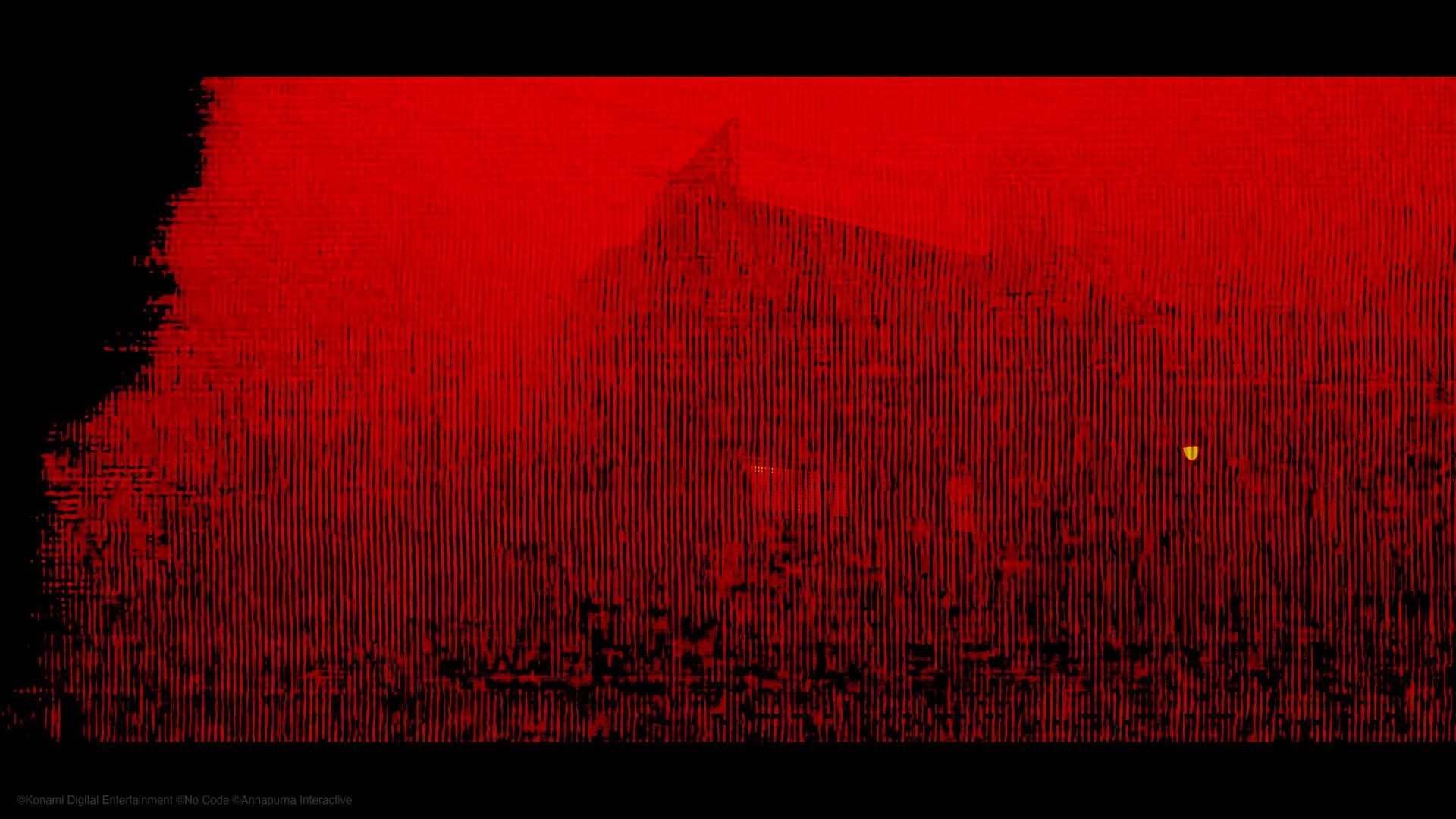
Despite being in development since around 2020, the public has seen very little of it. The announcement trailer mostly showed an old portable TV on a desolate shoreline as audio snippets suggested someone trapped in or judged by Silent Hill. Fans pulled a hidden phrase from the trailer’s spectrogram that read “whatever heart this town had has now stopped,” while social images from Annapurna and the studio teased Morse code spelling out “I don’t know how to leave.”
Since then, information has trickled out only via studio rebrand news, financial reports and scattered interviews. The basic picture going into the new Transmission is:
Townfall is a narrative‑driven horror spin‑off from the creators of Stories Untold and Observation, co‑produced with Annapurna, framed as the first step in a wider Silent Hill anthology initiative.
Platforms, Release Window And Scope
One of the biggest questions the Transmission is expected to answer is simple: what is Townfall launching on, and when?
So far Konami has not officially confirmed platforms. Various databases and retailer listings have pointed to current‑gen consoles and PC, and Annapurna’s catalogue sits comfortably on PlayStation, Xbox, Switch and PC, but nothing has been nailed down in public. Recent fiscal reports name Townfall as an upcoming title without committing to any release year.
Rumors have circulated about a March 2026 launch window, fuelled by a pulled retailer listing and forum chatter, but Konami has neither commented nor hinted. After several years of relative silence, fans are looking to this Transmission for a concrete timeline: even a release year or a “coming in 2026” card would go a long way toward easing concerns that the project might quietly slip away.
Scope is the other unanswered question. Screen Burn has repeatedly described the game as a “big project” for a relatively small team. That, plus the anthology positioning, suggests something more substantial than a short experimental vignette but perhaps not a huge, 30‑hour open world. Players are expecting a focused, replayable experience that leans into psychological tension and narrative twists rather than sheer size.
What Fans Want To See At The Transmission
After almost four years of ambiguity, the bar is clear: fans want to walk away from the broadcast finally understanding what Townfall is in practical terms. That breaks down into a few specific hopes.
First is a sense of structure. The Silent Hill name covers many styles at this point, from the wandering dread of Silent Hill 2 to the suffocating narrative of Silent Hill f. Townfall’s reveal teased confession‑like voice‑over, a coastal setting and analog screens, but gave no indication of how players will actually move through the story. Expectation has coalesced around a strongly authored, chapter‑based adventure that might echo Stories Untold’s bite‑sized episodes. Fans are speculating on whether Townfall will be broken into cases or vignettes set around one town, or whether the “Townfall” title hints at a broader collapse that affects multiple spaces.
Second is perspective and core gameplay. Silent Hill 2 Remake has the over‑the‑shoulder third‑person lane covered, and Silent Hill f has staked out a more traditional survival horror approach with combat and exploration. Townfall is free to do something stranger. The announcement teaser, built around a static handheld TV and off‑screen interrogation, has players expecting either a constrained first‑person viewpoint or an interface‑driven perspective that reflects Screen Burn’s earlier work. The dream reveal would be a gameplay slice that shows what the player actually does moment to moment: solving diegetic interface puzzles, switching between surveillance feeds, manipulating analog devices or slipping between realities through screens.
Third is clarity on the tone and setting. For a game called Townfall, the Transmission is an opportunity to show more than shoreline fog and glitching CRTs. Fans want to know which side of Silent Hill’s personality the game leans toward. Is this a slow, oppressive character study where the town’s punishment is intimate and personal, or a broader story about a community collapsing under something supernatural? Shots of streets, interiors, and at least one monster design would go a long way toward establishing its identity without spoiling the twist.
Finally, there is a desire for reassurance. Games from smaller teams with long silences between updates can generate anxiety, especially in a series with a history of cancellations and reboots. Konami surfacing Townfall as the headline item in its Transmission is already a positive signal. What fans hope to see is Screen Burn on camera talking about the project, explaining how long they have been at it, how the collaboration with Annapurna and Konami works and what stage of development they are currently in.
How Townfall Can Stand Apart From Silent Hill 2 Remake And Silent Hill f
Konami’s modern Silent Hill slate is deliberately diverse. Silent Hill 2 Remake leans into prestige nostalgia, aiming to present a definitive version of a classic. Silent Hill f established that entirely new stories in the universe can succeed, using a different era, location and cast to explore new kinds of horror. Townfall has to justify its existence alongside both without becoming yet another referendum on the “real” Silent Hill.
The best way forward is to embrace its nature as an anthology‑style spin‑off and double down on the attributes that Screen Burn and Annapurna bring to the table.
One obvious space to differentiate is in structure. Rather than following a single continuous trek through a cursed town, Townfall can segment the experience into distinct chapters or cases that gradually reveal how the town preys on different people. This would echo Stories Untold’s episodic format and let Silent Hill feel like a recurring phenomenon rather than a one‑off destination. Where Silent Hill 2 Remake offers a polished retelling and Silent Hill f crafts one long tragic arc, Townfall could be the series’ Twilight Zone, using the town to explore multiple doomed perspectives.
Mechanically, Townfall can push further away from traditional combat. With Silent Hill 2 Remake and f already covering melee weapons, firearms and classic survival resource management, there is little reason for Townfall to compete directly. Screen Burn’s past games turned user interfaces themselves into horror tools, and that is fertile ground for Silent Hill. Imagine a game where you never quite see the town from a standard third‑person view, instead piecing it together from cameras, tapes, radio feeds and distorted screens. This approach would not only distinguish the game moment to moment, it would also tie thematically into Silent Hill’s obsession with memory, guilt and perception.
Tone is another differentiator. Silent Hill 2 Remake is bound by an existing script and fan expectations around specific scenes and monsters. Silent Hill f has carved out an identity rooted in period horror and body horror spectacle. Townfall, freed from both, can pursue a quieter and more contemporary psychological dread. The teaser’s spectral message about the town’s heart having stopped hints at a narrative more concerned with emotional fallout and apathy than with baroque monstrosities. That leaves space for a smaller, more human‑scale cast, where everyday cruelty and failure matter as much as anything supernatural.
Crucially, Townfall does not need to re‑litigate series canon or revisit the same handful of past talking points. Instead of arguing about whether it resembles Team Silent’s work closely enough, the Transmission can frame Townfall as an experiment within an agreed‑upon framework: Silent Hill as a place that reflects and punishes inner turmoil. If the broadcast shows that Screen Burn understands that core and is bending it into a new form rather than discarding it, it will sidestep a lot of the reflexive backlash that often greets new interpretations.
The Stakes For The Transmission
After the runaway success of Silent Hill f and the polarizing but committed push behind Silent Hill 2 Remake, Townfall has a chance to prove that Silent Hill can be more than sequels and remakes. It represents Konami’s willingness to let outside creators handle the brand in idiosyncratic ways while still investing real budget and marketing muscle.
The upcoming Transmission does not need to explain every twist or map out every mechanic, but it does need to make a case for why Townfall matters. A substantial gameplay segment, a firm sense of structure and perspective, and at least a broad release window would reassure fans that the long silence has been spent on something special rather than on a project in trouble.
If Konami and Screen Burn can deliver that, Townfall could emerge from this broadcast as the most intriguing part of Silent Hill’s current revival: not the return to the past, not the breakout new saga, but the strange, modern story that reminds players how unpredictable this town can still be.