
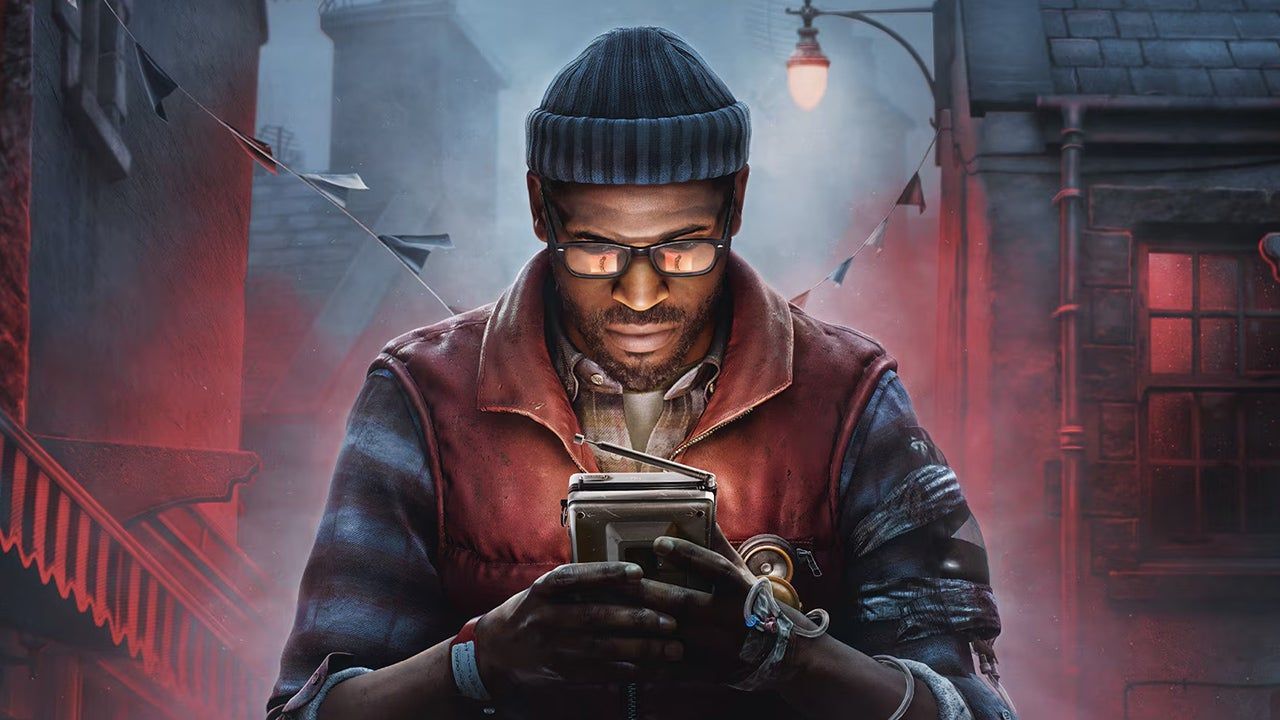

A newcomer-friendly Silent Hill series guide covering release order, story chronology, and the easiest modern way to start without getting lost in the fog.
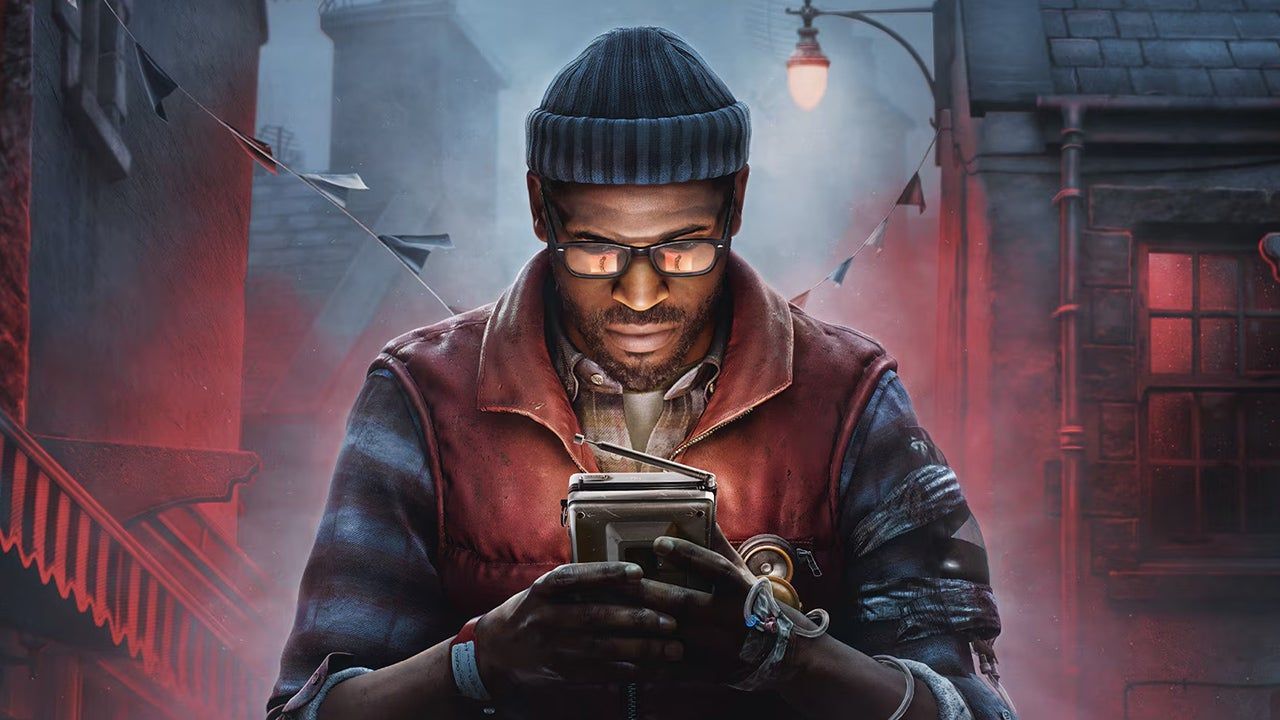
Image: in.ign.com
The clearest starting point is no longer the oldest game
The strongest practical fact for newcomers is also the source of the series’ current tension: Silent Hill has roughly 18 games attached to its name since 1999, according to IGN, but the easiest door into the fog is now Bloober Team’s Silent Hill 2 remake rather than the original PlayStation game that began it all.
IGN describes the remake as a faithful recreation with quality-of-life improvements for players who want a taste of the series on modern consoles. Loaded’s newcomer guide goes further, recommending Silent Hill 2 Remake as the best first stop because it delivers the original game’s standalone story with modern controls, reworked combat, and an over-the-shoulder camera. That matters for a survival horror series where friction is part of the identity, but access should not be the scariest enemy in the room.
The complication is that Silent Hill is not a single clean ladder. IGN notes that most entries tell relatively standalone stories, usually centered on one character being drawn into the town or its Otherworld. At the same time, the lore accumulates through returning characters, memos, posters, and environmental details. The result is a franchise that can be entered from multiple doors, but punishes anyone who assumes there is only one correct Silent Hill timeline.
Release order gives you the history, but it asks for patience
If you want the historical route, play the main Silent Hill games in release order. The main sequence listed by 7MMO’s mirror of IGN’s guide is Silent Hill, Silent Hill 2, Silent Hill 3, Silent Hill 4: The Room, Silent Hill: Origins, Silent Hill: Homecoming, Silent Hill: Downpour, Silent Hill f, and Silent Hill: Townfall.
That order is the best way to feel the series changing under your hands. IGN says the first four games were developed by Team Silent between 1999 and 2004, and describes them as the franchise’s “major canon.” After that, later Silent Hill games and spinoffs were handled by a variety of studios across Japan and North America. In practice, release order shows the shift from the early era’s claustrophobic design and abrasive mystery into later interpretations of what Silent Hill should be.
For a horror player, that historical route has value. The original games built dread through limited information, awkward spaces, unsettling audio, and the pressure of moving through places that feel hostile even before anything attacks. But the tradeoff is real. Loaded calls classic Silent Hill preservation “kind of a mess,” and notes that the original Silent Hill has never received the straightforward modern re-release one would expect for such an important horror game. IGN likewise suggests that, unless you still have a PS1 and an original copy, players looking for the 1999 game may end up searching for emulation guidance.
So release order is the purist route, not the easiest route. It is the best order to play Silent Hill if you want to watch the language of the series form in real time. It is a rough first recommendation if your main goal is to decide whether you like Silent Hill tonight.
Story chronology is useful, but Silent Hill resists a clean timeline
A Silent Hill chronological order sounds tidy until you step into the details. IGN warns that the timeline is rough, that the franchise contains contradictions, and that some of those contradictions are natural for games with multiple endings. The same guide says the first four games make up the major canon, while later games reference the original story, branch away from it, or create conflicts of their own.
The most concrete chronological placement in the provided source material is Silent Hill f. IGN states that the timeline of Silent Hill games starts with one of the most recent installments, Silent Hill f. Eneba’s guide describes Silent Hill f as a 2025 survival horror entry rooted in 1960s Japanese folklore and surreal body horror, though that description should be read as Eneba’s listing-style summary rather than a full canonical explanation from Konami. The important takeaway for a timeline-minded player is that newest release does not mean latest in story chronology.
After that, the safer reading is to follow connections rather than obsess over a complete date chart. Loaded points out that Silent Hill begins Harry Mason’s search for his daughter Cheryl, and that this story eventually continues in Silent Hill 3. IGN’s broader framing supports that approach: the lore builds through links, references, and background details, but each protagonist’s nightmare remains largely self-contained.
For newcomers, chronology is best saved for a second pass. Start with Silent Hill f only if the setting and modern horror style are your primary draw. If you are trying to understand why the series became survival horror scripture, chronology is less helpful than playing one strong, accessible entry and then tracing the older connections afterward.
The best order to play Silent Hill depends on what brought you here
For most new players, the practical GameLoop recommendation is Silent Hill 2 Remake first, then Silent Hill, Silent Hill 3, and Silent Hill 4: The Room if you want the core lineage. That closely matches Loaded’s “full Silent Hill experience” route, which starts with Silent Hill 2 Remake before going back to the 1999 original, Silent Hill 3, and Silent Hill 4. It also respects IGN’s framing of the first four games as the major canon while avoiding the access wall as your first encounter.
This order works because Silent Hill 2’s story stands on its own. You do not need to know the cult history, the town’s background, or every prior memo to understand James Sunderland’s descent. The remake gives you a current control scheme and camera, then lets you decide whether the series’ slower, oppressive rhythm is for you. If it is, going back to Silent Hill and Silent Hill 3 gives you the strongest connected arc in the provided sources, while Silent Hill 4 shows how Team Silent pushed beyond the town itself before later studios took over.
If you are mainly interested in modern Silent Hill, use Loaded’s shorter contemporary route: Silent Hill 2 Remake, Silent Hill f, then Silent Hill: Townfall. Loaded also says players can start with Townfall if that is the game that caught their attention, because its story stands on its own. That is the most accessible path for players who want current design standards, modern presentation, and less friction around availability.
If you are a horror historian, play release order. If you are a lore archivist, study chronology after you know the major stories. If you are simply trying to find out whether the fog is for you, begin with Silent Hill 2 Remake and let your nerves decide the next turn.
The broader series count includes games you do not need on day one
The phrase “Silent Hill games in order” can quickly balloon because different guides count different corners of the franchise. IGN says approximately 18 Silent Hill games have been released since the franchise debuted in 1999. That number includes much more than the nine main entries highlighted in the release-order list above.
IGN specifically notes that Konami published four Silent Hill mobile games: The Orphan trilogy and Silent Hill: The Escape. The same source says their connections to the rest of the franchise are murky, so it excludes them from its full timeline for simplicity. IGN also excludes Silent Hill: Play Novel, which reimagines the original game, and the interactive streaming series Silent Hill: Ascension.
That distinction is useful for newcomers because completionism can become a trap. Silent Hill’s dread lives in uncertainty, but your play order should not. The mobile titles, Play Novel, and Ascension may interest players who want every strange side corridor, yet they are not the best way to build a first understanding of the series’ survival pressure, puzzle logic, audio dread, and recurring Otherworld imagery.
Treat the broader count as archive material. Start with the core games, then decide whether you want the footnotes.
How to choose without getting lost in preservation fog
The most practical barrier is availability. IGN says the original Silent Hill is easiest to recommend for lore reasons, but harder to actually play unless you still have a PS1 and can obtain an original copy, with emulation guides becoming the likely path for many players. Loaded makes the same preservation point, saying the original has not received a straightforward modern re-release.
That is why the modern route is not a compromise for many players, it is the sensible route. Silent Hill 2 Remake gives newcomers a polished entry point without requiring old hardware. From there, the decision becomes about tolerance. If you can handle older control schemes, fixed-era design habits, and the patience demanded by classic survival horror, go back to Silent Hill and Silent Hill 3. If you want the series’ current direction, move from the remake to Silent Hill f and Townfall.
There are still unanswered questions that matter for anyone trying to build a perfect Silent Hill series guide. The provided sources do not give a fully verifiable, date-stamped order for every game in the franchise. They also show how guides differ in emphasis: IGN foregrounds canon, contradictions, and timeline placement; Loaded foregrounds newcomer accessibility; Eneba uses a broader marketplace-style format that lists recent entries and platform-style details. Those are useful signals, but they are not the same thing as a single official Konami timeline.
My advice as a horror player is simple: do not let the timeline drain the blood from the experience. Play Silent Hill 2 Remake first if you want the strongest modern introduction. Play release order if you want the bones of the genre laid bare. Use Silent Hill chronological order as a map only after you have heard the radio static for yourself.