
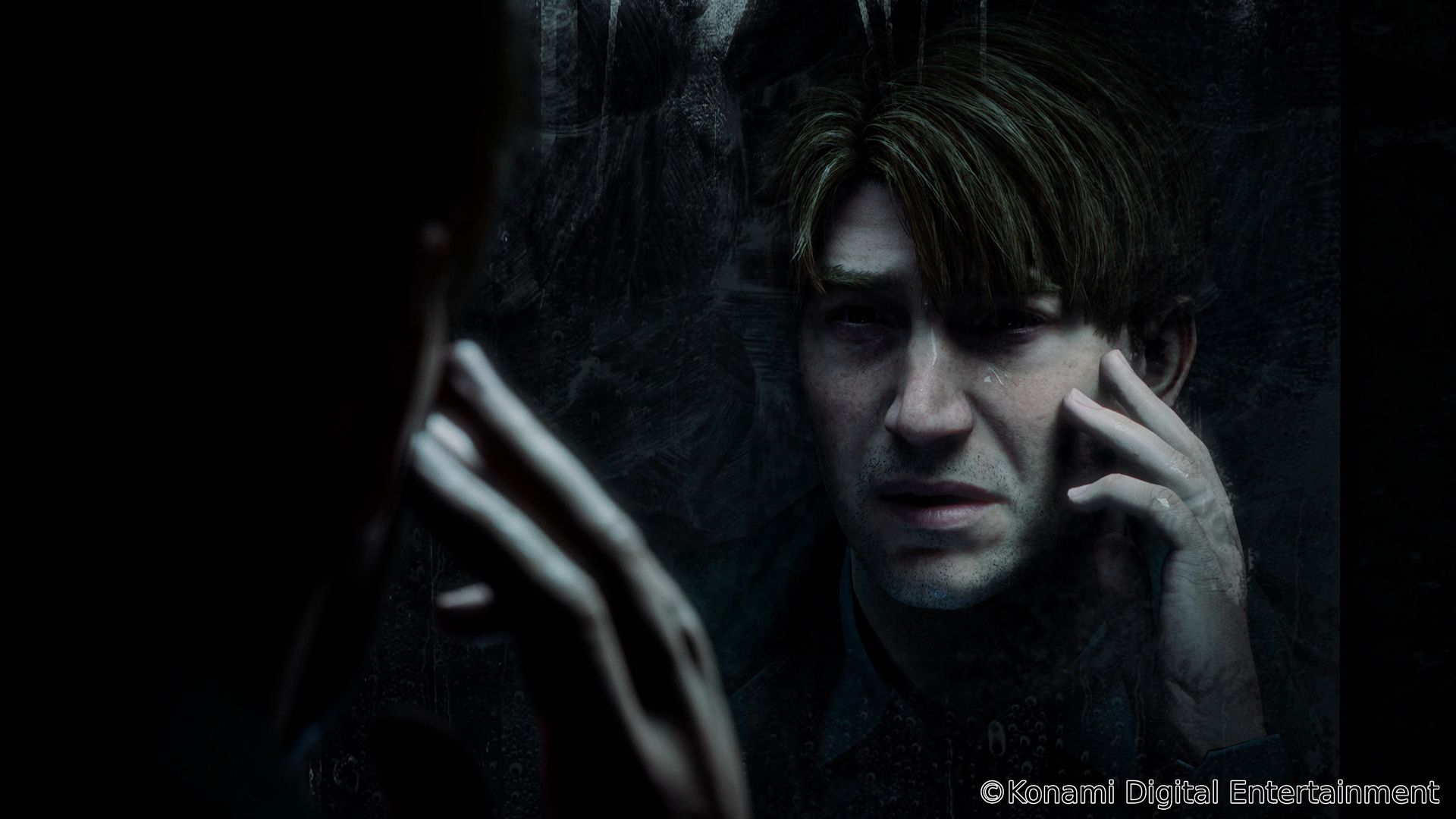

Konami wants Silent Hill annual releases, with producer Motoi Okamoto saying many unannounced projects are in development. Here is what is confirmed, what remains unknown, and where the horror pipeline could strain.
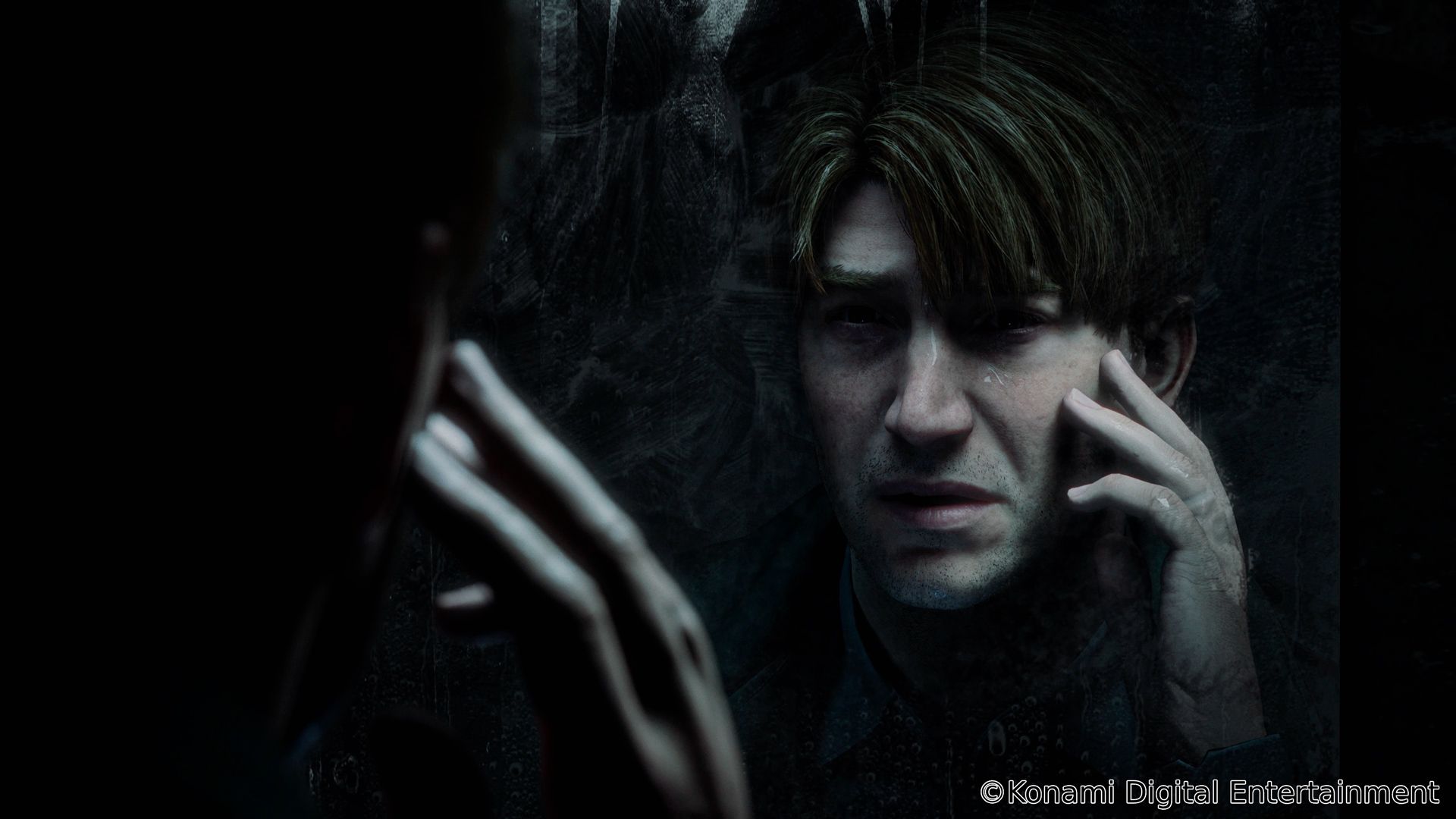
Image: gamesradar.com
Konami’s new Silent Hill target is one game every year
Konami is aiming to turn Silent Hill into an annual horror franchise. Speaking to GamesRadar+ at Gamescom 2026, Silent Hill franchise producer Motoi Okamoto said, “Our aim is to, hopefully, have an annual release of new games,” according to reports from VGC, IGN, PC Gamer, Noisy Pixel, and GamesRadar+ itself.
That is the strongest confirmed development: Silent Hill annual releases are now an stated goal from the producer overseeing the series. It is also where the fog thickens. Okamoto’s wording is careful. “Aim” and “hopefully” are not the same as a dated publishing schedule, and Konami has not announced a full slate of yearly titles. What it has confirmed through Okamoto is intent, momentum, and the existence of multiple projects still hidden from public view.
Okamoto told GamesRadar+ that “many projects” are “currently exploring and working” and remain unannounced. He did not name those projects, identify their developers, confirm platforms, or say whether the annual cadence would include remakes, original entries, smaller experimental releases, or projects of varying scale. For horror fans, the immediate tension is obvious: a series built on dread, restraint, psychological pressure, and careful sound design is being discussed in the language of a regular release pipeline.
Okamoto is already addressing the fear of franchise fatigue
Okamoto’s comments do not present annualization as a simple volume play. He tied the Konami Silent Hill new game every year ambition to variety, especially in setting and approach. In the same GamesRadar+ interview, he said that staying “laser-focused on the same American setting” would “exhaust [narrative] possibilities” and could “potentially cause fatigue for the playerbase,” as quoted by VGC and IGN.
That is the producer’s answer to one of the loudest quality concerns around any annual horror plan. Silent Hill’s power has often depended on the feeling that the place itself is hostile, intimate, and specific. If the same type of foggy town, the same rusted rooms, the same radio hiss, and the same guilt-shaped creature logic are repeated on a deadline, the scare can curdle into routine. Okamoto appears to be arguing that the solution is to keep the franchise mobile rather than trap every project in the most familiar geography.
The currently known direction supports that statement. IGN notes that Silent Hill f shifts the series to 1960s Japan, while VGC points to Silent Hill f and the upcoming Silent Hill: Townfall as examples of Japanese and Scottish settings being used deliberately. VGC’s Jordan Middler, after seeing a hands-off Townfall demo, wrote that the game’s Scottish representation felt novel and “authentically” Scottish. Konami also released nearly 20 minutes of new Silent Hill: Townfall gameplay earlier in August, according to VGC, showing puzzle solving and a first monster encounter.
Okamoto’s reassurance is not a promise that every entry will land. It is a signal that Konami knows the audience is watching for sameness, dilution, and assembly-line horror. His line about “positive kinds of surprises” is doing a lot of work: it asks fans to trust that the pipeline will create range instead of reducing Silent Hill to an annual brand stamp.
The confirmed pipeline is broad, but still mostly unseen
What is confirmed is narrower than the phrase “annual franchise” can make it sound. Okamoto says many unannounced Silent Hill projects are in development or exploration. Konami has recently shipped or promoted several modern Silent Hill projects, with IGN naming Silent Hill 2 Remake, Silent Hill f, and Silent Hill: Townfall as part of the series’ current second wind. Noisy Pixel also reports that Konami has been working with external developers on modern Silent Hill games rather than rebuilding the original Team Silent, citing Bloober Team’s work on Silent Hill 2 Remake as one example.
This distributed model is the practical way an annual cadence could happen. One studio cannot easily build a full psychological horror game every year without cutting scope, recycling systems, or grinding its staff. Multiple teams allow overlapping development, different settings, and different design priorities. One project might focus on remake craft, another on a new cultural setting, another on puzzle-led dread or a smaller experimental structure.
The risk is that horror is harder to standardize than many genres. Resource tension in a survival horror game is not only about ammunition or healing items. It is about pacing the player’s confidence, deciding when silence is scarier than a sting, making enemy encounters feel meaningful rather than noisy, and tuning exploration so every locked door feels intentional. If several teams are building Silent Hill at once, Konami’s central challenge becomes curation. The name on the box cannot do the work that level design, audio discipline, creature behavior, and restraint have to do minute by minute.
There is also a communications gap. Okamoto said Konami cannot go into specifics, and none of the supplied reports includes a named list of the “many” unannounced projects. Until those games are revealed, fans should treat the annual goal as a production strategy, not a consumer calendar. It tells us Konami wants Silent Hill present every year. It does not yet tell us what each year will contain.
Konami’s wider IP strategy explains the push
The Silent Hill future games push sits inside a broader Konami strategy. IGN cites Konami president Hideki Hayakawa’s July 23 interview with Nikkei Gaming, where Hayakawa said the company believes “rebooting” beloved properties is an effective way to make use of them. IGN notes that, in this context, “rebooting” appears to mean reinvigorating franchises with new games rather than strictly remaking old ones. Hayakawa specifically mentioned Silent Hill, Metal Gear, Momotaro Dentetsu, and Castlevania.
Hayakawa also said Konami’s philosophy is to release a game across multiple devices “as long as there are customers” for it, according to IGN’s account of the Nikkei Gaming interview. He described a structure that lets Konami push several IPs forward simultaneously rather than focusing intensely on only one.
That context matters because Silent Hill annual releases are less surprising when viewed as part of a company-wide rebuild of legacy brands. Konami is not treating Silent Hill as a one-off revival. It is trying to make the franchise a reliable pillar again, alongside other recognizable properties.
For fans, the business logic cuts both ways. A larger strategy can mean steadier funding, more developer partnerships, and fewer long silences between games. It can also mean the series is expected to behave like a repeatable product line. Horror audiences tend to notice when production needs start shaping the scares. A hallway that exists because the player needs to feel trapped is different from a hallway that exists because the asset set is efficient.
Townfall is the next practical test, though its date is reported inconsistently
Silent Hill: Townfall is the clearest near-term test of this plan in the supplied sources. VGC reports that Silent Hill: Townfall is set to launch on September 24, 2026. IGN, however, says the game is set to release on September 22. The sources conflict, and the supplied material does not include a Konami storefront listing or press release that resolves the discrepancy.
That date conflict is worth keeping visible rather than smoothing over. For readers planning time off, preorders, or platform choices, the exact launch day still needs confirmation from Konami or an official listing. The supplied sources also do not provide Townfall pricing, platform availability, PC requirements, performance targets, or upgrade details.
What we can say is that Townfall appears to represent the kind of geographic and tonal expansion Okamoto is describing. VGC’s hands-off impression emphasized its Scottish identity, and VGC also reported that Konami released nearly 20 minutes of gameplay showing puzzles and an initial monster encounter. Those are practical pressure points for a Silent Hill release: how a new setting changes the texture of dread, how puzzles pace vulnerability, and how the first creature contact defines the player’s relationship with threat.
If Konami wants a Silent Hill game every year, each entry will need a reason to exist beyond filling a slot. Townfall’s job, based on the reporting available, is to show that a Silent Hill project can move away from the familiar American frame while still feeling authored, oppressive, and specific.
The upside is variety; the danger is losing pressure
The optimistic read is that annual Silent Hill could become an anthology-style horror lane where different teams bring different fears to the same umbrella. Okamoto’s comments point toward that interpretation. He wants to avoid exhausting one setting and says Konami believes upcoming projects can offer “many types of games” and “positive kinds of surprises.” Silent Hill f’s 1960s Japan setting and Townfall’s Scottish direction are the early examples named in the reporting.
The practical horror read is more cautious. Silent Hill works when the player feels managed by the environment, not by a content roadmap. Survival pressure needs friction: scarce tools, unsettling navigation, audio that makes empty space feel occupied, enemies that express theme instead of merely blocking progress, and pauses long enough for dread to settle. Annual releases can threaten all of that if the schedule becomes the master.
There are several risks Konami will have to control. Different studios may interpret Silent Hill so differently that the series identity becomes thin. Yearly marketing may push every game to reveal too much too early, which is poison for psychological horror. A mixed pipeline of remakes, original stories, and possible smaller projects could confuse expectations if Konami does not clearly communicate scale. And if one weak release lands, the next game may have less time and less audience patience to rebuild trust.
None of those risks proves the plan will fail. They are the conditions Konami has created by saying the quiet part aloud. A regular Silent Hill pipeline can work only if each project protects the series’ central currency: unease. The fog can move to Japan, Scotland, or somewhere Konami has not announced yet. It still has to feel like it is closing in for a reason.
How horror fans should read the annual release goal
For now, the best way to read Konami’s plan is as an ambition backed by active development, not as a confirmed year-by-year schedule. Motoi Okamoto Silent Hill comments at Gamescom 2026 confirm the target of annual releases and the existence of many unannounced projects. They do not confirm titles, platforms, prices, release order, or the exact shape of the pipeline.
If you are a lapsed fan, the encouraging sign is that Konami appears aware of fatigue and is trying to broaden the series through different settings and developer perspectives. If you are wary, the sensible concern is quality control. Silent Hill’s scares are fragile. They depend on atmosphere, pacing, and negative space, the things most vulnerable to rushed production.
The next reveals should be judged less by how many Silent Hill logos appear and more by what each game is doing with fear. Watch for who is developing each project, whether Konami explains its scale clearly, how much gameplay is shown, and whether new settings are treated as lived-in sources of dread rather than cosmetic backdrops. Annual horror can be a feast or a factory line. Okamoto is promising variety. Konami now has to prove that the schedule will serve the nightmares, not flatten them.