

Sega’s new Sega Universe initiative puts OutRun, Streets of Rage, NiGHTS and more in the spotlight. Here’s which dormant series actually look primed for a playable return, and what that tells us about Sega’s retro strategy.
Sega Universe arrives with a bold tagline: “No Old, Stay Gold.” On paper it is a nostalgic microsite that lets you click through flashy timelines, unlock classic cutscenes and stream playlists from nine legacy series. In practice it looks like the clearest roadmap yet for which dormant Sega brands are being positioned for a comeback in playable form.
The Sega Universe hub currently highlights Fantasy Zone, OutRun, Streets of Rage, Rent a Hero, Guardian Heroes, NiGHTS into Dreams, Dynamite Deka, Sakura Wars and SGGG. Sega has not outright announced remasters or sequels, but the company doesn’t build a cross‑IP nostalgia portal for no reason. Reading between the lines, some of these picks are far better placed than others to make the jump from web shrine to new game.
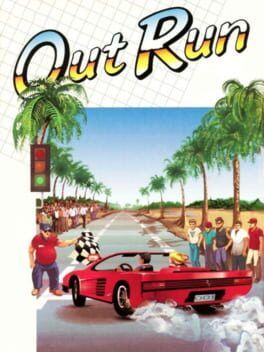
OutRun: The clearest candidate if Sega can solve the licenses
OutRun is arguably the most conspicuous name in Sega Universe. It is a global arcade icon, instantly readable in a single screenshot and a perfect fit for modern “short session” play. The biggest reason the series has been quiet is not lack of demand, it is licensing.
Modern OutRun reissues need car and music rights untangled. Earlier ports leaned on Ferrari branding and specific music tracks that are expensive or awkward to renegotiate. That alone explains why some of the best versions have disappeared from digital stores instead of being endlessly resold the way Sonic or Jet Set Radio are.
Dropping OutRun right on the front of Sega Universe suggests that Sega wants it back in circulation, not hidden as a legal headache. The arcade structure also dovetails with current trends. A new OutRun could easily land as:
A mid‑priced downloadable racer that leans into chill cruising instead of sim depth.
A remaster or compilation of the arcade originals that strips sensitive branding while preserving drifting feel and branching routes.
An “Evergreen” arcade cabinet tie‑in that can also ship as a console and PC download.
Crucially, modern hardware can deliver the bright, almost postcard‑like skies and buttery framerate that defined Yu Suzuki’s original vision in a way that flatters nostalgia without needing a blockbuster budget. Provided Sega is serious about doing the legal work, OutRun looks like one of the safest bets for a real return.
Streets of Rage: From proof of concept to potential live series
Streets of Rage is technically not dormant after 2020’s Streets of Rage 4, but its placement in Sega Universe still matters. It is the clearest example that Sega is willing to let trusted partners reinterpret a classic rather than only pushing strict remasters.
Streets of Rage 4 proved three things that matter for Sega Universe:
There is commercial room for faithful but modernized 2D action.
Third‑party studios can handle legacy brands respectfully if Sega sets guardrails.
A retro IP can become a sustainable mini‑series instead of a one‑off nostalgia play.
That makes Streets of Rage the template Sega can point to internally when pitching playable revivals of other brands. Within Sega Universe, it signals a future where the name is kept active through cycles of DLC, spin‑offs and follow‑ups in collaboration with external teams.
The next step could be either an expanded Streets of Rage 4‑style follow‑up or a side project that takes the cast into a different but adjacent genre such as a roguelite brawler or an online co‑op focused entry. Its strong brand recognition and recent success give it a better shot at continued support than some of the more obscure names on the Sega Universe site.
NiGHTS into Dreams: A cult favorite that fits modern platform trends
NiGHTS into Dreams is one of Sega’s most enigmatic picks. It is a Saturn cult classic that never quite translated into mainstream success, even when Sega revisited the concept on Wii. Yet its inclusion in Sega Universe hints at unfinished business.
NiGHTS’ strengths line up neatly with what has worked for other modern revivals. It has a vivid art direction that still looks striking with modest rendering; short, replay‑friendly stages built for chasing scores; and a tone that sits somewhere between dreamlike and slightly eerie rather than straight cartoon slapstick.
In a market that now embraces short, arcade‑style levels, score chasing and leaderboard loops, the NiGHTS formula makes more sense than it did in the late nineties. A new NiGHTS could work as a downloadable “AA” project that emphasizes fluid flight controls, level remixing and online competition rather than big cinema.
Sega has already shown a willingness to remaster NiGHTS for modern platforms, which lowers the risk for another step. As part of Sega Universe it seems likely that Sega will at least reintroduce the original in a wider, cleaner form, perhaps through a legacy collection or a Game Pass‑style anthology, as a test case for whether the character still has drawing power.
Sakura Wars: A cross‑media fit for Sega’s broader Universe goals
Sakura Wars sits at the intersection of Sega Universe’s gaming and non‑gaming ambitions. It is a series that has always blended visual novel drama, tactical action and stage performance, with a heavy emphasis on character relationships. That mix is tailor‑made for anime, merchandise and live events in a way most arcade‑driven Sega classics are not.
Sega already experimented with a soft reboot in 2019, which suggests the company still sees value in the IP, especially in Japan. As Sega Universe leans into cross‑media celebration, Sakura Wars feels poised to act as a pillar brand for that side of the strategy.
From a playable standpoint, the most likely near‑term move is a remaster bundle of the classic entries for modern platforms, potentially tied to a new anime or stage project. Longer term, Sakura Wars is the franchise that could most easily support a completely fresh game built from the ground up to match modern storytelling and social sim expectations.
Guardian Heroes and Dynamite Deka: Testing deeper cuts
Guardian Heroes and Dynamite Deka (known as Die Hard Arcade in the west) represent Sega Universe’s deeper cuts. These are not the obvious headliners like Sonic or Yakuza, yet they are beloved in certain circles and well suited to modern co‑op‑focused design.
Guardian Heroes’ branching paths and chaotic multi‑lane brawls feel surprisingly current in an era where online couch co‑op and replayable action have a loyal audience. Its combat systems can scale from casual button mashing to serious combo play, which is exactly what has kept other retro‑style brawlers alive on streaming platforms.
Dynamite Deka, meanwhile, is a template for fast, slightly absurd 3D beat em ups that could fill the same niche as modern arcade throwbacks like the recent Double Dragon and TMNT revivals. Both properties are structurally simple, which keeps budgets in check, but loud and chaotic enough to sell themselves in a single trailer.
If Sega wants to gauge how far beyond the obvious names Sega Universe can reach, small‑scale downloadable updates or remasters of these games are ideal experiments. Their presence on the site suggests Sega is at least willing to test that appetite.
Fantasy Zone, Rent a Hero and SGGG: Heritage showpieces more than headliners
Not every Sega Universe inclusion is a sign of a full revival. Fantasy Zone, Rent a Hero and SGGG read more like heritage showcases that deepen the bench rather than front‑line candidates.
Fantasy Zone’s pastel shooting and shop system are still charming, but it has mostly lived on as a component of collections and mini releases. That is likely its future here as well, perhaps in a wider arcade anthology that Sega Universe can cross‑promote.
Rent a Hero and SGGG are even more niche. They mean a great deal to long‑term Sega historians but have very little modern brand presence. Their inclusion signals that Sega Universe is as much about curating a museum wall as it is about planning new games. If they return in playable form it is more likely via translation‑complete ports or as part of themed retro bundles than as full new entries.
What Sega Universe signals about Sega’s retro IP strategy
Look across the full lineup and Sega Universe starts to look less like a random nostalgia site and more like a soft‑launch of a new retro IP strategy.
First, Sega is clearly segmenting its legacy catalog. Some series such as Sonic and Like a Dragon already have active pipelines and live mostly outside Sega Universe marketing. The brands highlighted here are the ones Sega wants to remind people of without committing to multi‑million‑unit expectations.
Second, the initiative leans heavily on low‑to‑mid budget potential. Most of these games can be profitably updated as digital releases, remasters or tightly scoped sequels. Sega can farm out development to specialist studios while keeping creative control and using Sega Universe as the central branding layer that ties everything together.
Third, Sega Universe fits snugly with the company’s “transmedia” push. The tagline “No Old, Stay Gold” applies to merch, animation, concerts and collaborations as much as to games. By unifying these series under one nostalgic banner, Sega can coordinate cross‑promotion: a new anime announcement can drive players to a legacy collection, while playlist drops and anniversary events can warm up audiences for future releases.
Finally, Sega Universe represents a shift from one‑off retro projects toward an ongoing legacy platform. Sonic’s anniversaries used to be the main calendar anchor. With Sega Universe, nearly every year can be framed around some milestone, whether it is a Saturn favorite hitting a big birthday or an arcade classic finally getting a proper modern port.
The likely path from website to controller
Sega has been careful not to overpromise. Right now Sega Universe is a stylish celebration, nothing more. But the specific mix of series it highlights tells a story. OutRun, Streets of Rage and NiGHTS sit at the front as the most viable candidates for new playable projects, backed by Sakura Wars as a cross‑media spearhead and supported by deeper cuts like Guardian Heroes and Dynamite Deka as experimental revivals.
If Sega follows the pattern set by Streets of Rage 4 and recent remasters of titles like Panzer Dragoon and Virtua Fighter, the next few years could see a rhythm of carefully chosen throwbacks released under the Sega Universe banner. The games will likely be modest in scope but big on personality, aimed at both returning fans and curious newcomers who first meet these characters through a playlist or an anniversary tweet.
Sega Universe may not have announced a single new title yet, but as a statement of intent it suggests that Sega is finally ready to treat its retro back catalog as a living ecosystem instead of a vault. The question is no longer whether classic Sega series can come back, but which one will be first to cross from that golden website into your current‑gen library.