
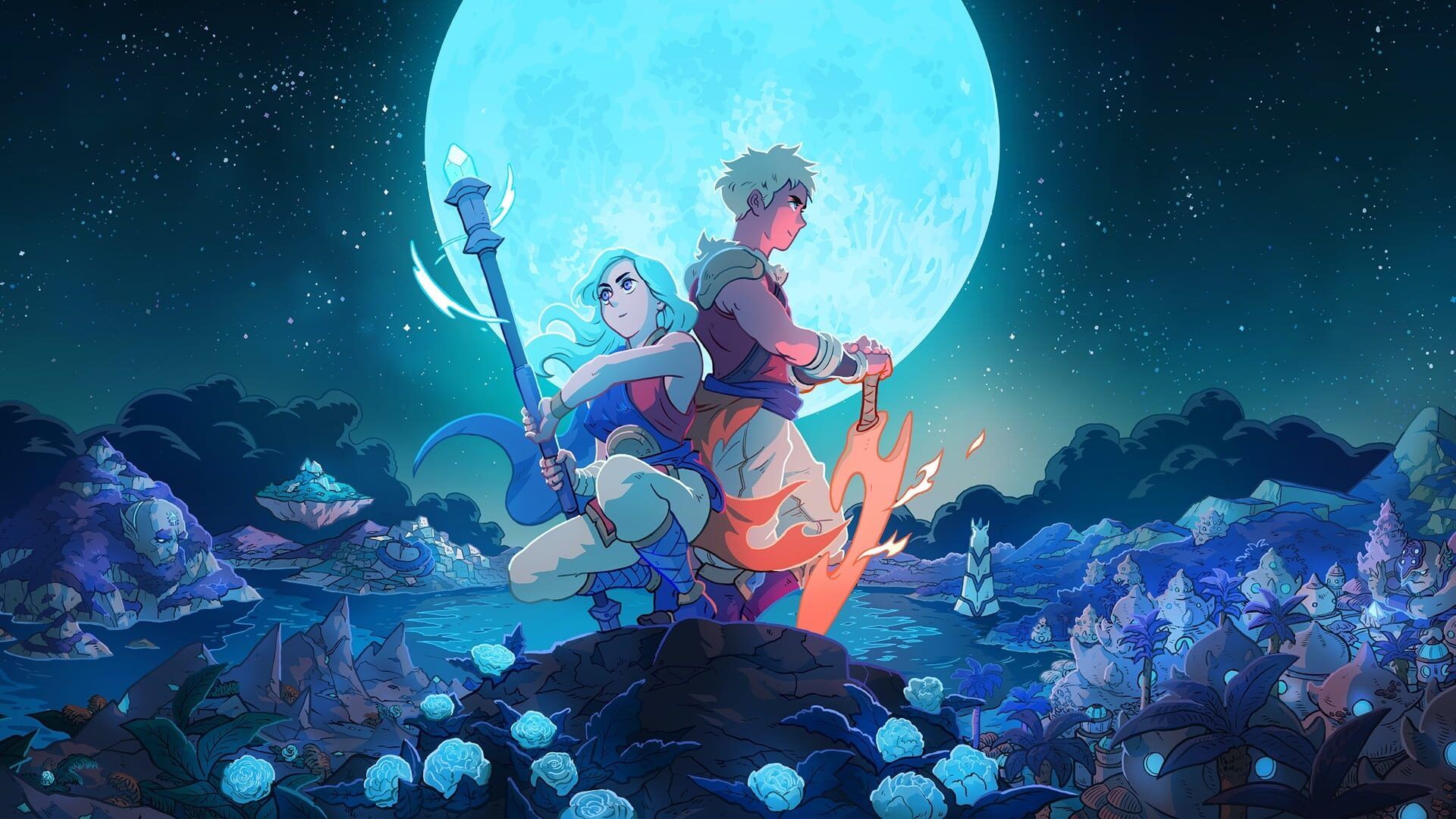

Sabotage Studio’s final Sea of Stars update, Sunset Edition, adds a new intro cinematic, rebalanced combat, and key art alongside a free Switch 2 upgrade with save-transfer support.
Sabotage Studio is sending Sea of Stars off with the kind of care you would expect from a team that clearly loves its own world. The newly announced Sunset Edition is billed as the final content update for the retro-styled RPG, and it arrives hand in hand with a native Switch 2 version and a clean path for existing players to bring their adventures forward.
Sunset Edition as a true finale
Sunset Edition is not a huge expansion in the way Throes of the Watchmaker was, but it is deliberately framed as a curtain call for Sea of Stars. After two years of substantial free support, Sabotage is using this update to polish the experience one last time, unify all of the post-launch work, and give new players a definitive starting point.
Calling it the final content update matters for expectations. It closes the door on any more surprise story arcs or character additions while signaling that what exists now is the complete, intended version of Sea of Stars. For a story-driven RPG this kind of finality is valuable. It tells late adopters that the dust has settled and that they can jump in without wondering if a more complete edition is coming later.
That sense of closure is also symbolic for Sabotage. The studio has spent back-to-back years enhancing the game, first with the Watchmaker expansion in 2025 and now with a more holistic pass focused on presentation and balance. Sunset Edition feels like a capstone for the project rather than a simple patch.
A new cinematic opening sets the tone
The most obviously flashy part of Sunset Edition is its new intro cinematic, which plays when you start a fresh file. Sea of Stars has always had strong pixel art and expressive in-engine moments, but it lacked a more traditional animated opener that could instantly communicate the tone and stakes of its world.
Adding that cinematic now does two things. For newcomers, it offers a stylish on-ramp, the sort of sequence you remember before you even take your first step on the overworld. For returning players, it reframes the opening hours with additional context and emotion. Even if you know Valere and Zale’s journey inside and out, seeing it introduced with bespoke animation can make a replay feel fresh.
It also speaks to how Sabotage thinks about the long tail of Sea of Stars. Rather than only focusing on endgame additions, the team is still willing to invest in the very first impression the game makes. That matters for word of mouth and for its long-term identity as a modern classic in the retro RPG space.
Combat balance gets a final pass
Beyond the new cinematic, Sunset Edition gives Sea of Stars’ combat and progression one more round of tuning. Both Normal and Hard difficulties are being rebalanced, and while Sabotage has not published a huge list of granular patch notes alongside the reveal, the intent is clear. The goal is a smoother curve, fewer sharp difficulty spikes and a Hard mode that feels demanding without being unfair.
Sea of Stars’ battle system leans on timing, resource management and combo setup. Small changes to enemy health values, damage output or mana costs can meaningfully shift the feel of that system. A final global pass suggests Sabotage has been watching play data and community feedback across platforms, then using Sunset Edition to bake in what they have learned.
For players who bounced off the original tuning, this update is a quiet invitation to return. Normal should feel more consistent start to finish, while Hard is better positioned as a true veteran test. For those playing for the first time in Sunset Edition, the experience they get will be the one Sabotage now considers definitive.
New key art and the value of presentation
Sunset Edition also comes with new key art by Bryce Kho, showing off the main cast in a fresh composition. On the surface this seems like a cosmetic touch, but in practice it plays a real role in how Sea of Stars is perceived on storefronts and libraries across its many platforms.
Updated key art that reflects the complete version of the game helps distinguish the Sunset Edition era from launch. It can catch the eye of people who may have skimmed past the old capsule art and now notice something new. It also visually ties together the base game, Throes of the Watchmaker and the final update into a single, cohesive identity.
Switch 2 version and what it means
Sunset Edition launches alongside a dedicated Nintendo Switch 2 version of Sea of Stars. For a mid-budget RPG, being ready on day one of a new Nintendo ecosystem is significant. It keeps the game in the conversation as early adopters look for titles that benefit from more capable hardware.
The Switch 2 version brings the expected advantages of a current platform. Better performance and load times help a turn-based RPG feel more immediate, and the sharper image quality flatters Sea of Stars’ already excellent pixel art and atmospheric lighting. When your aesthetic leans so heavily on visual mood, that extra clarity is not just a luxury.
By committing to a proper Switch 2 release rather than basic backward compatibility, Sabotage is also signaling that Sea of Stars is meant to be part of the platform’s formative library. It positions the game alongside big third party and first party offerings as something worth revisiting or discovering anew on stronger hardware.
Free upgrade and save-transfer support
Crucially, existing Switch owners are not being left behind. If you own Sea of Stars on the original Switch and it is linked to your Nintendo account, you can claim the Switch 2 version for free on the eShop. No paid upgrade, no separate purchase. That kind of policy removes friction and makes it far more likely that players will carry the game forward when they upgrade consoles.
Save-transfer support completes the picture. You can move your progress from the original Switch to Switch 2 by bringing your save data over to the new system, then importing it into the native Switch 2 version. It is a small logistical hoop, but the payoff is big. You keep your story, your party builds and your post-game exploration intact while benefiting from the performance and visuals of the newer hardware.
That matters not just on a practical level but on an emotional one. Long RPGs ask for dozens of hours of investment. Losing that progress when changing hardware is one of the major reasons players hesitate to upgrade. By making the path as painless as possible, Sabotage and Nintendo are acknowledging that your Sea of Stars journey is something worth protecting.
A complete package across platforms
With Sunset Edition live and the Switch 2 version in circulation, Sea of Stars now exists in what will likely be its final, most polished state across all platforms. PlayStation, Xbox, PC and mobile players benefit from the new cinematic and balance tweaks just as Nintendo owners do, and everyone gets the sense that this is the version Sabotage always wanted to ship.
In an industry where many games launch, receive a couple of patches and move on, Sea of Stars stands out for the consistency and generosity of its support cycle. The Watchmaker expansion and Sunset Edition collectively add narrative depth, mechanical refinement and presentational flair without splintering the audience behind paid add-ons.
For anyone who has been waiting for a clear signal that Sea of Stars is “done” before diving in, this is it. Sunset Edition closes the book on new content while opening the door to the next hardware generation in the most player-friendly way possible.
However and wherever you decide to start, you are now stepping into the definitive Sea of Stars.